Gretchen’s October Newsletter

Photo by Kadri Vu00f5sumu00e4e on Pexels.com

I really didn’t go Trick-or-Treating much as a kid in the traditional sense. That’s because the razor blade apple rumor had already hit my community. So instead, I got to Trick-or-Treat at my relatives’ houses.

I have memories of getting to pass out candy at my aunt’s house every year. But as the years went by, the Trick-or-Treaters were trickling in slower, until maybe one or two came by every year. In my own house, I have only had one come each year. I end up using the candy to give out at school as rewards for the students. 

Growing up Baptist, I was probably one of the guinea pigs for the launch of “Trunk-or-Treat.” If you’re unfamiliar with the concept, people gather in a parking lot (typically a church one) and pop open their trunks. They decorate them with fall and Halloween-lite decorations. Think scarecrows, pumpkins, and other decor you would find at Hobby Lobby and not Spirit Halloween. 

When I was in 5th grade, I got into an argument with my mother about a costume I wanted to wear to Trunk-Or-Treat: a bedazzled devil costume. Mom explained to me in every way possible why this was a terrible idea. I still didn’t get it. I just knew it was shiny and I looked cool. Eventually, I settled on being a spider countess from Party City, but I’m certain I told every attendee there what my true costume was supposed to be. 

Now that I can’t haunt the local churches or neighborhoods for candy, I try to find something fun for me to do. I am keeping an eye out for Halloween parties and local events…besides my own. I’ll be hosting several sessions at Quarry (no costume required, but it would be cooler if you did). See them below along with other news. 

Upcoming Classes and Events

Take a class or come see me at an event! Here’s what’s happening…

Richmond Zine Fest

FREE – October 11th, 2025. 10am to 4:30pm. Come out and see me at my table and see the events and workshops happening the day before! It is completely free to attend, but bring cash if you’d like to purchase goods from the vendors in attendance.

Quarry Workshops

person holding blue and white tread
Photo by Jasmin Schreiber on Unsplash

Quarry Workshops (In-Person)

In the Richmond, Virginia area? Keep an eye out on the Quarry website for my craftier offerings! Each class is $15 each. If you plan on attending multiple Quarry events, get a membership! Here’s what I’m offering in October…

October 4th, 4pm to 5:30pm – Astrology + the Arts – Libra: We’ll be learning all about the zodiac sign Libra, its archetypes and symbolism, and making a zen garden.

Sign Up Here

October 11th, 6pm to 7:30pm – Make a Spooky Terrarium: You’ve heard of regular terrariums. But those don’t have ghosts in them. Let’s make some that do. All supplies provided.

Sign Up Here

October 19th, 12:30pm to 2pm – Make Kid-Friendly, Spooky Zines: Want something else other than candy to pass out during Halloween? Or do you just really want to make a ghost zine? Come on out to this workshop where we’ll explore different zine types and get to make our own little spooky zines.

Sign Up Here

October 24th, 6pm to 7:30pm – Decorate Your Own Trick-Or-Treat Bag (KID FRIENDLY!): Haul your candy in style! We’ll be making our own canvas bags you can bring on your spooky adventures. Kids 5+ are able to join to stamp and draw with fabric paints on their bags.

Sign Up Here

Oracle Card Writing Class w/ Quail Bell

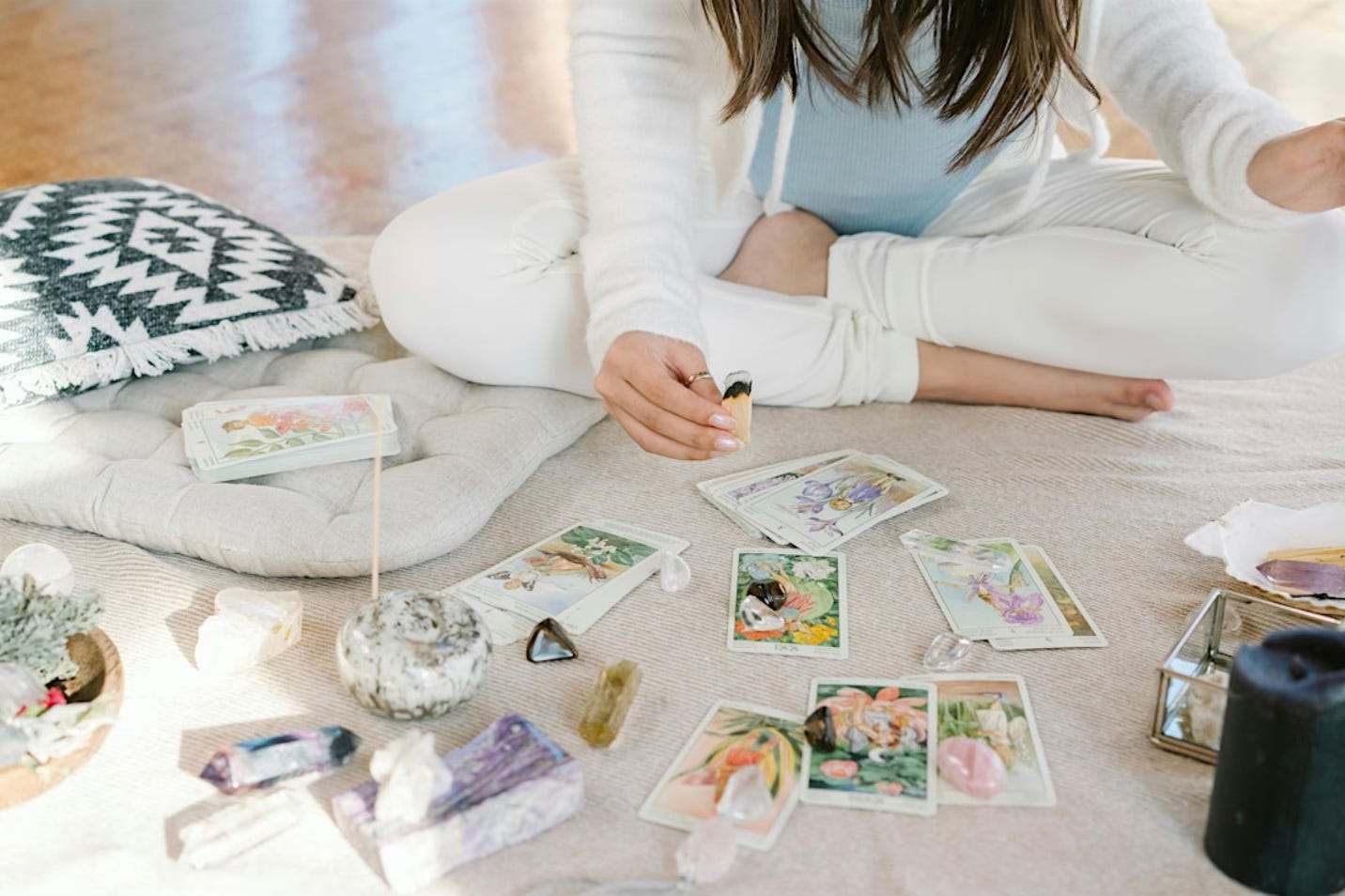
October 25th, 2025. 10am to 12pm. Tarot and oracle cards can inspire and guide our intuition and creativity. Whether you’re looking for a new way to journal your experiences and feelings, or just need a new approach to writing your next novel, there are SO many ways to use the cards to inspire your next project.

Join Quail Bell’s executive editor Gretchen Gales and learn new ways to generate writing of any genre with basic spreads and writing exercises you can use again and again. For writers and tarot/oracle lovers of any experience level!

Sign Up Here

Featured Poem: Fade Out

macro photography of orange and black bug perching on plant
Photo by Sue Thomas on Unsplash

I have such a hard time not focusing on the next poem I “should” be publishing or the next piece of writing I “should” be doing that I forget to appreciate old work. This poem will soon be republished in The Cognitive Review for their Grief Issue, so I wanted to reshare it from the original publisher. It is currently part of a collection of poems I haven’t sent out yet as a manuscript, but I hope to refine it soon and find a proper home for it. 

Anyhow, here’s “Fade Out” as it appears in Cathexis Northwest Press with my recording. 

Featured Blog Post: Books About OCD Written by Authors with OCD

white and brown cat print textile
Photo by Annie Spratt on Unsplash

I’m honestly not sure why now everyone has discovered this post (thank you, SEO, I guess?), but this is the first in a series I hope I complete sooner than later. I want to include anxiety, bipolar disorder, BPD, depression, and other lists people can access. Each list will include fiction, nonfiction, and poetry. Read the first on OCD below.

OCD Books

Self-Guided Writing Courses To Make You a Better Writer

There are plenty of reasons why self-guided writing courses work for so many writers. Busy, unpredictable schedules are just a fact of adult life. Some people prefer to learn in the comfort of their home or in a bustling cafe on a Sunday morning. Think of the Hermit, the introspective tarot figure that encourages you to look from within for the answers. No matter where you are in your writing journey, there are many options to supplement your education.

For me, self-guided writing courses provided me a space to learn even when I was bedridden from illness and bored or downright lazy. Visualize me in pajamas with a box of store brand tissues by my side, some tissues shoved up my nose, trying to write a poem in a tiny notebook, then you can believe that learning can be done under any circumstances.

Psst…if self-guided writing courses aren’t your jam or jelly, there’s plenty of other writing class options out there, including in-person, live Zoom, or interactive online courses with other participants. Check out ones that offer scholarships and discounts here.

Self-Guided Courses for Writers

LulLabies & Alarms

Elisabeth Blair offers writing classes and workshops that are self-paced through her website Lullabies & Alarms. Self-guided courses are offered on Wet Ink, the platform for creative writing courses. Right now, she is offering a course called “Our Liminal Minds: Writing from Our Own Galactic Outer Rims” that sounds…SO cool. For $100, you can go through the course at your own pace.

You must email her to register for the course.

Muse Writing & Creative Support

Run by Joanna Penn Cooper, Muse Writing & Creative Support offers several courses per season. On occasion, she’ll throw in a self-guided course through Wet Ink that writers can enjoy at their own pace. They often have great angles and themes, so there’s a direction beyond just your typical fiction or poetry workshop. I was a big fan of The Call: A Self-Guided Course on Creative Witness.

While it doesn’t seem like the site has any available right now, keep an eye out for more opportunities to join a self-guided writing course.

Poetry Barn

Poetry Barn has a barnyard full (yes, I had to) of poetry courses, including self-paced writing workshops. You can even filter the options for self-paced courses on the website. You can choose from topics such as Queer Poetics, 30 Poems in 30 Days, Journaling for Poets, and so much more. Click here to explore your options.

Be mindful when you type this into Google to not accidentally click on the Pottery Barn ads. You think I’m kidding. But I am not.

Hugo House

Hugo House offers a plethora of online and in-person courses for people around the world. Based in Seattle, this nonprofit has so many innovative courses to take and enjoy. With that said, there is only one asynchronous writing course, which is the Writer’s Welcome Kit. You can expect online workbooks, excel spreadsheets, and other resources to get started with your publishing journey.

DIY MFA

It is a truth universally acknowledged that MFAs can be competitive, expensive, time-consuming, heartbreaking, or all of the above. If you are fortunate enough to get into an MFA program that is fully-funded and have the time and means to pursue it, do it. But for many, these programs are difficult to get into or inaccessible for many people.

That’s where DIY MFA comes in. Both a book and a company/concept, DIY MFA runs on three main principles: write with focus, read with purpose, and build your community. While not a true “self-guided course,” the book is similar to this journey, including graduate-level techniques and skills you can use to boost your writing. The website has various articles and resources to focus on refining your craft. The Facebook group hosts events every Sunday evening for those who wish to attend, including curated sessions on certain poets, themes, and more.

If you decide to attend an MFA program later, you already have the skills and tools to upgrade your writing and be prepared for in-depth workshop time.

The Artist’s Way by Julia Cameron

Calling this a self-guided course is…bold. I know, I know. It’s more like an experience or a total mind flip. But when writing this blog, how can I NOT include the quintessential artist’s guide to transforming their art, writing, and way of being?

I’ve been seeing this book trending on TikTok even though it was originally published back in 1992. (Yes, that was over 30 years ago.) The verdict is in: it is one of the most influential books for your craft you could own. No matter your craft, any writer or artist can benefit from the gentle affirmations and exercises the book includes.

At the very least, you can take one of its most common and poignant practices: “Morning Pages.” I don’t know of any of my mentors who went a day without morning pages to spill their thoughts and ideas. Give it a try for a week and see how it changes your approach and practice.

Do you Loate Self-Guided Courses? Or JUst Looking for All of your options?

I get it. There are some times in my life when I need someone to be my accountabilibuddy. (Is that the spelling? It’s not a real word, but I’m still concerned.)

If you’re looking for a teacher in the Richmond, Virginia area or are cool with a virtual writing teacher to be your guide, I host many workshops with constructive critiques and personalized feedback from yours truly.

Head on over to my Events & Workshops page to see what I’m currently offering. If you don’t see anything you’d like, reach out to me and we can talk about 1:1 or private workshops for you or bigger groups.

Or if you just want to send me suggestions to add to this list, I’d love to hear from you.

Book Review: OCDaniel by Welsey King

Cover of OCDaniel. Blue background with numbers, some crossed out with the letters OCD vertically-placed, Daniel spelled out acrostic style. Author Wesley King's name at the bottom right. There is a Q-Tip with yellow scribbles representing hair in the middle of the O.

Daniel has OCD…except he doesn’t know. He just knows about the “zaps” and other sensations he feels that compel him to flicker the lights or count his steps. He also knows he doesn’t want to be seen as anything other than a normal kid, and attempts to distance himself from anything that could make him look weird. That means no matter what, he never tells his family or his friends what he’s really thinking. That’s one of several conflicts in Wesley King’s OCDaniel, a middle grade novel about a quirky kid with a bunch of normal kid problems and a big secret.

This isn’t unusual for someone with OCD. Despite showing OCD traits as a child, it wasn’t until my 20’s until I got a firm diagnosis of OCD, similar to King’s own story he includes at the end of the book. Many people with OCD hide their symptoms, which is major reason why this book is so special.

But don’t be fooled into thinking King’s book is only about OCD! Daniel’s story is interwoven with the pressures of being the water boy on his school’s football team, figuring out girls, and a mysterious letter he receives from a “Fellow Star Child”. It’s also funny and charming, the title cover’s Q-Tip a nod to how Daniel is described by his coach.

For those looking for an empathetic and adventurous middle grade novel, OCDaniel should be on your to-read list. More ahead, but beware: spoilers are in the next section!

Spoilers Ahead

Daniel’s perception of normal is challenged when he receives a note from a “Fellow Star Child”, who turns out to be the girl others at his school call “Psycho Sara”. Sara has anxiety and schizophrenia and barely talks, often seen alone or with a TA. But Sara recognizes that Daniel is different. Once Daniel figures out the author of the note is Sara, she asks him to help her find out why her father disappeared. Daniel ends up being one of the only people she talks to, recognizing his OCD early in the novel. She doesn’t tell him it’s OCD until much later, finally giving Daniel answers about his quirks.

Daniel also grapples with the relief of knowing that OCD is a condition shared by many and the stigma of being seen as “crazy”. His friendship with Sara challenges his perception of normalcy and the value of being himself. At the same time, Daniel juggles being temporarily promoted to kicker on the football team, his crush on Raya Singh (and maybe even Sara), writing his own book, and investigating the alleged murder of Sara’s father at the hands of her mother’s boyfriend.

His friendship with Sara helps him to embrace his true personality, someone who loves writing and talking about global politics. Daniel realizes he doesn’t need to “play it cool” anymore.

Daniel also helps Sara discover what her mother and her boyfriend have been hiding from her: her father died from an overdose, partially spurred on by his own mental illness that is similar to Sara’s.

Despite the heavy topics, King writes a very real depiction of two characters struggling with their own battles and embracing their strengths at once. The mystery and romance storylines also keeps readers engaged up until the very end, when Daniel embraces his new nickname: OCDaniel.

Further Reading

In 2020, a prequel about Sara called Sara and the Search for Normal was published.

OCDaniel is one of several books included in my “Books About OCD Written by Authors with OCD” blog post. Look there for more suggestions of what to read next.

Books About OCD Written by Authors with OCD

Photo by gdtography on Pexels.com

Obsessive-compulsive disorder (OCD) affects 1.2% of the U.S. population and around 2% globally. Many people associate OCD with being organized and excessive cleanliness. In reality, OCD is categorized by obsessive thoughts and behaviors that can manifest in many different ways. For me, I have on on-and-off again fear of death and compulsions related to avoiding death. (I talk a lot about this in my essay in The Ear.) For others, this could mean unplugging every device from an outlet before leaving the house to prevent it from burning down.

No matter what it looks like, listening to the experiences of people with OCD is essential for understanding just how difficult the condition can be. Below is a growing list of books written by authors with OCD about OCD. The latest version of this blog was updated in June of 2022.

Nonfiction and Memoir

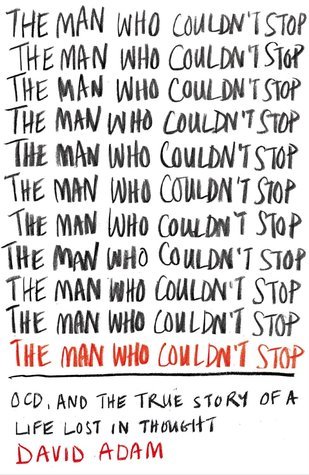
The MAn Who Couldn’t Stop by David Adam

Part memoir, part scientific investigation, Adam uses his own experiences with OCD (over 20 years of it) and stories from around the world, Adam bravely explores the darkest parts of our mind and questions what exactly defines mental illness.

Under My Bed and Other Essays by Jodi Keisner

While not explicitly about OCD, Keisner’s essay collection addresses the roots of women’s fears, starting with her own ritualistic behaviors. The essays are a combo of both literary and experimental pieces for a unique reading experience. You can preorder the paperback version now through the University of Nebraska Press website.

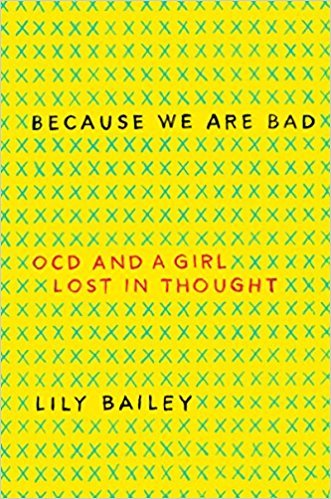
Because We Are Bad: OCD and a Girl Lost in Thought By Lily Bailey

A lyrical memoir on Bailey’s experiences throughout childhood with OCD. Convinced from a young age she was capable of murdering others with “incorrect” thoughts and excessive, repetitive routines, the memoir progresses into a story of persistence and recovery as Bailey ages. This book is often recommended for fans of Girl, Interrupted and Brain on Fire.

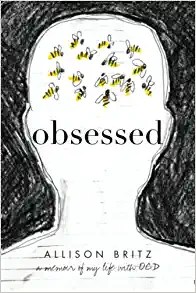
Obsessed: A Memoir of My Life with OCD by Allison Britz

This memoir is perfect for a young adult, Britz setting the stage during her sophomore year of high school. After a dream convinces her that she will get brain cancer, she does everything in her power to prevent it. Soon, her avoidant behaviors prevented her from stepping on cracks and touching her own personal belongings. This memoir tells an interesting perspective about how a girl who “has it all” had to fight to get her life back and save her future plans from disintegrating. The book acknowledges that finding help and healing are very possible.

Poetry

Living in the Brambles: A little book of poetry about my personal experiences with OCD, Depression, and Anxiety by Suzi French

This debut, multi-faceted collection from French includes both form poetry such as haiku and traditional rhyming poetry. A quarter of the sales go towards MIND and OCD UK.

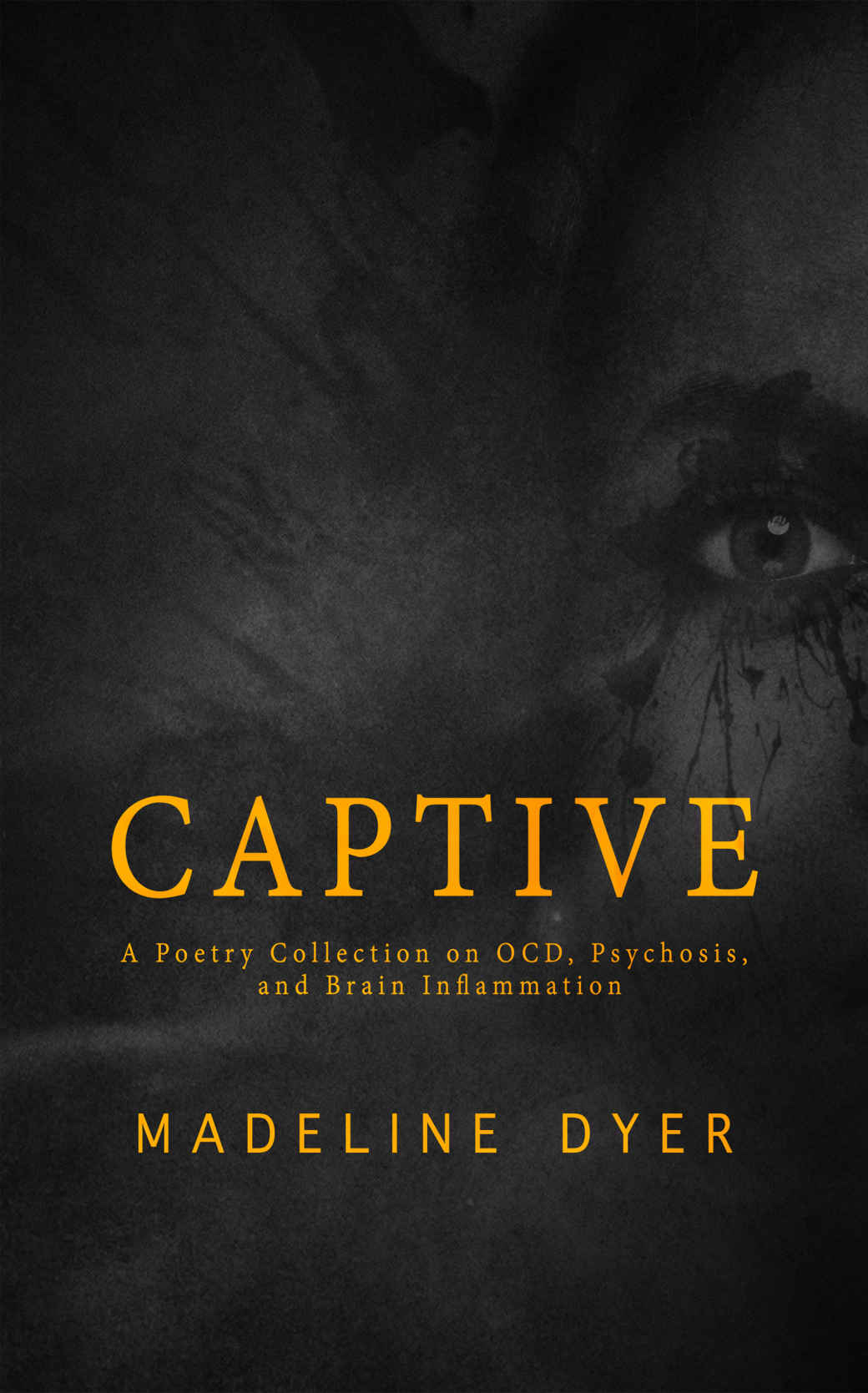
Captive: A Poetry Collection on OCD, Psychosis, and Brain Inflammation by Madeline Dyer

Dyer’s OCD was a result of Autoimmune Basal Ganglia Encephalitis, an unusual disease that causes brain inflammation. The collection details her time in therapy while experiencing both psychosis and OCD. While it is a collection of poetry, this can also count as a poetic memoir about Dyer’s experiences.

Fiction

Turtles All the Way Down by John Green

John Green is widely-known for his YA romance and adventure novels alongside his quirky YouTube and TikTok content. Turtles All the Way Down has received a lot of positive praise for its portrayal of OCD and has connected with many YA readers across the globe. Like all of Green’s books, the premise rides on a grand adventure and once-in-a-lifetime event. This time, it’s a billionaire and a grand cash prize. The novel is a perfect exploration of OCD as well as the nature of relationships when suffering from the condition.

OCDaniel by Wesley King

King wrote OCDaniel based off of his own childhood experiences with OCD. As a result, the book is an empathetic look at a 13 year-old keeping his OCD a secret for as long as he can. With the help of a new friend, he becomes more confident in himself. Though OCD symptoms can manifest as early as 7 or 8, King notes in his interview with the CBC that he received pushback about talking about OCD with younger and middle grade children for being “too early” for them to know about mental illness. I don’t know about you, but being told I shouldn’t read something makes me want to read it more. As someone with OCD, I can assure you I would have benefitted a lot more from knowing about OCD earlier than later. So make sure you pick up this book for yourself and any middle graders in your life.

Anthologies

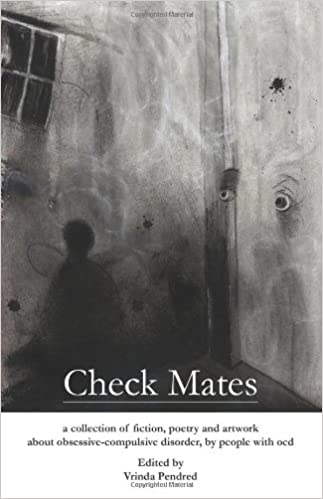
Check Mates: A Collection of Fiction, Poetry, and Artwork About Obsessive-Compulsive Disorder by PEople with OCD

A true representation of OCD means acknowledging that no one case is the same. This anthology features creatives with OCD and their work about OCD. There are a variety of pieces throughout the book to explore the condition, so if you’re looking for broad representation, this collection may be the answer.

Young Adult Books with Mentally Ill Characters (Without Being All About Their Mental Illness)

Photo by Hu1ea3i Nguyu1ec5n on Pexels.com

Representation of all kinds of humans is important. In books, there’s been a push to have more characters with accurate representations of mental illness. All too often, books will rely on stereotypes or depict a character with mental illnesses without doing proper research. Stay faaaaaar, far away from those.

On the other hand, there are also plenty of books that make a character’s mental illness the entire focus. While there is nothing inherently wrong with accurate, well-written books with mentally ill characters, sometimes you just want an interesting plot without mental illness being the primary focus. Or you’re curious to see how a mental illness looks when characters have managed it with coping skills or medication. Either way, it’s worth seeing more mental illness representation in new and accurate ways.

Where are the YA Characters with Mental Illnesses That Don’t Dominate the Plot?

Young adult books are often guilty of this. It isn’t wrong or awful to have books that focus on mental illness. Actually, it’s helping push more productive discussions of mental illness into mainstream conversation.

But teens also need books that have characters managing their conditions without it dominating the entire plot.

Thankfully, more books are coming onto shelves and filling that demand. It’s hard to know the accurate number of books with the combination of mainstream and self-published options available, but finding books featuring teens with mental illnesses is getting easier every day. Here are some of my own suggestions when it comes to young adult books mentally ill characters…without mental illness being the focal point of the story.

Truly Devious by Maureen Johnson

This suspenseful, dark academia-themed murder mystery book is perfect for readers looking for a main character with anxiety and panic attacks, but still manages to stay on the case until the very end (warning, it’s a cliffhanger).

Without spoilers, Stevie’s passion for true crime takes front and center in this book, but does not ignore her anxiety. Her experience is very relatable and shows that her entire life isn’t dominated by her panic attacks while being realistic about her struggle. The rest of the book is primarily focused on the mystery at hand and developing the characters…AKA, potential murderers.

Horrid by Katrina Leno

Several characters in the book struggle with anger issues, including the main character Jane. It’s also implied that Jane has pica, or a compulsion to chew or eat objects that are not food. Her target tends to be pages of books or flowers.

Though her anger and grief over a family member’s death make up a large part of the novel, her illnesses are more there as a side note as opposed to the primary focus. The novel leaves room for questions about how much Jane’s conditions may have affected her actions.

Like Truly Devious, we’re left on a cliffhanger-like ending, but there doesn’t appear to be any plans for a sequel. It seems more like an ambiguous ending where the reader decides what really contributes to the events.

Six of Crows by Leigh Bardugo

The Six of Crows Duology reinvented what fantasy could look like. Bardugo has received well-deserved praise for her fantasy series featuring six astounding characters. Besides tackling ableism from learning disabilities and physical disabilities, Bardugo also masterfully weaves in characters with implied PTSD.

As Alaina Leary wrote in Brooklyn Magazine, “Bardugo writes in multiple perspectives, which does a great deal of justice to her characters’ lived experiences.” This gives all of the characters much more nuance and room to be their whole selves, emphasizing that while disabilities (mental or physical) are a big part of their lives, there is still much more to be seen in their character and the story itself.

Want to see more books like this added to the list?

Keep an eye out for updates and feel free to recommend any books you’ve loved that fit the criteria!

5 Book Series for Kids Who Hate Reading

Photo by Kindel Media on Pexels.com

Throughout several decades, the world has seen a decline in the number of children reading for fun. As a matter of fact, the amount of kids reading for pleasure has fallen to their lowest since the 1980’s. In a survey conducted by the National Assessment of Educational Progress, children ages 9 to 13 were asked about their reading habits, particularly if they enjoyed reading for fun. 42 percent of 9 year-olds said they read for fun almost daily, but this is down from 53 percent in 2012. For 13 year-olds, only 17 percent reported they read for fun daily, a sharp decline from the 27 percent in 2012. While the study for 17 year-olds was unable to be conducted due to the pandemic, it isn’t hard to imagine that many kids’ reading habits have declined over the years.

The pandemic has made everyone’s concentration and mental health decline, the decline we are seeing in children is particularly worrisome. Besides the “learning-gap” caused by the abnormal years, kids are missing out on developing essential skills. Reading fiction alone has been proven to enhance a person’s social cognition abilities, or the part of the brain responsible for interpreting feelings.

Finding books for your kids to read can be tough, but not impossible. It normally comes down to having your kids pick their own books and finding suggestions of popular book series many kids easily relate to. The books in my list are a great starting place, as many of these series were books that interest my own students or even some of my closest friends growing up.

Diary of A Wimpy Kid Series by Jeff Kinney

Despite being so close to adulthood, so many of my reluctant high school readers will fight over who gets which Wimpy Kid book next. The series, with over 250 million books sold to kids of all ages, follows Greg Heffley and his hilarious misadventures as an every day kid. The series is targeted at ages 8 through 12, but anyone can relate to the struggles relating to family, friends, and changes happening during those dreaded middle school years.

The books also include illustrations to demonstrate Greg’s various predicaments. Never underestimate the power of a few black-and-white illustrations to get students interested in the material.

If your child or students have already gone through all of the Wimpy Kid books, Kinney has also written a spin-off series with Rowley Jefferson, one of Greg’s friends. The Awesome Friendly Kid series is still humorous, but with Rowley’s more wholesome, if not naïve, perspective.

The first three books have been turned into movies, so make it an incentive to watch the movie after reading the books to see all of the differences.

Big Nate by Lincoln Pierce

If your kids or students have already gone through every Wimpy Kid book, Big Nate has another middle school protagonist just trying to survive his “tweenage” years. These books are mostly made up of comic strips of Nate’s adventures at school, so it is more of a comics collection than a traditional book. Even so, these books helped inspire the Wimpy Kid books, so you know they’re doing something right.

There are now books with words and pictures in the style of the Wimpy Kid books for even more adventures with Nate and more content for kids to enjoy.

PErcy Jackson and the Olympians by Rick Riordan

I have proof of this series turning non-readers into devoted bibliophiles. My best friend of 15 years first got into reading when our history teacher read us The Lightning Thief as we learned about Ancient Greece. Without that opportunity, her love of reading may have blossomed much later, maybe never at all. Thanks to the series, I’ve maintained an interest in Greek mythology and use it to write poetry, create fun lesson plans, and to simply read even more interpretations of various ancient stories.

The Percy Jackson and the Olympians series by Rick Riordan uses modern interpretations of the Greek gods, exciting lore, and relatable kid characters allows for readers’ imaginations to flourish. They are also action-packed, leaving no room for boredom. The six books won’t seem like enough to the first-time reader.

Riordan has since expanded the series into an empire of books: The Trials of Apollo, The Kane Chronicles, The Heroes of Olympus, Magnus Chase, and Daughters of the Deep. Riordan has also invited other authors to write on their own history’s folklore and mythology with his imprint Rick Riordan Presents. From Aru Shah to Tristan Strong, kids can meet even more characters from other cultures while still getting the exceptional action of the Percy Jackson series.

I SURVIVED Series by Lauren Tarshis

My classroom library doesn’t have I SURVIVED books for that long. That’s because students are always clamoring to get them. This series tells short, gripping tales of kids who survive historical events. Some of the books are also available as graphic novels and translated editions to reach even more kids. A few of the historical events included in the series include:

  • 9/11
  • The Eruption of Mount Saint Helens
  • The Galveston Hurricane
  • The American Revolution
  • The Nazi Invasion
  • The Joplin Tornado

Pair these books in a history unit or suggest them to readers who enjoy short and fast reads.

Ranger in Time by Kate Messner

While Ranger in Time is marketed for kids ages 6 to 10, kids of any age can appreciate a time-traveling golden retriever. Like the I SURVIVED series, Ranger in Time centers on a unique time period to educate readers about what it was like living during those events…with a dog. Ranger is a relatable character to kids who are struggling because he is constantly getting distracted during his training. But his distractions normally turn into action-packed accidents. When chatting with Messner at NCTE 2019, she mentioned how even high schoolers gravitate towards the books, making these a good pick for picky readers. Besides, who can say no to a cute dog?

Looking for More Ideas?

If none of these books are a match, fret not. Finding the right book can take time. I’ve posted this list on other blog posts, but they’re still just as helpful and relevant here.

ELEMENTARY AGE BOOK BLOGS

CeCeLibrarian’s Book Blog

This Picture Book Life

Blazer Tales

MIDDLE GRADE BOOK BLOGS

Teachers Who Read

Books in the Middle

Books. Iced Lattes. Blessed.

YOUNG ADULT BOOK BLOGS

The YA Shelf

Girl + Book

INCLUSIVE KIDS BOOKS BLOGS

We Need Diverse Books

Colours of Us

Disability in Kit Lit (no longer posting new blogs, but still a great resource!)

Multicultural Children’s Book Day

Writer’s Craft: My Favorite Literary Journal Pieces I Read in January 2022

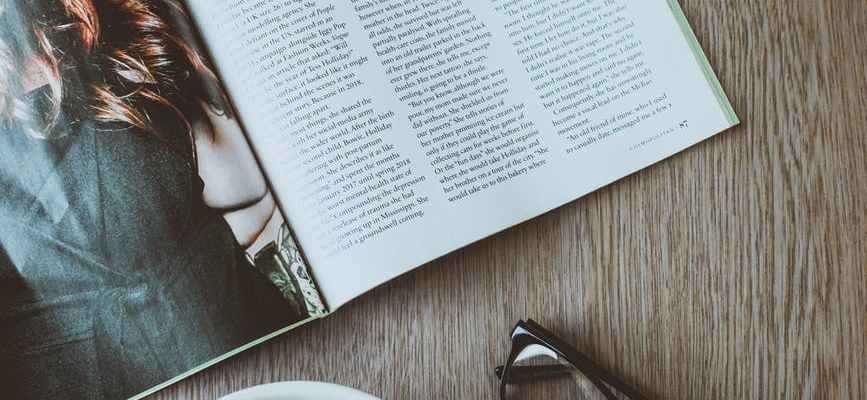
Magazine spread with a femme-presenting person on the left page and text on the right. A pair of black glasses is to the right and a bowl of fresh fruit is to the left.
Photo by Lisa Fotios on Pexels.com

It’s not only a good idea to write a lot in order to improve your writing. Being a writer means you have to be a reader, too. So I push myself to read as many books and literary magazines that I feasibly can, even if it ends up only being once piece from an issue or collection.

Keep in mind that just because I read it in 2022 doesn’t mean it was published in 2022 or even in a recent issue. My TBR pile knows no publication dates.

“Virgo Moon” by Kelsey Day (The Athena Review)

“Virgo Moon” caught my attention mostly because I’m a Virgo sun. Egotistical? It’s possible.

In 2021, I began writing poems based off of my daily horoscopes and other readings as a way to generate new poems. In this poem, I particularly admired how Day mixes algae and soap in a mason jar in the second stanza. To me, a lot of this reflects how those with Virgo placements have a need for cleanliness and order, while also honoring Appalachian culture. The power of the last stanza confronts the complicated nature of feeling lonely, even when surrounded by those who adore and love you. For these reasons and more, a PDF file of this poem will be saved in my “Poems I Like” folder in Google Drive.

“False Ancestry” by Yvanna Vien Tica (perhappened mag)

This one spoke to me as a teacher and how we need to always consider every student’s experience in the classroom. “False Ancestry” focuses on a family tree project in third grade, purposefully destroyed and forgotten by the speaker. Except that their history follows them, even at home where they are supposed to feel safe and comforted. The rest of the poem tells how the World War II unit textbook transformed into origami and hours spent in speech therapy and the pressure to assimilate to a culture not of their own. I think this poem would be great paired alongside Ocean Vuong’s On Earth We’re Briefly Gorgeous.

“Noisetalgia” by MArta špoljar (Lavender Bones Magazine, Issue One)

My little OCD heart connected heavily with this poem. “Noisetalgia” is not explicitly about compulsions or OCD tendencies, but the imagery reminds me so much of the pure panic you feel over things being out of place. In this case, it is a heartbreaking reminder of how trying to forget pain can morph into routines that demolish your sense of self-worth. Into the Google Drive folder you go, little poem.

Have suggestions of what I can read next? I’m always willing to check out new magazines and projects, so don’t be shy.

Books: 5 Middle Grade and YA Fiction Books About Grief

Photo by Pixabay on Pexels.com

Grief is messy, complicated, and hardly a predictable cycle. For children and teens, navigating grief and growing up at the same time is a unique grief experience. Sure, there are nonfiction books about grief to guide kids and teens, but sometimes storytelling is better medicine.

No one story of grief is the same, which is why it is important to have options when finding books on grief. I have five middle grade and young adult book picks as a good starting place.

Keep an eye out for more choices to appear in the future. This list is updated as of 1/25/2022.

The Grief Keeper by Alexandra Villasante

A speculative fiction young adult book that juggles internalized racism, grief, and traumatic experiences through a unique immigration narrative. The protagonist Marisol attempts to seek asylum in the U.S. for both her and her sister following the death of her brother. In exchange for safety, Marisol agrees to become a “grief keeper”, an experimental program where the trauma of others is transferred into another person’s body. Marisol also meets Rey, an American girl who grapples with the loss of her twin brother. For more about this pick, check out my book review from 2021.

Clap When You Land by Elizabeth Acevedo

Brought together by their father’s death in a plane crash, two sisters must not only grapple with the grief of losing a father, but the realization that their father lived a double life. Feelings of grief and betrayal mash together for a stunning YA novel. For more about this pick, I wrote a review of it back in August of 2021.

The Truth as Told by Mason Buttle by Leslie Connor

I had the opportunity to listen to this book as an audiobook, and wow. What a wonderful book from the perspective of a boy juggling grief over a friend’s death, a learning disability, bullying, and judgement from his community over a suspected murder. Mason is a charming, positive character, and while the book doesn’t shy away from his hardships, the story demonstrates how grief is a day-by-day process with small improvements and setbacks along the way.

The Thing About Jellyfish by Ali Benjamin

A unique blend of realistic fiction and science writing, The Thing About Jellyfish explores the difficulty of facing death by sudden and tragic circumstances…especially when a last interaction with the person didn’t go positively. Suzy grapples with how her friend, a strong swimmer, could have accidently drowned. Convinced her friend was the victim of a jellyfish sting, she sets out to find the real answers, even when there doesn’t seem to be any.

Long Way Down by Jason Reynolds

After the death of his older brother Shawn, Will is determined to make things right according to “The Rules”. But he spends the next 60 seconds in an elevator with the ghosts of his past, rethinking everything he ever knew.

[SPOILERS AHEAD]

What I adore about this book, as well as so many of my students, is the exploration of generational trauma. The majority of Will’s family members were killed by gun violence, therefore Will feels obligated to keep the tradition of “The Rules”, or killing the person believed to have murdered your loved one. Deciding to avenge Shawn’s death, Will gets on the elevator in his apartment complex. One by one, floor by floor, his dead family and friends reveal secrets to him in the confines of the elevator.

Further Resources on Navigating Child and Teen Grief

Here are some helpful websites and resources for grief tools. Check your local community for grief counseling groups or individualized therapy.

Experiencing Grief as a Teenager | VITAS Healthcare

Helping a Teenager Deal with Grief | What’s Your Grief?

Death and Grief (for Teens) | Nemours KidsHealth

Teaching Tools: 5 Writing Prompts for Macbeth

Photo by Pixabay on Pexels.com

Macbeth is one of my favorite plays to teach. It’s short, but impactful. If you have an interest in teaching your students Macbeth, there are many ways to adapt your curriculum to fit their needs. Many adaptations of the play exist, including the classic text, graphic novels, movies, and more.

First thing’s first: you should have an arsenal of good, open-ended writing prompts for daily journals or short writing assignments. These are especially useful for classes who need immediate “real life” connections to the text. They’re also ready in a pinch if you have to find last-minute materials. I’ve assembled some basic, yet aesthetically-pleasing journal prompts to help guide written discussion. You may be surprised at what students come up with, so don’t forget to let them share their ideas out loud.

Caution: For prompts and other content relating to fortunes and spells, be conscious of your school community’s attitudes towards topics involving the occult. Some families are uncomfortable with anything related to these topics, so have an alternative assignment ready. For journals, tell them they can write on a different topic.