Self-Guided Writing Courses To Make You a Better Writer

There are plenty of reasons why self-guided writing courses work for so many writers. Busy, unpredictable schedules are just a fact of adult life. Some people prefer to learn in the comfort of their home or in a bustling cafe on a Sunday morning. Think of the Hermit, the introspective tarot figure that encourages you to look from within for the answers. No matter where you are in your writing journey, there are many options to supplement your education.

For me, self-guided writing courses provided me a space to learn even when I was bedridden from illness and bored or downright lazy. Visualize me in pajamas with a box of store brand tissues by my side, some tissues shoved up my nose, trying to write a poem in a tiny notebook, then you can believe that learning can be done under any circumstances.

Psst…if self-guided writing courses aren’t your jam or jelly, there’s plenty of other writing class options out there, including in-person, live Zoom, or interactive online courses with other participants. Check out ones that offer scholarships and discounts here.

Self-Guided Courses for Writers

LulLabies & Alarms

Elisabeth Blair offers writing classes and workshops that are self-paced through her website Lullabies & Alarms. Self-guided courses are offered on Wet Ink, the platform for creative writing courses. Right now, she is offering a course called “Our Liminal Minds: Writing from Our Own Galactic Outer Rims” that sounds…SO cool. For $100, you can go through the course at your own pace.

You must email her to register for the course.

Muse Writing & Creative Support

Run by Joanna Penn Cooper, Muse Writing & Creative Support offers several courses per season. On occasion, she’ll throw in a self-guided course through Wet Ink that writers can enjoy at their own pace. They often have great angles and themes, so there’s a direction beyond just your typical fiction or poetry workshop. I was a big fan of The Call: A Self-Guided Course on Creative Witness.

While it doesn’t seem like the site has any available right now, keep an eye out for more opportunities to join a self-guided writing course.

Poetry Barn

Poetry Barn has a barnyard full (yes, I had to) of poetry courses, including self-paced writing workshops. You can even filter the options for self-paced courses on the website. You can choose from topics such as Queer Poetics, 30 Poems in 30 Days, Journaling for Poets, and so much more. Click here to explore your options.

Be mindful when you type this into Google to not accidentally click on the Pottery Barn ads. You think I’m kidding. But I am not.

Hugo House

Hugo House offers a plethora of online and in-person courses for people around the world. Based in Seattle, this nonprofit has so many innovative courses to take and enjoy. With that said, there is only one asynchronous writing course, which is the Writer’s Welcome Kit. You can expect online workbooks, excel spreadsheets, and other resources to get started with your publishing journey.

DIY MFA

It is a truth universally acknowledged that MFAs can be competitive, expensive, time-consuming, heartbreaking, or all of the above. If you are fortunate enough to get into an MFA program that is fully-funded and have the time and means to pursue it, do it. But for many, these programs are difficult to get into or inaccessible for many people.

That’s where DIY MFA comes in. Both a book and a company/concept, DIY MFA runs on three main principles: write with focus, read with purpose, and build your community. While not a true “self-guided course,” the book is similar to this journey, including graduate-level techniques and skills you can use to boost your writing. The website has various articles and resources to focus on refining your craft. The Facebook group hosts events every Sunday evening for those who wish to attend, including curated sessions on certain poets, themes, and more.

If you decide to attend an MFA program later, you already have the skills and tools to upgrade your writing and be prepared for in-depth workshop time.

The Artist’s Way by Julia Cameron

Calling this a self-guided course is…bold. I know, I know. It’s more like an experience or a total mind flip. But when writing this blog, how can I NOT include the quintessential artist’s guide to transforming their art, writing, and way of being?

I’ve been seeing this book trending on TikTok even though it was originally published back in 1992. (Yes, that was over 30 years ago.) The verdict is in: it is one of the most influential books for your craft you could own. No matter your craft, any writer or artist can benefit from the gentle affirmations and exercises the book includes.

At the very least, you can take one of its most common and poignant practices: “Morning Pages.” I don’t know of any of my mentors who went a day without morning pages to spill their thoughts and ideas. Give it a try for a week and see how it changes your approach and practice.

Do you Loate Self-Guided Courses? Or JUst Looking for All of your options?

I get it. There are some times in my life when I need someone to be my accountabilibuddy. (Is that the spelling? It’s not a real word, but I’m still concerned.)

If you’re looking for a teacher in the Richmond, Virginia area or are cool with a virtual writing teacher to be your guide, I host many workshops with constructive critiques and personalized feedback from yours truly.

Head on over to my Events & Workshops page to see what I’m currently offering. If you don’t see anything you’d like, reach out to me and we can talk about 1:1 or private workshops for you or bigger groups.

Or if you just want to send me suggestions to add to this list, I’d love to hear from you.

Interview: Mae Thorn, Author and Archivist

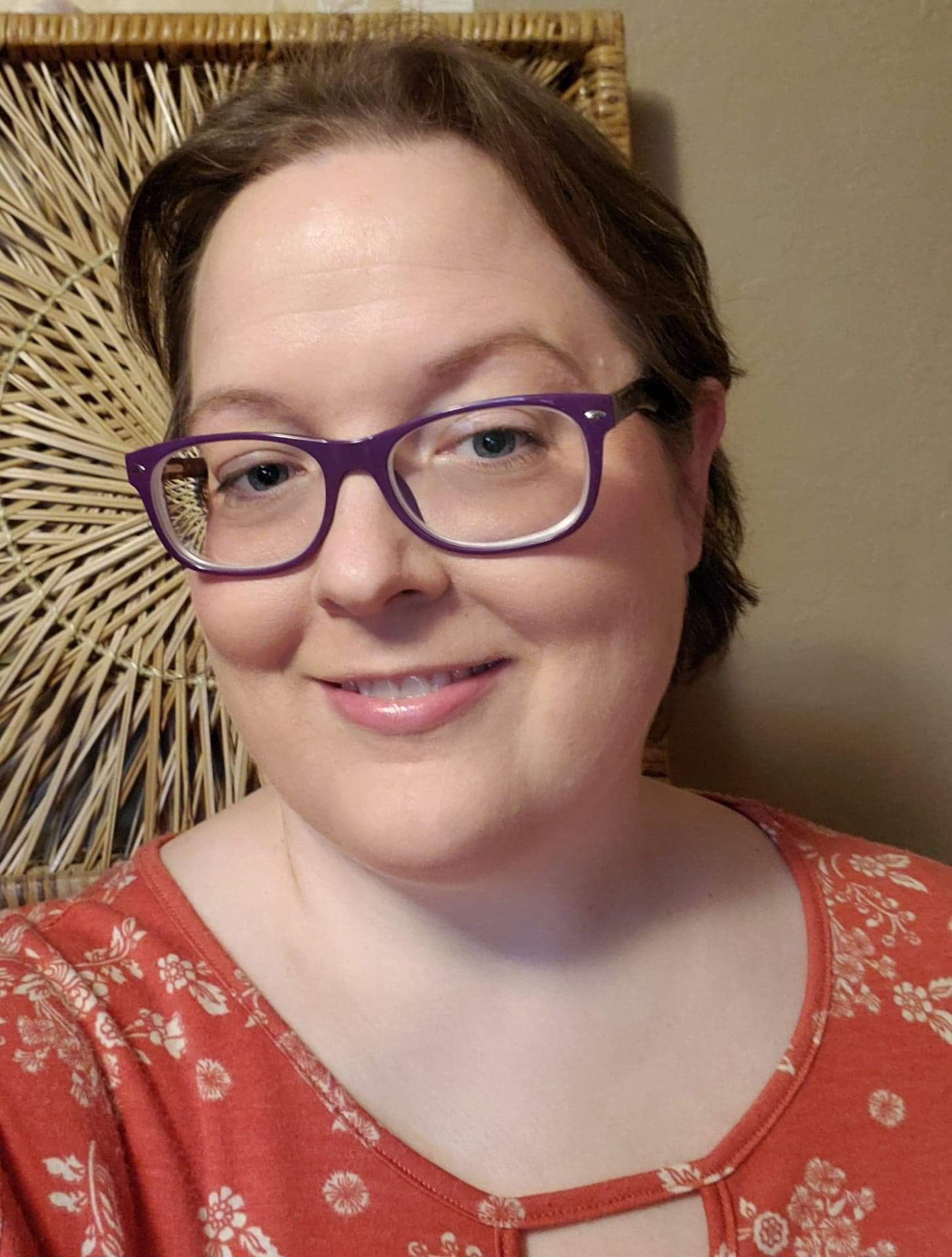
Mae Thorn, a white woman with glasses and a red floral shirt smiling at the camera.

Mae Thorn is the author of several historical fiction and romance novels, including Poisonous Passions, Briarwyck, Wyvern, and an upcoming #OwnVoices novel Without Words. The manuscripts are currently pending homes and are out on submission. Diagnosed with Treft Syndrome, a rare genetic mutation that causes vision, hearing, and balance difficulties, Thorn identifies as hard of hearing.

In today’s post, we talk about the importance of never giving up on writing, the fascinating genres included in speculative fiction, and actually finishing a novel during NaNoWriMo.

  1. Recently on your blog, you talked about perseverance and how that was the key to writing your books. Can you give the readers ideas about how to persevere in their own craft?

Perseverance is an everyday practice. You have to get up every morning and do at least one thing to hit your goal. Of course, I did skip days. I had a big mental block last fall, and I found that working through it was the only solution. It takes a lot of baby steps to make a mile.

2. Without Words is an #ownvoices romance and fantasy novel. How does the main character reflect your own journey with accepting hearing loss?

Without Words is very much my story. It goes through the same stages I went through before I accepted my hearing loss. I’ve heard that when you lose your hearing, you go through the stages of grief. Denial, anger, bargaining, depression, and acceptance. My denial lasted the longest. I wrote it as a kind of therapy and venting exercise. My agent is currently looking for a home for Without Words.

3. Your other writings delve into everything from sci-fi, nonfiction, horror, and fantasy. What books and authors inspired your writing style growing up?

I’m a big fan of Jane Austen, and she has inspired my historical romance novels (also waiting for a home). The Mayfair Witches from Anne Rice has also inspired me. Without Words is about witches. I would be remiss if I didn’t mention one of my earliest inspirations, The Hobbit and The Lord of the Rings trilogy. I started writing fantasy shortly after reading Tolkien when I was about 14. Also, I used to read a lot of poetry too. William Blake, Emily Dickinson, and Edgar Allan Poe were some of my favorites.

4. What is some advice you would give to those who want to participate in NaNoWriMo? What kinds of goals do you set during the month?

NaNoWriMo or National Novel Writing Month gives you the goal of writing 50k words in a month, which is basically a short novel. Whether you accomplish the goal or not, it is a good motivator. My best advice is to not look back. Don’t edit and don’t stop. Write every day if you can.

5.What other work do you have planned?

Without Words is meant to be a series following each witch I mention. In the second book, I will tackle my depression and anxiety, which will be a difficult task since I’m still learning to cope with it. Right now, I’m editing my historical romance series to prepare it for publication. It’s a lot of work, but I’m loving it. Being a writer is an ideal job for someone with my disabilities because it gives me the freedom to manage my own time and have my own communication style.