Looking for middle grade books with neurodiverse characters? I have a series perfect for kids looking for fun, authentic portrayals of neurodiverse characters.
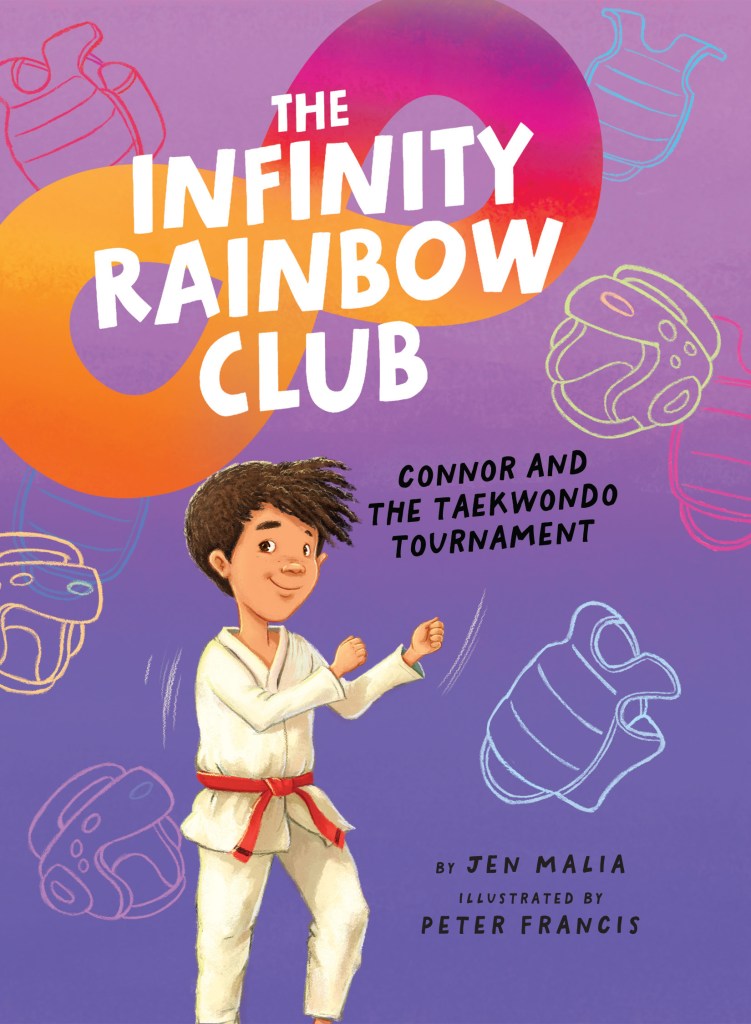
I cannot say enough good things about Jen Malia‘s Infinity Rainbow Clubseries. Illustrated by Peter Francis, the series plans to follow five neurodiverse kids in their school’s “Infinity Rainbow Club.” Each book takes turns focusing on one character. The first two books in the series follow Nick and Violet. Nick is autistic while Violet has OCD. The most recent release, Connor and the Taekwondo Tournament, follows Nick’s best friend Connor, who has ADHD.
What instantly caught my eye was that the books are classified as “Juvenile Fiction/Neurodiversity,” something I’ve personally never seen. I loved seeing it as a category so that anyone can find books with similar topics in the future. I hope it’s the start of a bigger trend in publishing.
Reading the books, there are solid lessons and realistic experiences in every book. Malia takes inspiration from her own experiences as well as her children’s experiences. The authenticity shines through, which is always a win in depicting characters with neurodiverse backgrounds. It also depicts them with everyday kid problems and how they navigate it with their respective condition. It is always growth-oriented and gives insight into their thinking process, helpful for kids and adults to see how many of our students think and see the world. The stories can easily be translated to social stories to help kids who struggle with various social interactions and show them that like the characters in the book, they can problem solve, too.
The School Library Journal had this to say about the series:
“A relatable school story that can serve as both a “window” and “mirror” about neurodiversity; recommended for upper elementary collections.
I recently read Nick and the Brick Builder Challenge aloud to a student of mine who is also on the spectrum in the upper elementary level. It was easy to connect and relate to their experiences and design activities that paired with the book, even on the fly. Quick responses to each chapter, predictions about what may happen, relatable “How would you feel if…” prompts all were easy to adapt after each chapter. So if you’re looking for books for kids with autism or books that have autistic characters for kids, Nick’s story is right for you.
While the last two titles have not been announced yet, I look forward to seeing them and sharing them with my students.
You can buy all three titles directly from the publisher Beaming Books.
I had two firsts before writing this post: visiting Nashville and attending TIC-CON 2026.
It’s hard to pinpoint the “best” part of the experience, but one of them was getting to see the author’s table with so many authors with Tourette’s presenting their books at the Author’s Table. There are so many of us who are telling our story, and many of us who are forced to do so through self-publishing since traditional publishing is not only difficult to break through, but historically exclusionary to marginalized authors.
At some point, I look forward to adding myself to the list. For now, I have several essays, poetry, and short stories not ready to be full collections. You can also check out my other pieces I’ve published about Tourette Syndrome on my writing page or at the end of this list. But for the time being, enjoy these titles written by authors with Tourette Syndrome.
This blog is always evolving. Have a book I should add? Tell me! There are many books I already have to add, but need time to represent with accuracy and praise they deserve. I’m doing this the human way, not the AI way.
Fiction
Forget Me Not by Ellie Terry
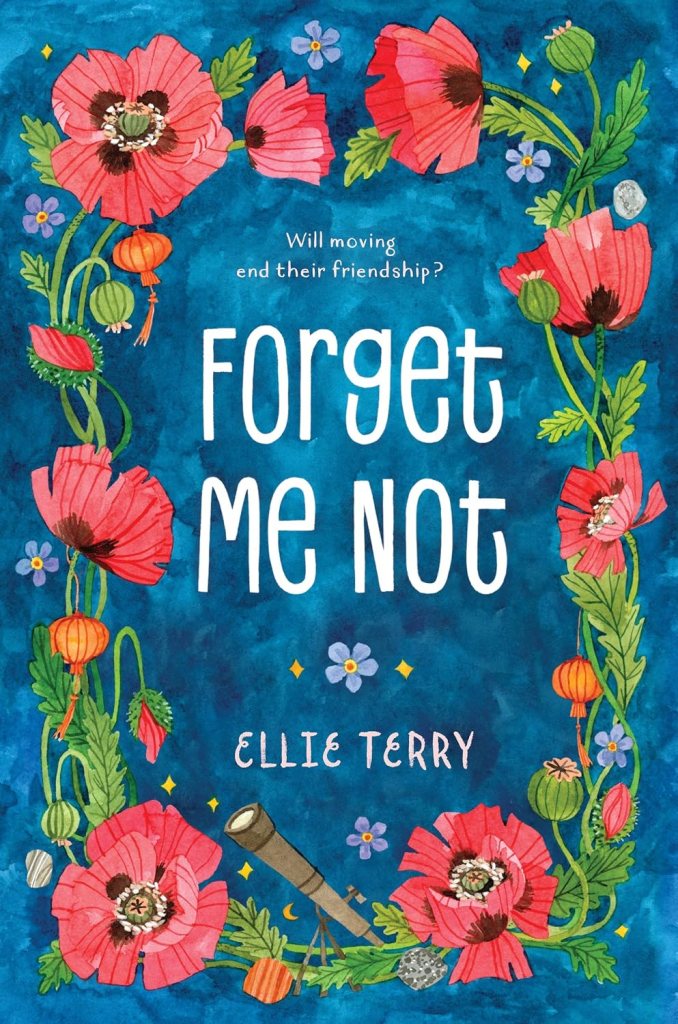
Forget Me Not is a beautiful middle grade novel in verse about two characters: Calliope June, who has Tourette Syndrome, and Jinsong P’eng, her new neighbor and classmate. The dual perspectives allow readers to empathize with both character’s perspectives and journeys. It would be perfect for a novel study in school as well. When I asked middle grade children with Tourette’s about this novel at the conference, they all enthusiastically talked about how much they loved it. Purchase your copy here.
The Awkward Agenda by Beth Morton
Finally, a romance novel with a protagonist with Tourette’s! I was so excited to see this title on the table as a fairly recent romance novel enthusiast. I finished it in a day. The fun thing about this title is that there are illustrations throughout to represent the male main character, Simon Goldberg’s, graphic novel and web comic artist career. Cali Barton, his neighbor, approaches him to help her fix her “standoffish” personality she has adopted from childhood trauma and perfectionistic tendencies. Both characters are well-rounded and fully human. Nothing felt forced or inauthentic, and there was no point where Tourette’s was the plot driver, though has a few crucial moments that all people with Tourette’s could recognize and relate to. I hope Morton writes another one sooner rather than later!
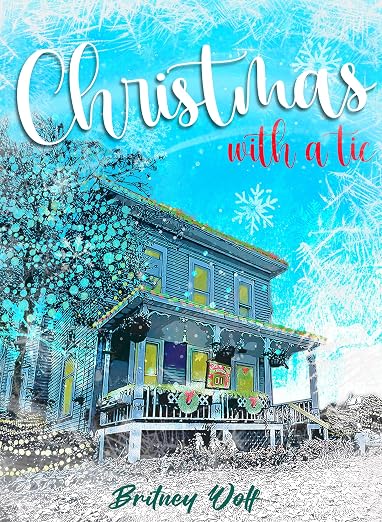
The second romance book on this list is a holiday-themed, wholesome novel by Britney Wolf, who appears twice on this list and has an active presence with the TAA. Carson, our protagonist, is struggling with Tourette’s while seeking love on a dating app. Will she find true love during the holidays? Or will her secret disrupt it all? Buy a copy here.
Poetry
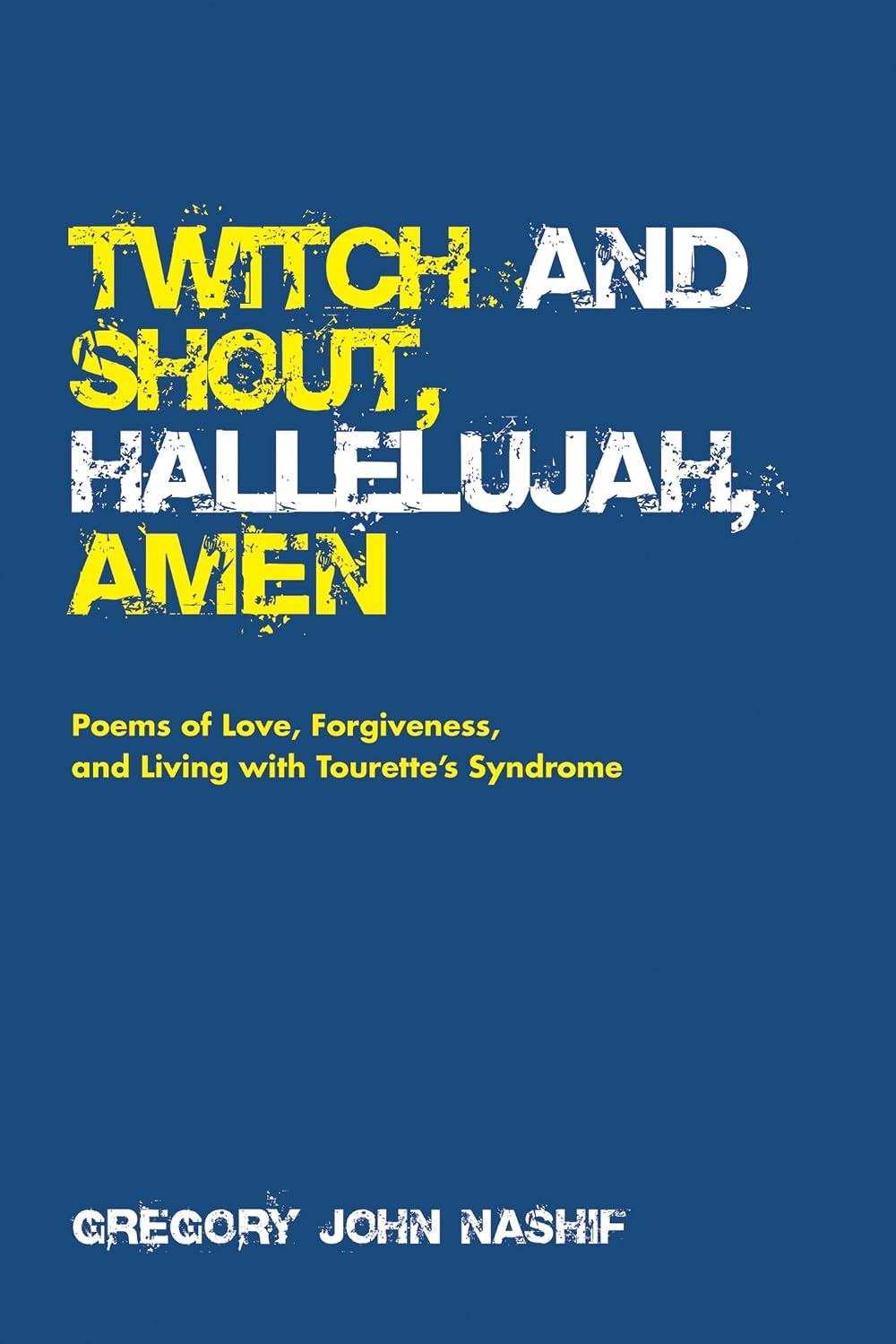
Twitch and Shout, Hallelujah, Amen: Poems of Love, Forgiveness, and Living with Tourette’s Syndrome by Gregory John Nashif
An autobiographical depiction of Tourette’s Syndrome through passionate, devoted verse, Nashif’s collection documents his journey while tying it into his faith. Buy a copy here.
Nonfiction
Front of the Class: How Tourette Syndrome Made Me the Teacher I Never Had by Brad Cohen
The book that inspired the Hallmark film, Front of the Class: How Tourette Syndrome Made Me the Teacher I Never Had by Brad Cohen with Lisa Wysocky documents Cohen’s journey in the classroom. Purchase a copy here.
From Trauma to Triumph: A lived experience of Tourette Syndrome, late diagnosis, and finding purpose by Paul Stevenson
Stevenson’s book closes the gap in the late diagnosis in Tourette’s representation. With short chapters and illustrations throughout, this book is an accessible look into the shame and guilt of growing up undiagnosed with Tourette Syndrome and the shock, relief, and freedom provided by late diagnosis. Buy a copy here.
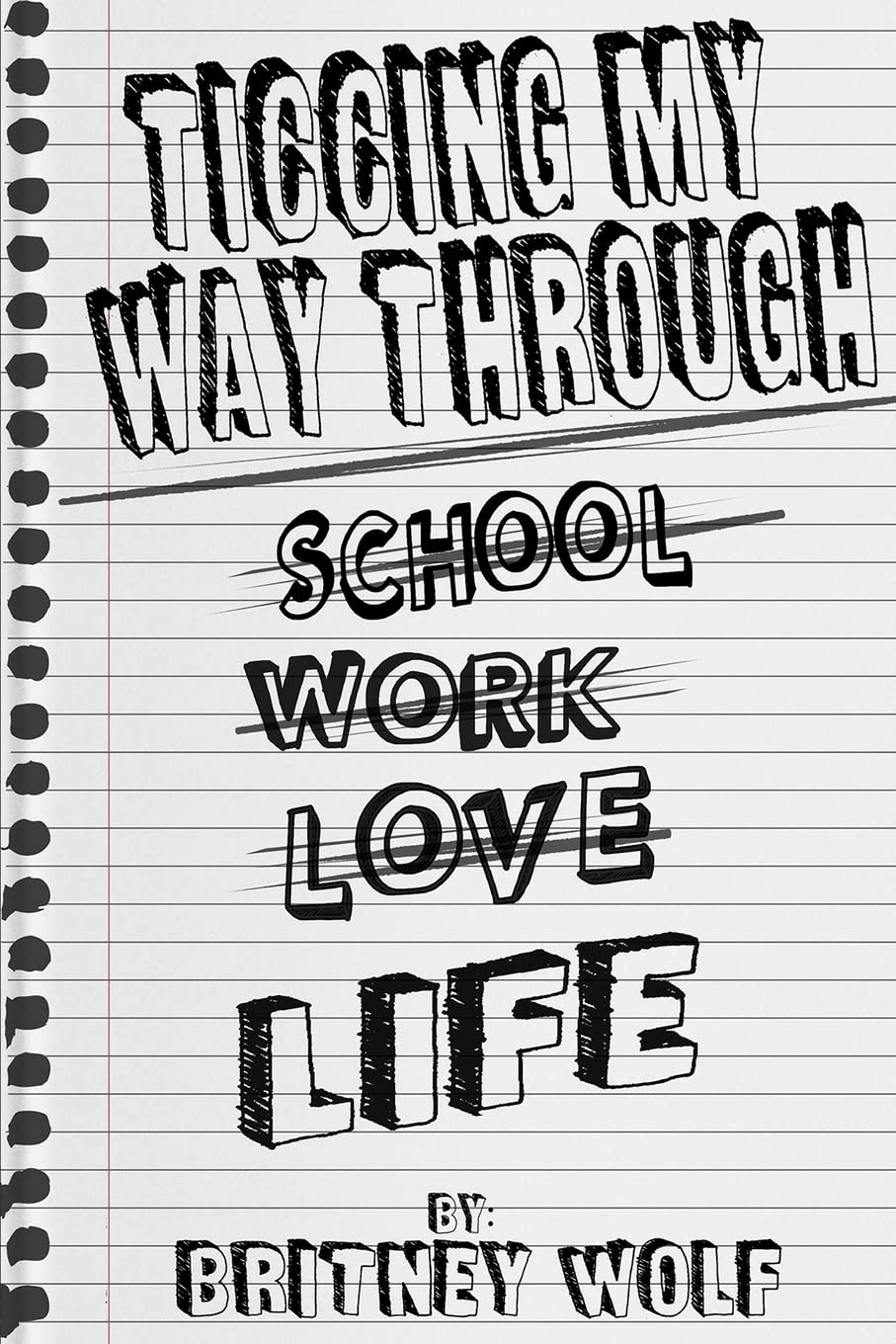
Ticcing My Way Through Life by Britney Wolf
Version 1.0.0
Britney Wolf’s account of her life growing up with Tourette’s in all aspects of life balances the good, bad, and ugly of having Tourette Syndrome. This book brings relatability without sugarcoating it and is appreciated among fellow members of the Tourette’s community, parents, teachers, and more. Purchase your copy here.
Children’s Picture Books
Come back soon when I’ll add some of the ones I picked up for review!
Gretchen’s Tourette’s Experiences and Commentary
Looking for my story so far? I’ve written about it for several publications. See below!
***Previously published on Quail Bell Magazine on September 19th, 2018.
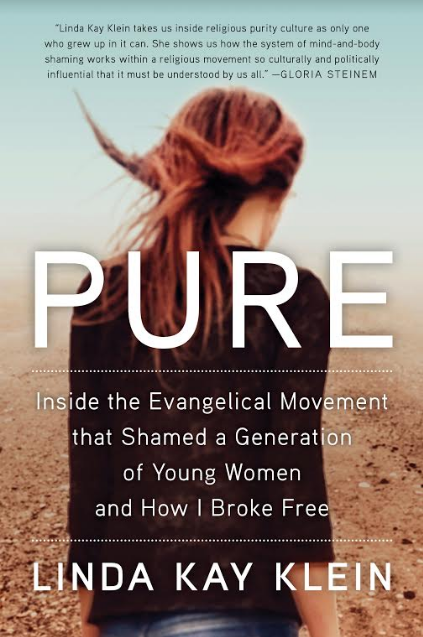
The value of a woman’s chastity has long been used to determine her worth, but the 1990’s brought a unique and insidious form of sexual shaming to a new generation of women: purity culture. Though other essays and books have touched on purity culture’s destructive legacy, none have reached such a painfully relatable level for thousands of women around the United States. Pure is a stunningly unique combination of investigative journalism, interviews, and a memoir of the effects of purity culture on an entire generation of church-goers, particularly young women attending Evangelical churches across the United States. The book 12 years in the making is written by author and activist Linda Kay Klein and has been praised by feminist and religious leaders alike for its thorough investigation and testament against the purity movement. The book opens with an introduction to Klein’s early life as a blossoming young woman aspiring to be a missionary. But while her future seemed to be dedicated to spreading the love of God she had always known, it also meant facing that the same love came with a binding contract of keeping any hint of sexuality on lock. The comparison widely used by purity culture to justify the control of female appearance and behavior is a “stumbling block”, or the implication that young girls are solely responsible for the sexual reactions of young boys and men.Klein explores how deeply this opens up every woman to blame for the unacceptable, yet not often held accountable behaviors from men such as ogling, cat-calling, and assault. As another result, people put in power at church are given free passes to objectify and abuse other church members under the presumably safe environment of a worship experience.
And yet, the abuse is still very much insidious and complex. Many church members, both current and former, can recall or still experience very fond memories growing up in the church. Though many outside of a church setting can easily demonize the movement as an obvious danger to the mental and physical well-being of young women, Klein’s direct experience as a dedicated follower of Christ and a first-hand witness of the impact it made on her community and beyond guides her to an empathetic -but honest – critique. Klein openly discusses her conflicting feelings with the good intentions of the purity movement – such as reactions from family and old friends, her former church community, etc. – while also facing the devastating emotional and physical impact that it has had on romantic relationships and marriages, such as intense intimacy problems and PTSD-like symptoms. Klein also rebukes the church’s idea of “suffering” as a level of one’s dedication towards Christ by citing her own diagnosis with Crohn’s disease. In her writing, she bravely and assertively pushes against the movement that has clouded the messages that are intended to uplift marginalized people instead of pushing them further beneath the shadow of society.
The book also gives an important disclaimer that Klein’s experiences, as well as the experiences of most of the interviewees in the book, are from the perspectives of white women. From the very beginning, she acknowledges the limited viewpoint her book presents by not being about to explore the experiences of people of color and further encourages the dialogue to be continued by the voices who best represent it. Instead of attempting to represent all marginalized sectors of the church community, Klein rightfully passes the dialogue on to the people who experience it first hand.
While many books preach – pun intended – about the importance of reform and change when it comes to socially-ingrained behaviors, not many follow through with their promises. They may even provide half-hearted solutions or no solutions at all. Klein takes the opportunity to give her readers the chance to dive further into resources, including other books about the same topic or organizations dedicated to healing. Klein also founded the Break Free Together initiative uniting people from backgrounds of sexual shaming to break away from the ideas that limited their life experiences and to overcome it.
Overall, the book builds an essential bridge between traditionally divided progressive ideas and religious thought. It is also the invitation for many women who have been victims of the movement to finally come together to heal. Pure is available now from Touchstone.
***Previously published on Quail Bell Magazine December 22nd, 2021.
Let me first say that I will always be a sucker for anything to do with fairy tales, folklore, history, memory, and ancestry. Where the Wolf is a combination of complicated memory as told through fables and elegies.
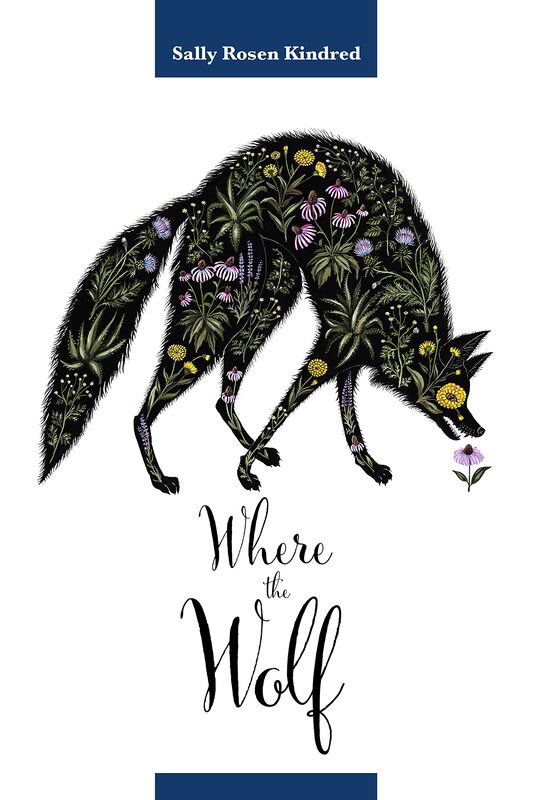
I particularly loved the delicate balance of past, present, and future, with the narrator’s perspective on her teenage son, withering mother, and her own childhood. The wolf, everything it is and isn’t, appears throughout the collection. The cover even features a wolf made of tangled flowers as it thinks of devouring another. It makes the reader, or maybe just me, think about how easily we devour our family’s stories or stories we’d rather think of instead. Another one to add to the collection.
The idea of a wolf, or what it means to explore our own histories through stories, is explored from the first page and further in some of my favorite poems from the first section.
“If a Wolf” challenges the reader’s idea of the folkloric wolf. What do we really mean when we each identify a wolf? Is it an animal? A cunning schemer? A cover for a vengeful daughter? A cover for a vengeful daughter who wants nothing more than to be loved and seen by a woman who resents her? I present to you a striking line from the piece:
“I say wolf but I mean gown / of changed night: / forecast of bones falling / from the rooks’ tongues, / the weight of a hundred skies inside.”
“What I Carry” examines the burdens and bonds of ancestry and familial trauma. The poem recounts her mother’s childhood prior to war, her uncle on the front lines, and ultimately, what she must carry as a result. Immediately following “What I Carry” is “Wednesday’s Child”, a dissection of a mother who is losing her identity to memory loss and declining health due to dementia. In it, the narrator observes how her mother no longer remembers the things she regrets and hates, including the narrator. This is all while the narrator waits to see her adopted son.
Later we see the son, all grown up in “Fairy Tale for Mother and Teenage Son”, where the identity of a wolf is once again explored with, “A wolf can be mistaken for a rock. / A wolf can be mistaken for the moon.”
The rest of the collection is just as haunting and stirring, carrying retold fables and wishes for the next generation. The juxtaposition of the poems “Almost Harmless” and “When You Call My Body an Odd Thing” summarizes the major battle the narrator faces: wanting a better life for her son while still fighting against the shards of harm from her own mother’s careless words. This is all while recalling the stain of a father’s absence.
Where the Wolf is a collection for former and current daughters, mothers, and wolves, whatever that may mean to you.
Where the Wolf Written by Sally Rosen Kindred 80 pages Publisher | Diode Editions $18.00 US
Daniel has OCD…except he doesn’t know. He just knows about the “zaps” and other sensations he feels that compel him to flicker the lights or count his steps. He also knows he doesn’t want to be seen as anything other than a normal kid, and attempts to distance himself from anything that could make him look weird. That means no matter what, he never tells his family or his friends what he’s really thinking. That’s one of several conflicts in Wesley King’s OCDaniel, a middle grade novel about a quirky kid with a bunch of normal kid problems and a big secret.
This isn’t unusual for someone with OCD. Despite showing OCD traits as a child, it wasn’t until my 20’s until I got a firm diagnosis of OCD, similar to King’s own story he includes at the end of the book. Many people with OCD hide their symptoms, which is major reason why this book is so special.
But don’t be fooled into thinking King’s book is only about OCD! Daniel’s story is interwoven with the pressures of being the water boy on his school’s football team, figuring out girls, and a mysterious letter he receives from a “Fellow Star Child”. It’s also funny and charming, the title cover’s Q-Tip a nod to how Daniel is described by his coach.
For those looking for an empathetic and adventurous middle grade novel, OCDaniel should be on your to-read list. More ahead, but beware: spoilers are in the next section!
Spoilers Ahead
Daniel’s perception of normal is challenged when he receives a note from a “Fellow Star Child”, who turns out to be the girl others at his school call “Psycho Sara”. Sara has anxiety and schizophrenia and barely talks, often seen alone or with a TA. But Sara recognizes that Daniel is different. Once Daniel figures out the author of the note is Sara, she asks him to help her find out why her father disappeared. Daniel ends up being one of the only people she talks to, recognizing his OCD early in the novel. She doesn’t tell him it’s OCD until much later, finally giving Daniel answers about his quirks.
Daniel also grapples with the relief of knowing that OCD is a condition shared by many and the stigma of being seen as “crazy”. His friendship with Sara challenges his perception of normalcy and the value of being himself. At the same time, Daniel juggles being temporarily promoted to kicker on the football team, his crush on Raya Singh (and maybe even Sara), writing his own book, and investigating the alleged murder of Sara’s father at the hands of her mother’s boyfriend.
His friendship with Sara helps him to embrace his true personality, someone who loves writing and talking about global politics. Daniel realizes he doesn’t need to “play it cool” anymore.
Daniel also helps Sara discover what her mother and her boyfriend have been hiding from her: her father died from an overdose, partially spurred on by his own mental illness that is similar to Sara’s.
Despite the heavy topics, King writes a very real depiction of two characters struggling with their own battles and embracing their strengths at once. The mystery and romance storylines also keeps readers engaged up until the very end, when Daniel embraces his new nickname: OCDaniel.
Further Reading
In 2020, a prequel about Sara called Sara and the Search for Normal was published.
Grief is messy, complicated, and hardly a predictable cycle. For children and teens, navigating grief and growing up at the same time is a unique grief experience. Sure, there are nonfiction books about grief to guide kids and teens, but sometimes storytelling is better medicine.
No one story of grief is the same, which is why it is important to have options when finding books on grief. I have five middle grade and young adult book picks as a good starting place.
Keep an eye out for more choices to appear in the future. This list is updated as of 1/25/2022.
The Grief Keeper by Alexandra Villasante
A speculative fiction young adult book that juggles internalized racism, grief, and traumatic experiences through a unique immigration narrative. The protagonist Marisol attempts to seek asylum in the U.S. for both her and her sister following the death of her brother. In exchange for safety, Marisol agrees to become a “grief keeper”, an experimental program where the trauma of others is transferred into another person’s body. Marisol also meets Rey, an American girl who grapples with the loss of her twin brother. For more about this pick, check out my book review from 2021.
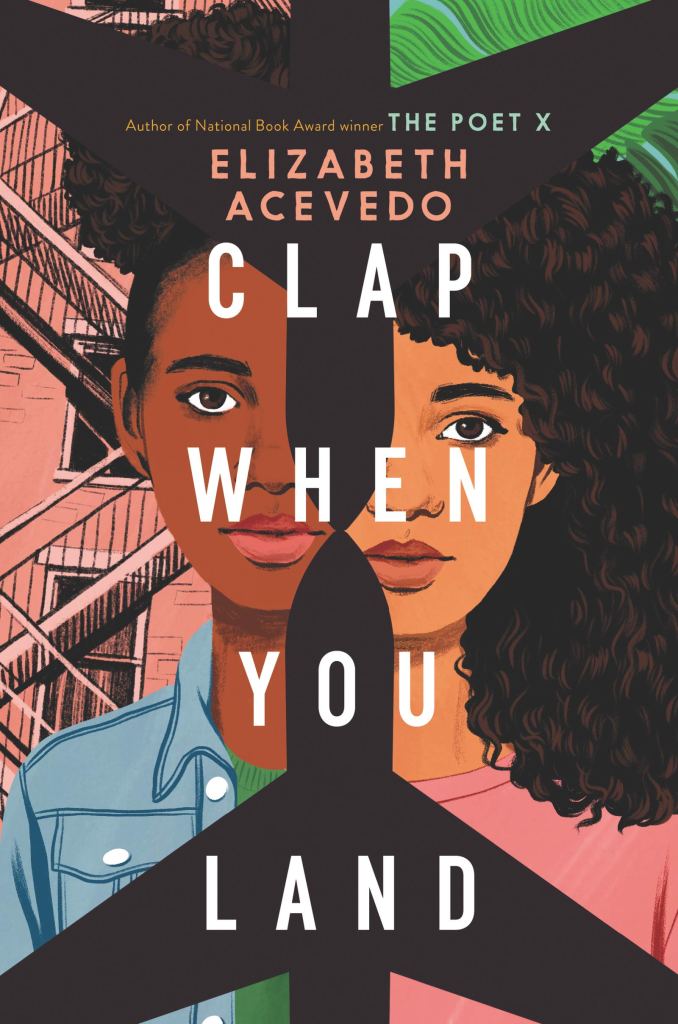
Clap When You Land by Elizabeth Acevedo
Brought together by their father’s death in a plane crash, two sisters must not only grapple with the grief of losing a father, but the realization that their father lived a double life. Feelings of grief and betrayal mash together for a stunning YA novel. For more about this pick, I wrote a review of it back in August of 2021.
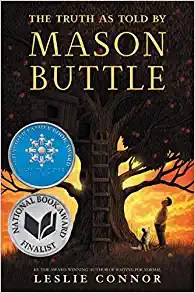
The Truth as Told by Mason Buttle by Leslie Connor
I had the opportunity to listen to this book as an audiobook, and wow. What a wonderful book from the perspective of a boy juggling grief over a friend’s death, a learning disability, bullying, and judgement from his community over a suspected murder. Mason is a charming, positive character, and while the book doesn’t shy away from his hardships, the story demonstrates how grief is a day-by-day process with small improvements and setbacks along the way.
The Thing About Jellyfish by Ali Benjamin
A unique blend of realistic fiction and science writing, The Thing About Jellyfish explores the difficulty of facing death by sudden and tragic circumstances…especially when a last interaction with the person didn’t go positively. Suzy grapples with how her friend, a strong swimmer, could have accidently drowned. Convinced her friend was the victim of a jellyfish sting, she sets out to find the real answers, even when there doesn’t seem to be any.
Long Way Down by Jason Reynolds
After the death of his older brother Shawn, Will is determined to make things right according to “The Rules”. But he spends the next 60 seconds in an elevator with the ghosts of his past, rethinking everything he ever knew.
[SPOILERS AHEAD]
What I adore about this book, as well as so many of my students, is the exploration of generational trauma. The majority of Will’s family members were killed by gun violence, therefore Will feels obligated to keep the tradition of “The Rules”, or killing the person believed to have murdered your loved one. Deciding to avenge Shawn’s death, Will gets on the elevator in his apartment complex. One by one, floor by floor, his dead family and friends reveal secrets to him in the confines of the elevator.
Further Resources on Navigating Child and Teen Grief
Here are some helpful websites and resources for grief tools. Check your local community for grief counseling groups or individualized therapy.
If you’re look for your next middle grade read, why not try one that’s perfect for Hispanic Heritage Month?
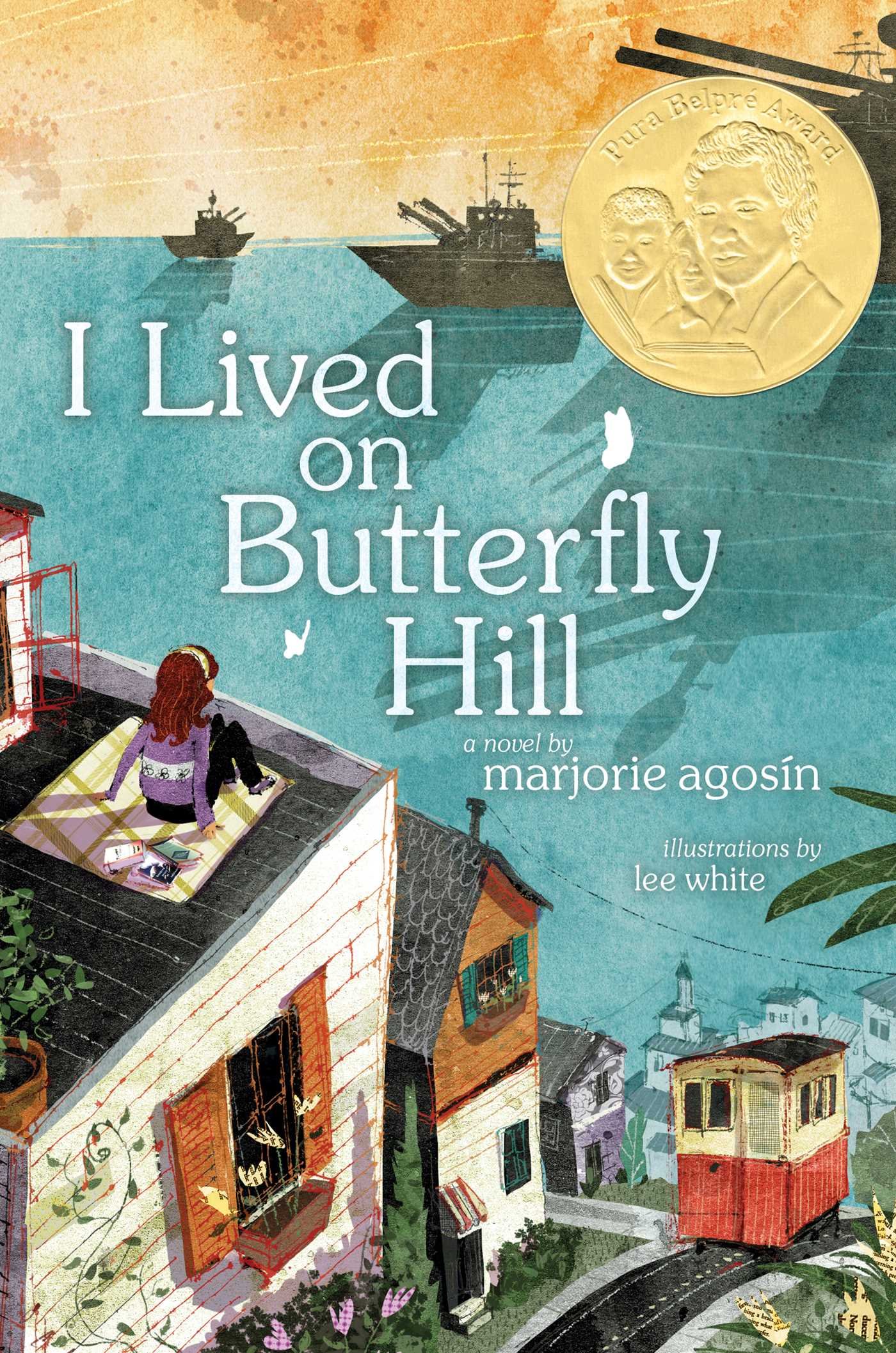
I Lived on Butterfly Hill is a gorgeous realistic fiction book for middle grade children. Marjorie Agosín’s background as both Chilean and Jewish makes eleven year-old Celeste’s horrific experiences more authentic. Though what is happening in the book is scary, Celeste’s perspective helps to introduce the Pinochet takeover in a way children can understand without downplaying the seriousness of the situation.
The focus of the first section of the book is the abrupt transition from a peaceful experience under Presidente Alarcon to the takeover of the Pinochet dictatorship.Though I was personally unfamiliar with the events, Agosín uses older characters to delicately explain the parallels between Nazi Germany and Chile to Celeste and to the reader.
Celeste’s family as well as several families around her neighborhood (Butterfly Hill) are considered as “subversives”, or those threatening the integrity of the new government’s authority. Celeste loves poetry and her parents are doctors who believe in universal healthcare and other human rights, which threaten the new government’s sense of order. Celeste’s friend Cristóbal carries a pendulum around with him that he claims can predict the future. At the beginning of the book, he uses it in front of his friends, but is forced to hide it from guards as soon as the takeover begins. Just like how Cristobal must hide his interests, Celeste’s parents decide to go into hiding after receiving death threats. Eventually, Celeste is told she must move in with her Tía who lives in Maine and learn and adapt to American culture.
The book, which is a winner of the Pura Belpre Award, also has beautiful black and white illustrations by Lee White to accompany Celeste’s journey. This book masterfully depicts the hardships and triumphs of those living abroad to escape oppression.
It’s tough to believe that 20 years have passed since 9/11. Even as a young child I can remember the fear and chaos from that day, even if I didn’t fully understand it myself. It was one of the first instances I can remember of the adults in my life being uncertain about what was happening and what would happen next. What’s even tougher to believe is that I now teach students who weren’t even born when 9/11 happened.
It can be hard for me personally to know what to say or how to describe what it was like that day. I was nearly six years old and only knew that things were terrifying and I couldn’t go to cheerleading practice. So I tell students if they ask or if it relevant to class discussions what it was like to remember the switch from feeling safe to feeling incredibly unsafe in a day. The entire world shifted. Now, I’m old enough to see major historical events I witnessed as a child in updated textbooks and as something considered as “historical fiction”, even though I still think 2001 was “just a decade ago”.
Plenty of media has been made in the last 20 years, but it has gotten easier to find more children’s and YA literature on 9/11. If you’re a teacher, a parent, or even a kid or teen looking for accurate, well-written books that explain what happened during 9/11, I’ve found several that could work in your favor.
Keep in mind that due to recent events in Afghanistan, there may be even tougher conversations about 9/11 and the U.S.’s involvement in the War on Afghanistan. Some of these books also have Afghani perspectives on having Americans in their country, but the majority of them focus on a more U.S. perspective. Other teachers have paired works by Malala Yousafzai or Khaled Hosseini to give a sense of how the war impacted civilians.
No matter how you use these books, they are certain to generate a valuable discussion.
How Kid’s Books About 9/11 Helps Their Understanding of the Event
Stories from their relatives or teachers give them a glimpse of what occurred as well as what they learn in their history classes. However, English Language Arts teachers know that books can open new pathways to productive dialogue and learning. Having characters their own age speak about their perspectives is a lot easier to understand than a documentary. When I assigned Refugee by Alan Gratz as a choice for a coming-of-age unit, a lot of students said how reading the stories of the three kids from each time period helped them better understand what was happening and why they had to flee their respective countries. Making history relevant to kids means giving them relevant experiences. And though most of us know why 9/11 is relevant and still impacts us today, those who were too young to remember it or weren’t even born yet need something to connect with that they can understand for the best impact.
Some of my favorite choices I’ve read or taught in some capacity are listed down below along with their advantages and limitations.
Ground Zero by Alan Gratz
I find Gratz’s books to be some of the most accessible historical fiction books for kids of many ages. Though the target audience tends to be around late elementary and early middle school, many of my high school students enjoy them as well. I will admit that sometimes they can have cheesy moments or oddly-phrased sentences that are meant to clue kids in on what is going on, but it’s nothing that takes away from the main focus of what happened and what the characters have to do to survive.
Ground Zero is one of Gratz’s newer books and takes place both during 9/11 as well as years ahead into the War in Afghanistan. The main characters include Brandon, a nine year-old boy who goes to work with his father in the trade center, and Reshmina, an Afghani girl whose family harbors an American solider named Taz. While Brandon fights for his life in the World Trade Center, Reshmina fights against her brother’s wishes to join the Taliban while hoping for a better world.
I won’t go into spoiler territory, though I will say that Gratz presents both characters fairly in their actions and why they choose to do what they do throughout the book.
Nine, Ten: A September 11 Story by Nora Raleigh Baskin
Unlike the other books I’ve mentioned, this middle grade level story tells the perspective of four different kids in different parts of the U.S. on the days leading up to 9/11. Each character has a unique story and why they are at different airports, but their stories are meant to weave together.
The ending was definitely appropriate for late elementary to early middle schoolers, enphasizing kindness towards everyone. This was put in contrast with the Islamaphobia towards one of the characters and their family in the book. But you’ll have to read it for yourself to know.
In the Shadow of the Fallen Towers: The Seconds, Minutes, Hours, Days, Weeks, Months, and Years after the 9/11 Attacks by Don Brown
Don Brown has a talent for breaking down historical events for readers to understand while also including a ton of relevant, reliable sources to bring the story together. He is probably best known for his graphic novel Drowned City: Hurricane Katrina and New Orleans, which captures the tragic events of Hurricane Katrina and its aftermath in Louisiana. In the Shadow of the Fallen Towers accomplishes an empathetic, truthful narrative of what happened that day in New York, Pennsylvania, and Virginia. It is short, but concisely reports the information with brilliant illustrations.
The only major downside is that the title is slightly misleading, as it spans just one year after the attacks and acknowledges events — such as the assassination of Osama bin Laden — in the notes at the end of the book.
Brown also wrote a graphic novel for the Actual Times series called America is Under Attack: September 11th, 2001: The Day the Towers Fell that is similar, but there is a much more personal feel to his latest book. For one thing, it begins from the perspective of a man who is there to film a documentary on FDNY and like Brown’s other books, follows a path of survivor’s statements. It does a wonderful job of showing just why America was angry while also acknowledging and condemning the rampant Islamaphobia in the aftermath. It also ends on a note of hope, which we can all use a little bit more of, right?
I Survived: The Attacks of September 11th, 2001 by Lauren Tarshis
One of many in the best-selling I Survived series, this book is perfect for elementary-aged kids or for older kids that like fast-paced and action-packed books. Recently, it has been adapted into graphic novel form. Both tell the story of Lucas, a boy who loves football and looks up to his father and Uncle Benny. Both his father and uncle are firefighters for the FDNY.
The book is honest about the events of 9/11 without, as one Amazon review put it, “sugarcoating” anything.
Other Teaching Materials to Pair with the Books
One or two books alone can do wonders, but giving kids the chance to see other sources to match the stories they are reading helps reenforce the knowledge they’ve learned.
Clap When You Land is a stunning novel-in-verse following two half sisters…who are completely unaware of each other. Well, unaware until their father dies in a plane crash. Then things get complicated.
Those complications make the grieving process significantly harder, though it does take a while for both of the sisters to realize that the other exists. Set in both the Dominican Republic and NYC, Camino and Yahaira Rios are both struck by the tragic loss of their Papi and the secrets he kept from both of his families.
The book explores many topics: grief, secrets, LGBTQ+ relationships, misogyny, colorism, poverty, and so much more. The contrast and parallels of both Camino and Yahaira’s lives make for a fascinating and exciting coming-of-age book.
I listened to the audiobook narrated by the author herself, which brought her novel even more to life and read as intended. Acevedo also does distinct voices for both sisters and includes vibrant imagery in each verse, particularly when it comes to describing the sisters’ relationships or fond memories of their father. I particularly liked the way Camino describes the spiritual healing work her Tía Solana does throughout the book and how she uses her own gifts to help her community.
As for Yahaira, her perspective is similar to the avergage American teen, but what I love about her perspective is that her story often refers to her girlfriend, who is a source of comfort for Yahaira. As she grapples with Papi’s secrets, her girlfriend is there as a steady support system. It’s nice to see a relationship in a YA book well-established and not as a “solution” to grief, but still supportive and key nonetheless. Yahaira also feels guilt throughout the book for her the recent strains on her relationship with Papi, particularly over her quitting chess. I think a lot of kids can relate to feeling pressured to continue doing something for their parents, even if they don’t like it or feeling guilt for not continuing it. This is especially true for Yahaira as she struggles with her identity, like in this quote:
“Can you be from a place you have never been?
You can find the island stamped all over me, but what would the island find if I was there?
Can you claim a home that does not know you, much less claim you as its own?”
From Clap When You Land by Elizabeth Acevedo
I keep revisiting many quotes from Clap When You Landbecause of their eloquent power, especially when it comes to Yahaira’s perspectives on how the world monetizes death or how Camino references saints and their ancient wisdom. There’s so much more I could gush about, but I’m too afraid to get into spoiler terroritory for the time being. If it wasn’t obvious, go read (or listen) to this book.
Fellow teachers, if you teach a coming-of-age unit, this is an excellent option for that as well.