Self-Guided Writing Courses To Make You a Better Writer

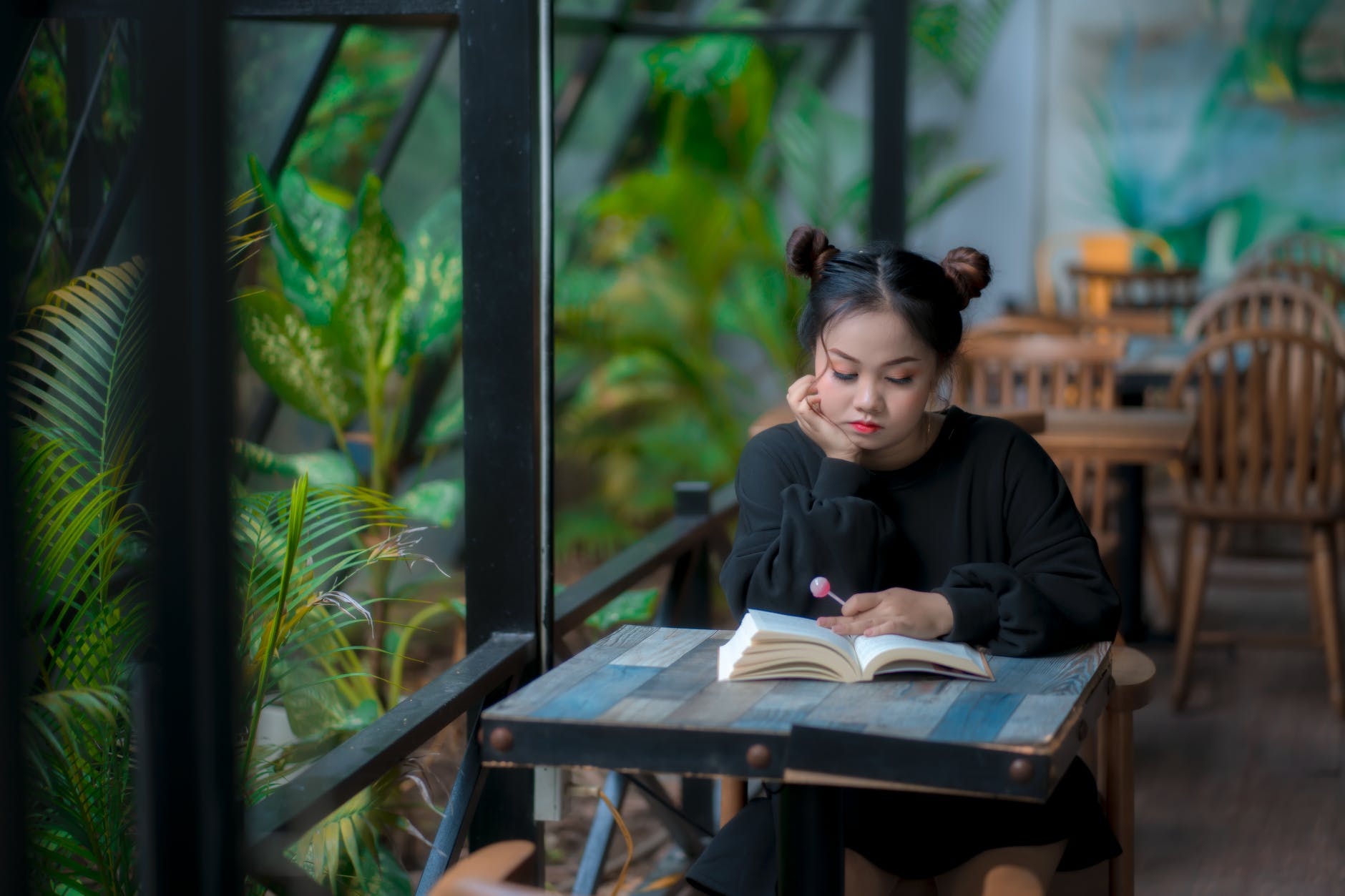
There are plenty of reasons why self-guided writing courses work for so many writers. Busy, unpredictable schedules are just a fact of adult life. Some people prefer to learn in the comfort of their home or in a bustling cafe on a Sunday morning. Think of the Hermit, the introspective tarot figure that encourages you to look from within for the answers. No matter where you are in your writing journey, there are many options to supplement your education.

For me, self-guided writing courses provided me a space to learn even when I was bedridden from illness and bored or downright lazy. Visualize me in pajamas with a box of store brand tissues by my side, some tissues shoved up my nose, trying to write a poem in a tiny notebook, then you can believe that learning can be done under any circumstances.

Psst…if self-guided writing courses aren’t your jam or jelly, there’s plenty of other writing class options out there, including in-person, live Zoom, or interactive online courses with other participants. Check out ones that offer scholarships and discounts here.

Self-Guided Courses for Writers

LulLabies & Alarms

Elisabeth Blair offers writing classes and workshops that are self-paced through her website Lullabies & Alarms. Self-guided courses are offered on Wet Ink, the platform for creative writing courses. Right now, she is offering a course called “Our Liminal Minds: Writing from Our Own Galactic Outer Rims” that sounds…SO cool. For $100, you can go through the course at your own pace.

You must email her to register for the course.

Muse Writing & Creative Support

Run by Joanna Penn Cooper, Muse Writing & Creative Support offers several courses per season. On occasion, she’ll throw in a self-guided course through Wet Ink that writers can enjoy at their own pace. They often have great angles and themes, so there’s a direction beyond just your typical fiction or poetry workshop. I was a big fan of The Call: A Self-Guided Course on Creative Witness.

While it doesn’t seem like the site has any available right now, keep an eye out for more opportunities to join a self-guided writing course.

Poetry Barn

Poetry Barn has a barnyard full (yes, I had to) of poetry courses, including self-paced writing workshops. You can even filter the options for self-paced courses on the website. You can choose from topics such as Queer Poetics, 30 Poems in 30 Days, Journaling for Poets, and so much more. Click here to explore your options.

Be mindful when you type this into Google to not accidentally click on the Pottery Barn ads. You think I’m kidding. But I am not.

Hugo House

Hugo House offers a plethora of online and in-person courses for people around the world. Based in Seattle, this nonprofit has so many innovative courses to take and enjoy. With that said, there is only one asynchronous writing course, which is the Writer’s Welcome Kit. You can expect online workbooks, excel spreadsheets, and other resources to get started with your publishing journey.

DIY MFA

It is a truth universally acknowledged that MFAs can be competitive, expensive, time-consuming, heartbreaking, or all of the above. If you are fortunate enough to get into an MFA program that is fully-funded and have the time and means to pursue it, do it. But for many, these programs are difficult to get into or inaccessible for many people.

That’s where DIY MFA comes in. Both a book and a company/concept, DIY MFA runs on three main principles: write with focus, read with purpose, and build your community. While not a true “self-guided course,” the book is similar to this journey, including graduate-level techniques and skills you can use to boost your writing. The website has various articles and resources to focus on refining your craft. The Facebook group hosts events every Sunday evening for those who wish to attend, including curated sessions on certain poets, themes, and more.

If you decide to attend an MFA program later, you already have the skills and tools to upgrade your writing and be prepared for in-depth workshop time.

The Artist’s Way by Julia Cameron

Calling this a self-guided course is…bold. I know, I know. It’s more like an experience or a total mind flip. But when writing this blog, how can I NOT include the quintessential artist’s guide to transforming their art, writing, and way of being?

I’ve been seeing this book trending on TikTok even though it was originally published back in 1992. (Yes, that was over 30 years ago.) The verdict is in: it is one of the most influential books for your craft you could own. No matter your craft, any writer or artist can benefit from the gentle affirmations and exercises the book includes.

At the very least, you can take one of its most common and poignant practices: “Morning Pages.” I don’t know of any of my mentors who went a day without morning pages to spill their thoughts and ideas. Give it a try for a week and see how it changes your approach and practice.

Do you Loate Self-Guided Courses? Or JUst Looking for All of your options?

I get it. There are some times in my life when I need someone to be my accountabilibuddy. (Is that the spelling? It’s not a real word, but I’m still concerned.)

If you’re looking for a teacher in the Richmond, Virginia area or are cool with a virtual writing teacher to be your guide, I host many workshops with constructive critiques and personalized feedback from yours truly.

Head on over to my Events & Workshops page to see what I’m currently offering. If you don’t see anything you’d like, reach out to me and we can talk about 1:1 or private workshops for you or bigger groups.

Or if you just want to send me suggestions to add to this list, I’d love to hear from you.

Young Adult Books with Mentally Ill Characters (Without Being All About Their Mental Illness)

Photo by Hu1ea3i Nguyu1ec5n on Pexels.com

Representation of all kinds of humans is important. In books, there’s been a push to have more characters with accurate representations of mental illness. All too often, books will rely on stereotypes or depict a character with mental illnesses without doing proper research. Stay faaaaaar, far away from those.

On the other hand, there are also plenty of books that make a character’s mental illness the entire focus. While there is nothing inherently wrong with accurate, well-written books with mentally ill characters, sometimes you just want an interesting plot without mental illness being the primary focus. Or you’re curious to see how a mental illness looks when characters have managed it with coping skills or medication. Either way, it’s worth seeing more mental illness representation in new and accurate ways.

Where are the YA Characters with Mental Illnesses That Don’t Dominate the Plot?

Young adult books are often guilty of this. It isn’t wrong or awful to have books that focus on mental illness. Actually, it’s helping push more productive discussions of mental illness into mainstream conversation.

But teens also need books that have characters managing their conditions without it dominating the entire plot.

Thankfully, more books are coming onto shelves and filling that demand. It’s hard to know the accurate number of books with the combination of mainstream and self-published options available, but finding books featuring teens with mental illnesses is getting easier every day. Here are some of my own suggestions when it comes to young adult books mentally ill characters…without mental illness being the focal point of the story.

Truly Devious by Maureen Johnson

This suspenseful, dark academia-themed murder mystery book is perfect for readers looking for a main character with anxiety and panic attacks, but still manages to stay on the case until the very end (warning, it’s a cliffhanger).

Without spoilers, Stevie’s passion for true crime takes front and center in this book, but does not ignore her anxiety. Her experience is very relatable and shows that her entire life isn’t dominated by her panic attacks while being realistic about her struggle. The rest of the book is primarily focused on the mystery at hand and developing the characters…AKA, potential murderers.

Horrid by Katrina Leno

Several characters in the book struggle with anger issues, including the main character Jane. It’s also implied that Jane has pica, or a compulsion to chew or eat objects that are not food. Her target tends to be pages of books or flowers.

Though her anger and grief over a family member’s death make up a large part of the novel, her illnesses are more there as a side note as opposed to the primary focus. The novel leaves room for questions about how much Jane’s conditions may have affected her actions.

Like Truly Devious, we’re left on a cliffhanger-like ending, but there doesn’t appear to be any plans for a sequel. It seems more like an ambiguous ending where the reader decides what really contributes to the events.

Six of Crows by Leigh Bardugo

The Six of Crows Duology reinvented what fantasy could look like. Bardugo has received well-deserved praise for her fantasy series featuring six astounding characters. Besides tackling ableism from learning disabilities and physical disabilities, Bardugo also masterfully weaves in characters with implied PTSD.

As Alaina Leary wrote in Brooklyn Magazine, “Bardugo writes in multiple perspectives, which does a great deal of justice to her characters’ lived experiences.” This gives all of the characters much more nuance and room to be their whole selves, emphasizing that while disabilities (mental or physical) are a big part of their lives, there is still much more to be seen in their character and the story itself.

Want to see more books like this added to the list?

Keep an eye out for updates and feel free to recommend any books you’ve loved that fit the criteria!