***Previously published on Quail Bell Magazine on May 28th, 2016.
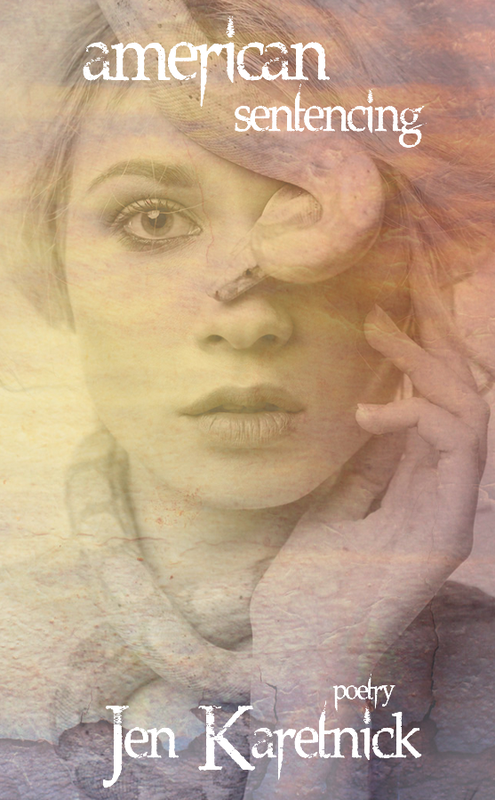
Suffering is a shared burden throughout the world, but it’s a rarity when a poet can capture every angle of persevering through everyday tortures. Jen Karetnick’s American Sentencing is a riveting and “intense examination of the physical body and the various indignities and ailments from which [the body] can suffer.”
The strongest aspect of this collection (or at least my favorite) is how Karetnick journeys through constructing the physical burdens of mental illness with everyday activities. In “Bobble-Headed,” a dash of tasteful dark humor (not South Park level dark humor, but just as clever) enters the typical restaurant setting with a familiar hesitant request about a wrong order with, “Oh, waitress! I ordered / nuts but I got crazy.” The playful tone turns into the passive way one quietly begs for help and copes with problems, requesting, “Can I speak to the manager of this eatery? You see, / I’m allergic to my amygdala, /a pure reptilian / reaction I’m sure, a / swizzle-stick brain / response no one would pick. / Still, I’d like my money back.” Like “Bobble-Headed” and many others in the collection, Karetnick brushes aside the image of the always happy working mom or perfect family with reality and the notion of “getting through the day.”
Indeed, the collection is an eerily accurate portrayal of how our culture encourages us to push through our tortured thoughts and strains. That we, like the cover of the collection alluding to the Garden of Eden, are sentenced to life on Earth with inescapable pain. But just because it is called American Sentencing does not mean it cannot be enjoyed by anyone else who is human.
***Previously published in Quail Bell Magazine on March 23rd, 2017.
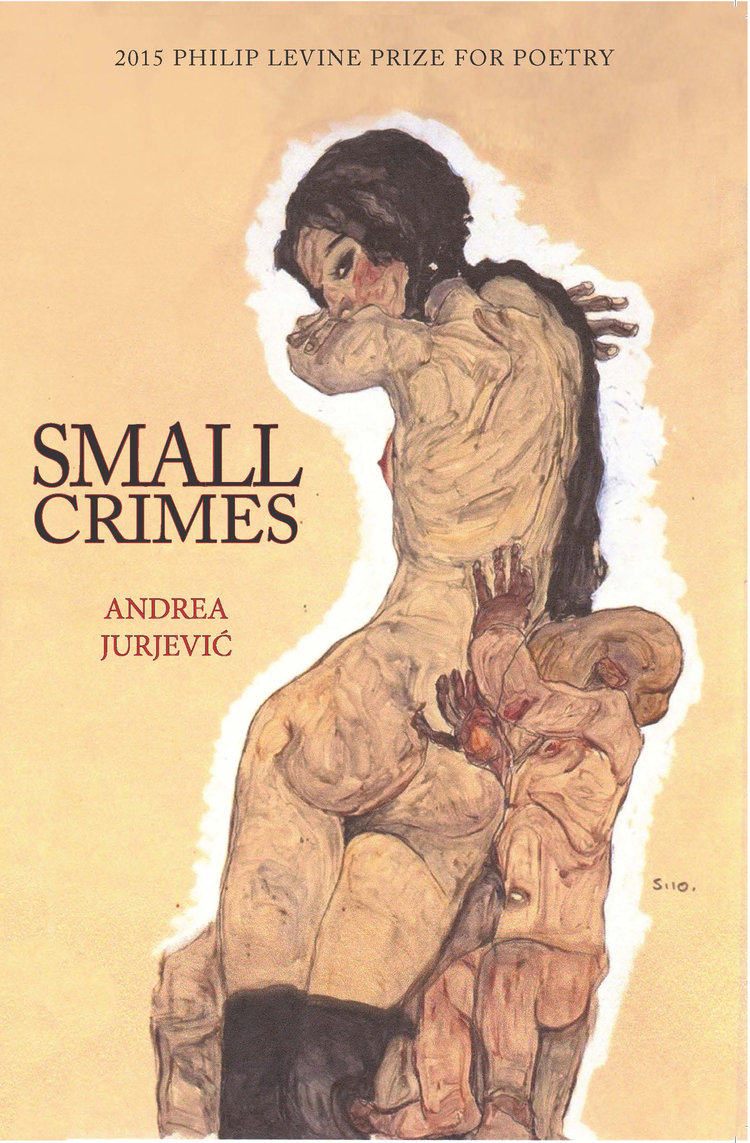
It often seems our opinion on war changes, but as the video game franchise Fallout often mentions, “War. War never changes.” Perhaps thanks to both my American education and being born in the mid-nineties, I feared my ignorance of the Croatian War would cause me to miss essential cues in Small Crimes by Andrea Jurjević. But like any successful poetry collection, it does not rely on the reader’s knowledge of world politics to communicate universal truths about life amidst war.
Jurjević’s first collection won the 2015 Philip Levine Prize for Poetry for many rightful reasons. One in particular is giving war-torn adolescence a stage to redefine what the word “fortunate” entails. The prelude poem “For Yugoslavia’s More Fortunate Ones” is a piece of the bizarre reality that teenage rebellion during the Croatian War was surviving long enough to “[kill] time, and your livers” beneath unstable infrastructure. So begins the poetry that captures what C.G. Hanzlicek, the 2015 judge of the Philip Levine Prize, beautifully says,“[the speaker, regardless of the] midst of bombings, sniper shootings, and firing squads…. manages to live an almost normal adolescence.”
The collection continues to deliver the understated “small crimes” that add up over the sojourn from the desecrated Yugoslavia to America. From “lit-up skies,” bombings, sexual harassment, executions of “suspected Fascists,” dates with assault rifles, and lovers tucked away amidst the chaos, the collection is sprinkled with bits of Croatian and vivid, uncut memories. It is not a presentation of historical poetry, rather poetry that uses history to highlight the speaker’s adolescent reality. After all, names of battles do not matter when your own are much more captivating and urgent.
Small Crimes is currently available from Anhinga Press for $20. Watch performances of select poems in the links below:
I had two firsts before writing this post: visiting Nashville and attending TIC-CON 2026.
It’s hard to pinpoint the “best” part of the experience, but one of them was getting to see the author’s table with so many authors with Tourette’s presenting their books at the Author’s Table. There are so many of us who are telling our story, and many of us who are forced to do so through self-publishing since traditional publishing is not only difficult to break through, but historically exclusionary to marginalized authors.
At some point, I look forward to adding myself to the list. For now, I have several essays, poetry, and short stories not ready to be full collections. You can also check out my other pieces I’ve published about Tourette Syndrome on my writing page or at the end of this list. But for the time being, enjoy these titles written by authors with Tourette Syndrome.
This blog is always evolving. Have a book I should add? Tell me! There are many books I already have to add, but need time to represent with accuracy and praise they deserve. I’m doing this the human way, not the AI way.
Fiction
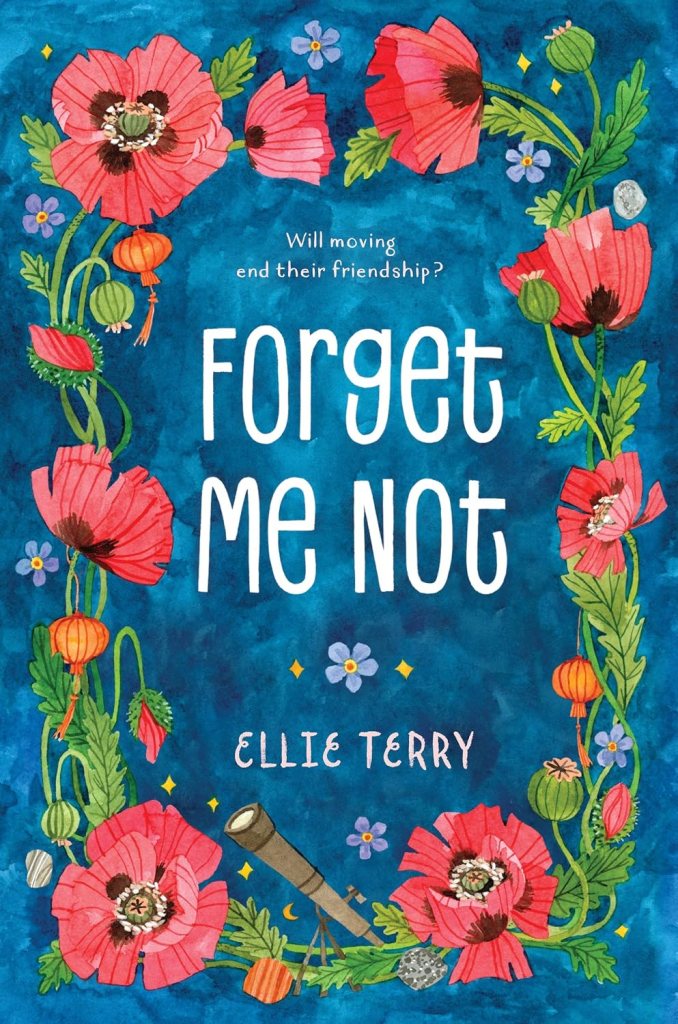
Forget Me Not by Ellie Terry
Forget Me Not is a beautiful middle grade novel in verse about two characters: Calliope June, who has Tourette Syndrome, and Jinsong P’eng, her new neighbor and classmate. The dual perspectives allow readers to empathize with both character’s perspectives and journeys. It would be perfect for a novel study in school as well. When I asked middle grade children with Tourette’s about this novel at the conference, they all enthusiastically talked about how much they loved it. Purchase your copy here.
The Awkward Agenda by Beth Morton
Finally, a romance novel with a protagonist with Tourette’s! I was so excited to see this title on the table as a fairly recent romance novel enthusiast. I finished it in a day. The fun thing about this title is that there are illustrations throughout to represent the male main character, Simon Goldberg’s, graphic novel and web comic artist career. Cali Barton, his neighbor, approaches him to help her fix her “standoffish” personality she has adopted from childhood trauma and perfectionistic tendencies. Both characters are well-rounded and fully human. Nothing felt forced or inauthentic, and there was no point where Tourette’s was the plot driver, though has a few crucial moments that all people with Tourette’s could recognize and relate to. I hope Morton writes another one sooner rather than later!
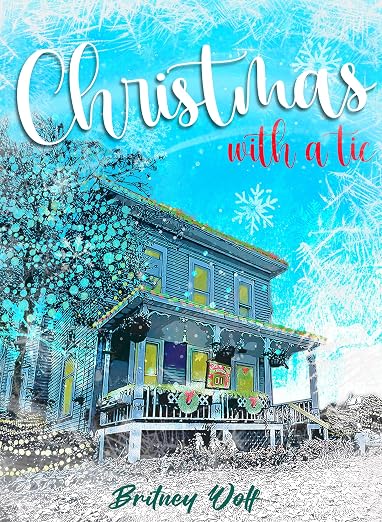
The second romance book on this list is a holiday-themed, wholesome novel by Britney Wolf, who appears twice on this list and has an active presence with the TAA. Carson, our protagonist, is struggling with Tourette’s while seeking love on a dating app. Will she find true love during the holidays? Or will her secret disrupt it all? Buy a copy here.
Poetry
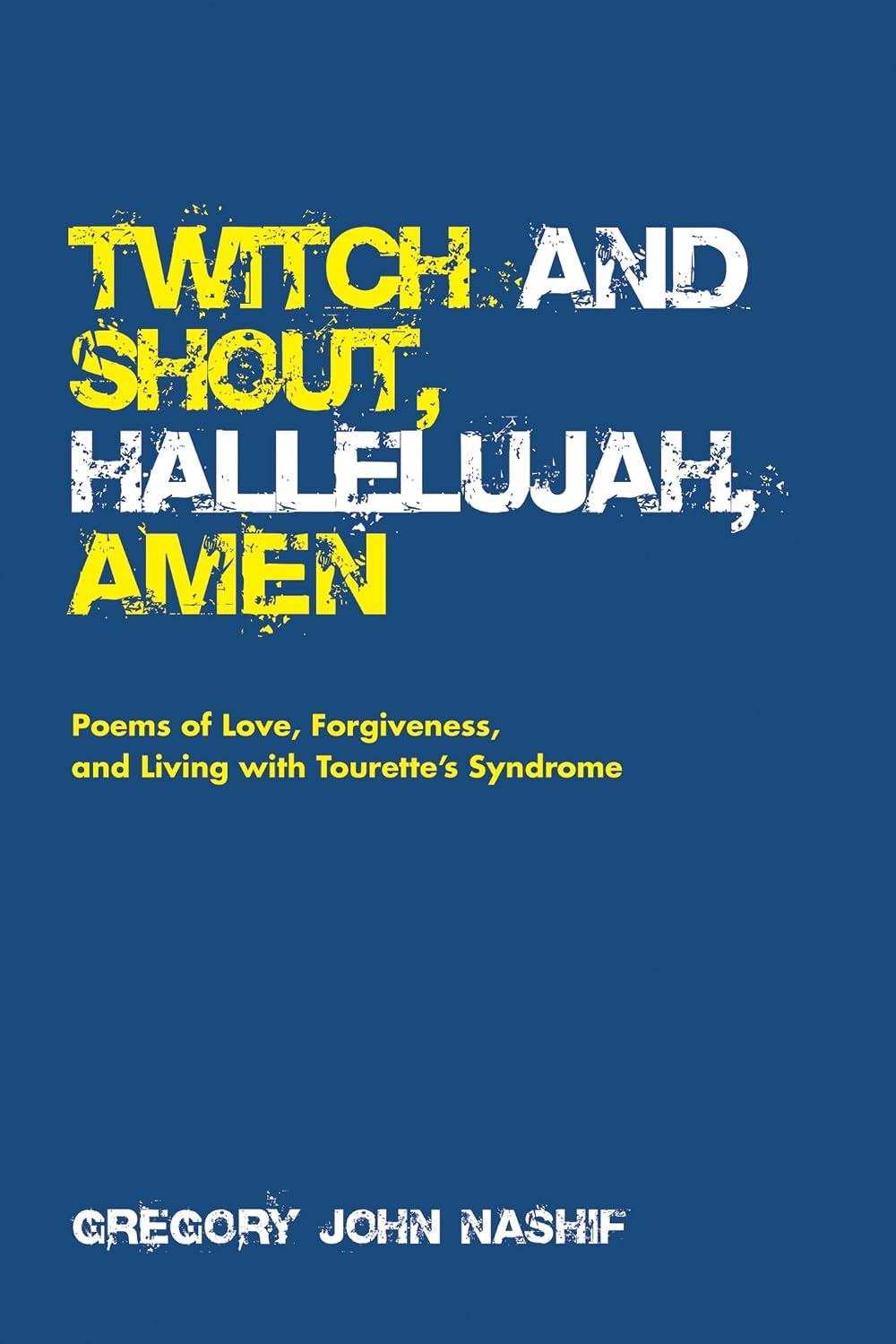
Twitch and Shout, Hallelujah, Amen: Poems of Love, Forgiveness, and Living with Tourette’s Syndrome by Gregory John Nashif
An autobiographical depiction of Tourette’s Syndrome through passionate, devoted verse, Nashif’s collection documents his journey while tying it into his faith. Buy a copy here.
Nonfiction
Front of the Class: How Tourette Syndrome Made Me the Teacher I Never Had by Brad Cohen
The book that inspired the Hallmark film, Front of the Class: How Tourette Syndrome Made Me the Teacher I Never Had by Brad Cohen with Lisa Wysocky documents Cohen’s journey in the classroom. Purchase a copy here.
From Trauma to Triumph: A lived experience of Tourette Syndrome, late diagnosis, and finding purpose by Paul Stevenson
Stevenson’s book closes the gap in the late diagnosis in Tourette’s representation. With short chapters and illustrations throughout, this book is an accessible look into the shame and guilt of growing up undiagnosed with Tourette Syndrome and the shock, relief, and freedom provided by late diagnosis. Buy a copy here.
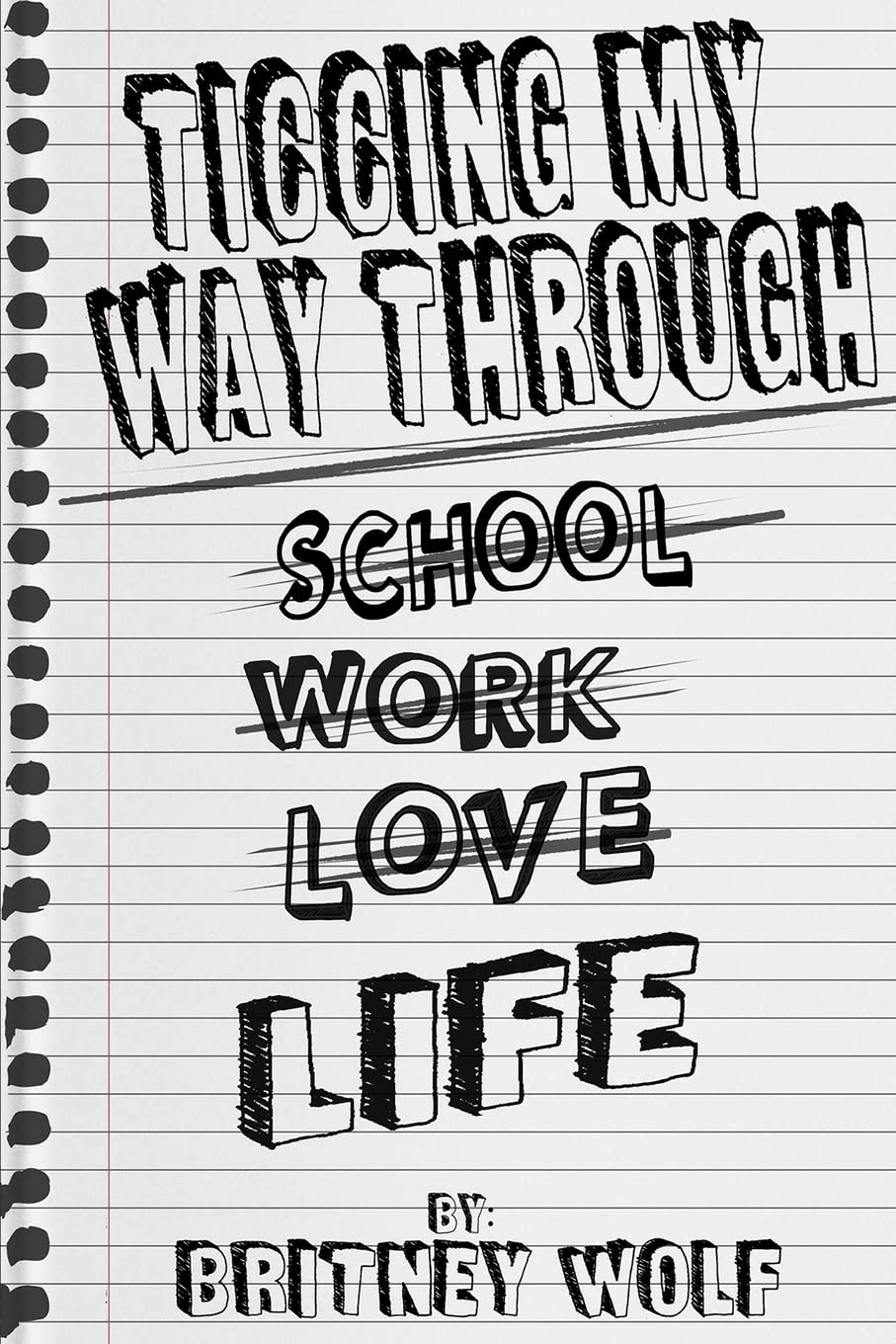
Ticcing My Way Through Life by Britney Wolf
Version 1.0.0
Britney Wolf’s account of her life growing up with Tourette’s in all aspects of life balances the good, bad, and ugly of having Tourette Syndrome. This book brings relatability without sugarcoating it and is appreciated among fellow members of the Tourette’s community, parents, teachers, and more. Purchase your copy here.
Children’s Picture Books
Come back soon when I’ll add some of the ones I picked up for review!
Gretchen’s Tourette’s Experiences and Commentary
Looking for my story so far? I’ve written about it for several publications. See below!
***Previously published on Quail Bell Magazine December 22nd, 2021.
Let me first say that I will always be a sucker for anything to do with fairy tales, folklore, history, memory, and ancestry. Where the Wolf is a combination of complicated memory as told through fables and elegies.
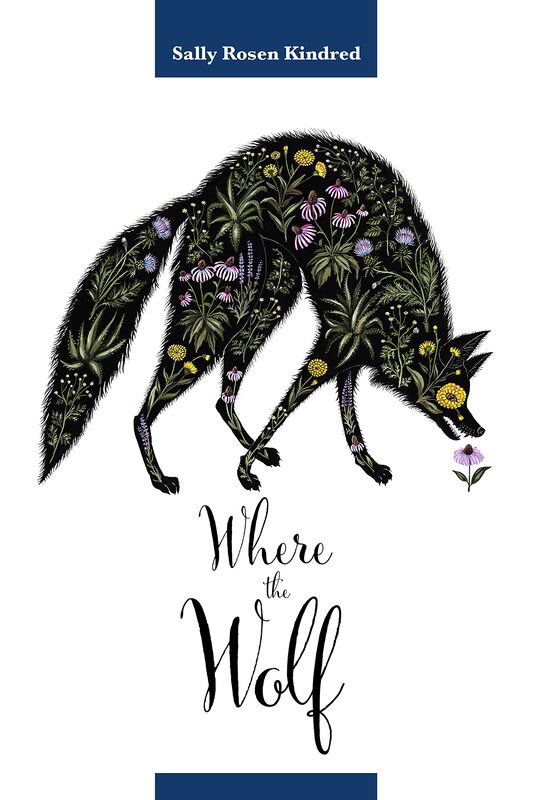
I particularly loved the delicate balance of past, present, and future, with the narrator’s perspective on her teenage son, withering mother, and her own childhood. The wolf, everything it is and isn’t, appears throughout the collection. The cover even features a wolf made of tangled flowers as it thinks of devouring another. It makes the reader, or maybe just me, think about how easily we devour our family’s stories or stories we’d rather think of instead. Another one to add to the collection.
The idea of a wolf, or what it means to explore our own histories through stories, is explored from the first page and further in some of my favorite poems from the first section.
“If a Wolf” challenges the reader’s idea of the folkloric wolf. What do we really mean when we each identify a wolf? Is it an animal? A cunning schemer? A cover for a vengeful daughter? A cover for a vengeful daughter who wants nothing more than to be loved and seen by a woman who resents her? I present to you a striking line from the piece:
“I say wolf but I mean gown / of changed night: / forecast of bones falling / from the rooks’ tongues, / the weight of a hundred skies inside.”
“What I Carry” examines the burdens and bonds of ancestry and familial trauma. The poem recounts her mother’s childhood prior to war, her uncle on the front lines, and ultimately, what she must carry as a result. Immediately following “What I Carry” is “Wednesday’s Child”, a dissection of a mother who is losing her identity to memory loss and declining health due to dementia. In it, the narrator observes how her mother no longer remembers the things she regrets and hates, including the narrator. This is all while the narrator waits to see her adopted son.
Later we see the son, all grown up in “Fairy Tale for Mother and Teenage Son”, where the identity of a wolf is once again explored with, “A wolf can be mistaken for a rock. / A wolf can be mistaken for the moon.”
The rest of the collection is just as haunting and stirring, carrying retold fables and wishes for the next generation. The juxtaposition of the poems “Almost Harmless” and “When You Call My Body an Odd Thing” summarizes the major battle the narrator faces: wanting a better life for her son while still fighting against the shards of harm from her own mother’s careless words. This is all while recalling the stain of a father’s absence.
Where the Wolf is a collection for former and current daughters, mothers, and wolves, whatever that may mean to you.
Where the Wolf Written by Sally Rosen Kindred 80 pages Publisher | Diode Editions $18.00 US
Richmond is a hub for the arts, from visual to written. There are many different classes to choose from, from established places like the Virginia Museum of Fine Arts (VMFA), to the Visual Arts Center of Richmond, to the Cultural Arts Center in Glen Allen, and plenty of independent or smaller venues.
As a lifelong Richmonder and writer, I finally started venturing into local writing classes in 2024. Prior to that, I did a lot of online or self-paced courses (see this blog for my recommendations). I often opt for Richmond is a hub for the arts, from visual to written.
These are ones I’ve personally taken and have adored. Currently, they are all creative writing classes in Richmond, VA, but if I take a more technical workshop that benefits me, I will add it. I hope to keep adding more as time goes on and I keep experiencing everything Richmond has to offer.
Have one you recommend? DM me at @writinggales on Instagram or email me at gales.gretchen@gmail.com to recommend your favorite courses and why. It’s hard to recommend a class with, “It was awesome!” so please talk about the curriculum, techniques, and teaching style.
Writing the Shadow
Taught by Doug Jones, Writing the Shadow is offered at both the Visual Arts Center of Richmond as well as through the Virginia Museum of Fine Arts (VMFA). The class explores the darker side of human characteristics, from real life stories to fictional tales. This class is suitable for poetry, fiction, and nonfiction writers and encourages exploration through all genres. While it’s no replacement for therapy of course, the class is incredibly therapeutic and allows for the taboo to be explored in writing. In my class, the prompts were thought-provoking and the readings included poetry, fictional stories like “The Yellow Wallpaper,” and excerpts from memoirs.
Doug has said each class is different, so every time you take it, it has different readings, prompts, and experiences. I plan to take the class again at some point to get a different experience.
To get a discount on the class, both places offer memberships that allow for discounts and early registration, as the class fills up fast. I personally love memberships to both to get access to similar classes at different days and times and look at the variety of courses offered at each.
Advanced Poetry
If you are a poet with experience or an English major or MFA candidate looking for additional support and solid craft talk, keep an eye out for Leslie Shiel’s Advanced Poetry course at the Visual Arts Center of Richmond.
I first took a class taught by Shiel during my undergraduate English degree at Virginia Commonwealth University (VCU) and had the honor of taking this course 10 years later. You will never meet a poet and teacher quite like her unless you take this class. This class is a gift and an appropriate amount of supportive and challenging to push your poetry to new heights.
You will leave with 3 to 5 polished poems, paper resources, and poetry books to reference and share with one another during the course.
Confessional Poetry
If you are a Plath apologist or someone who loves a good navel-gaze-y poem, Catherine Carson does a phenomenal job of balancing the key elements of confessional poetry, historical contexts of the genre, and encouraging us to use mentor texts to learn new writing techniques. Catherine is also very welcoming and even for the brand new poet, makes her class approachable without watering down the content.
Through her class, you can easily walk away with anywhere from 3 to 6 new poems ready to submit to journals. You also get a chance to have supportive people critique your work. Available through the VMFA and on certain occasions, the Visual Arts Center.
Shameless Self Plug
I also teach writing classes in Richmond, Virginia, though most of my classes at the moment are one day workshops through Quarry (like Craft of Writing Club that happen every third Thursday of the month UNLESS something else is scheduled) or writing workshops for kids and teenage writing workshops through Richmond Young Writers and Smart Solutions Tutoring. But keep an eye out for multi-week workshops for adults listed in the future. One day I hope to be worthy of this list, too.
See my current workshops, classes, or camps at the upcoming events page and sign up for my Substack to see options as they are added.
I first fell in love with literary nonfiction in college. Previously, you could find me collecting autobiographical poetry collections, magazine advice columns, documentaries, and other “real” stories, so I suppose it was only a matter of time.
For some reason, it never occurred to me prior that nonfiction could be written like fiction, despite reading so many true stories from girls all over the world from American Girl Magazine or when I got older, Seventeen. Sure, I had heard of and read memoirs (I think The Glass Castle by Jeanette Walls might have been my first), crafted college and application essays, but I was still under the impression that anything true I wrote had to be clinical.
I discovered a different way just in time and threw my own writing into the ring. I suppose that’s why I’m here where I am now. (Hint: the rest of my website shows you all of THOSE details and history!)
There is a beautiful world of true prose waiting for us…and so are submission opportunities. The great thing about creative nonfiction is that a lot of outlets are desperate for more of those kinds of submissions. Some magazines specialize specifically in creative nonfiction and its friends and are more competitive. Whether you’re looking for a soft place to land your piece or want a true challenge, I’ve curated a list of places that crave your truest words.
Off Assignment
I first heard of Off Assignment after enrolling in their very first Zoom class intensive experience. My session was specifically about the hybrid memoir and was led by Lilly Dancyger. Each session featured an author specializing in the genre. All classes were recorded and sent to participants. That’s to say that I enjoyed myself and the community they curated.
Besides classes, Off Assignment publishes stunning creative nonfiction with a lot of fun prompt options. “Letter to a Stranger,” for example, is exactly what it sounds like. “Under the Influence” invites the writer to describe the muses that influence their travels, such as musicians or authors. “What I Didn’t Say” gives writers a chance to revisit topics or “killed darlings” they didn’t get to explore in other essays or reported assignments. For more prompts, visit the submissions page for ideas and opportunities.
Narratively
Ah, a true white whale of the creative nonfiction world. Narratively is as competitive as it gets. To give you an idea of how unique a pitch or story should be, I once met a woman who said they rejected her story about nearly drowning in quick sand because they had something too similar.
Some of the their most well-known stories include…
Narratively releases themed prompts in addition to their general first person stories like the examples above. Check out their current submissions here.
Redivider
The literary journal of Emerson College, Redivider is run by their graduate students at the Boston-based college. It was formerly known as Beacon Street Review until 2014. They only take unpublished pieces from both established and emerging voices. They publish online twice a year as well as one mini summer issue. Simultaneous submissions are allowed. See more submission guidelines here.
Hippocampus Magazine
Dedicated to all forms of nonfiction, Hippocampus Magazine is among the top 25 magazines showcasing the best of the craft. They look for “intensely personal experiences that reflect universal truths about what it means to be human.” They also highly encourage diverse perspectives and experiences from all backgrounds, including but not limited to, “folx from the LGBTQIA+ community, Black writers, Indigenous writers, and writers of Color, disabled writers, writers of all ages, genders, backgrounds, experiences, lifestyles, and identities.”
Think you have a good story? Look at the submission guidelines here.
Brevity
As the name suggests, they love itty bitty nonfiction pieces. 750 words or less. Brevity is also a sophisticated publication with a history of emerging voices and established MFA candidates. Submissions are $3 and accepted pieces are paid $45. You could be next. Look at their submissions page for current calls.
Have More Suggestions?
Do you run a literary magazine focused on creative nonfiction or are looking for more of it for your journal? Let me know so I can add it to the list!
PTSD books and complex PTSD books written by authors with the condition shine on a light on a condition that is often misunderstood.
Post-Traumatic Stress Disorder (PTSD) and Complex Post-Traumatic Stress Disorder (CPTSD) are both conditions developed after witnessing or experiencing a traumatic event. For PTSD, it only takes one major event to trigger it. For CPTSD, it is a series of traumatic events that occurred over time. Currently, 3.6% of U.S. adults have PTSD and about a third of these cases have a severe impairment on the lives of those with the condition.
While PTSD and its lesser known counterpart are mostly known within the veteran community, the truth is that it can be introduced at any point by any sudden disturbing event or a series of unrelenting events that culminate over time. The most vulnerable populations to develop PTSD are women, followed closely by veterans, and once more by African American and Hispanic populations.
It’s also the subject of many essays, stories, and books, but can sometimes be misconstrued by those with a limited understanding of it. Thanks to continuing research and understanding about PTSD and CPTSD, our understanding of both conditions has expanded thanks to both science and art keeping the conversation going in the right direction, including highlighting creators who talk about their experiences.
I’m not a scientist (and you don’t want me to be), so my contribution is to find the books written by authors with PTSD and CPTSD that are bold enough to confront both conditions at their strangest, ugliest, and maybe even the odd times when it can bring understanding and good into our perspective.
I have included some entries that do not confirm whether the author has PTSD or CPTSD, but includes valuable information to the community. Those entries will be noted.
If you have a suggestion, especially if you wrote a book that fits this list, don’t hesitate to reach out. All links to books will be to the publisher, an indie bookstore, or Bookshop.org to mitigate Amazon and other predatory retailers as much as possible, though if a book is only available on Amazon, I will make the link available.
I intend to, like my other “Mental Illness Books Written by Those With Mental Illness” Series (unofficial name), to add more books as I find them, but figured this is a good starting place.
(Updated April of 2026).
Poetry
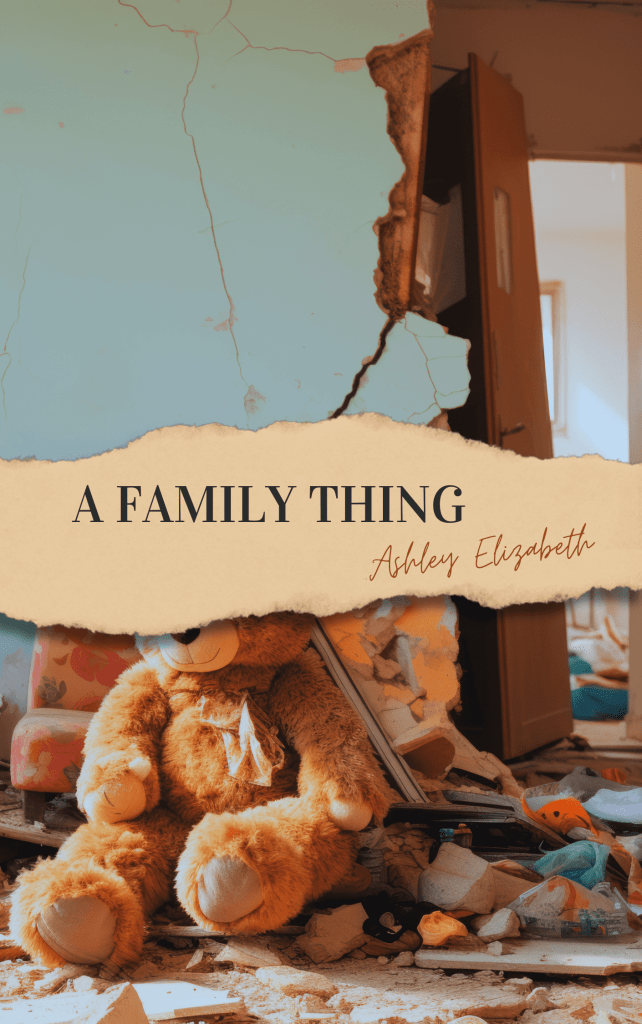
A Family Thing by Ashley Elizabeth
This full-length poetry collection explores the trauma of childhood sexual assault, navigating the pain and resilience it takes to achieve solace and a sense of self. It is available from ELJ Editions.
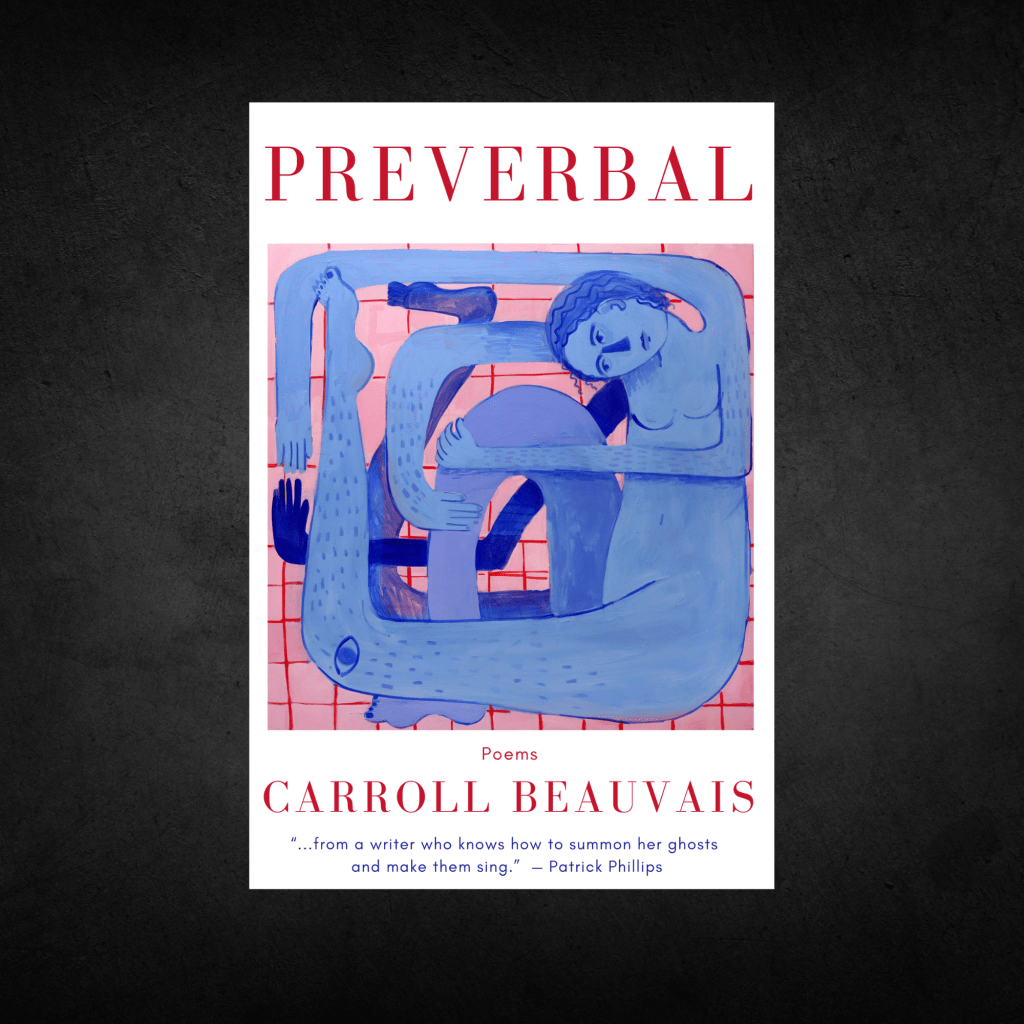
Preverbal by Carroll Beauvais
Preverbal by Carroll Beauvais follows the loss of two parents and the consequences of that trauma for the rest of the speaker’s life. The manuscript was inspired by both What My Bones Know by Stephanie Woo and The Body Keeps the Score by Bessel van der Kolk (the latter a somewhat controversial figure in the space despite the very popular book.).
Launching the narrative with the discovery of a gray hair, the eldest daughter reflects on her life so far, not expecting to have made it this long in life. The rest of the collection asks a simple question: is it possible to move on after a haunted past? Published by Unsolicited Press (buy from indie publishers, please!). Buy it here.
Fiction
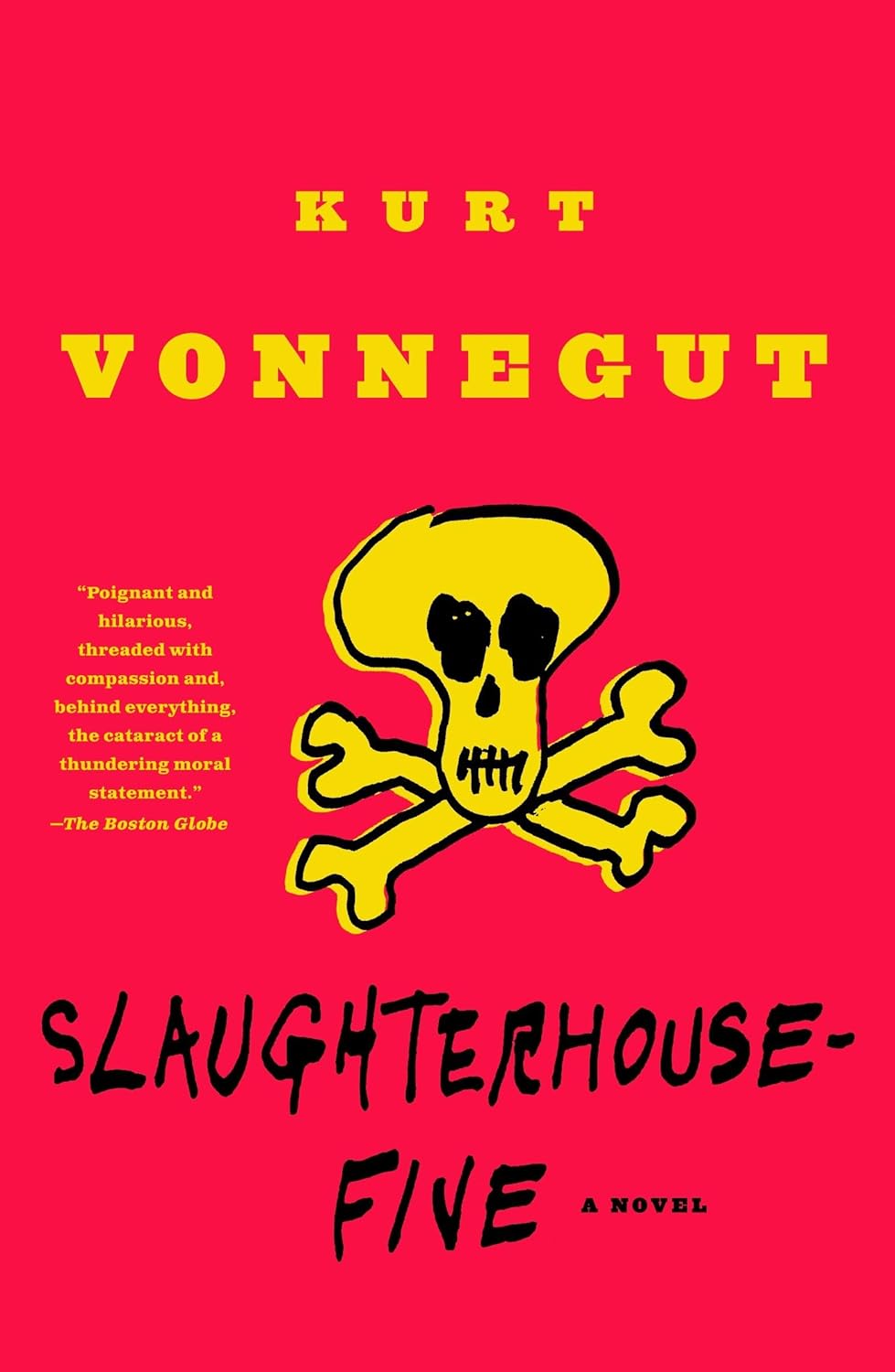
Slaughterhouse Five by Kurt Vonnegut
Literary Hubcalls it the “ultimate PTSD novel,” so it had to be included in this list. The novel follows Billy Pilgrim, a man who experiences his life out of logical sequence due to his time serving in World War II as a soldier and chaplain’s assistant. Each chapter explores a part of his life, except it shifts the reader from birth, to death, to midlife, to obscure parts of Billy’s life. Billy also confronts his line of thinking after being abducted by an alien race called the Tralfamadorians, though their legitimacy is left ambiguous between a genuine experience Billy has and a coping mechanism for his PTSD. The Tralfamadorians view time all at once as opposed to a linear sequence of events. Vonnegut himself served in the military during World War II and suffered from PTSD as a result. Purchase the classic novel here.
The Yellow Birds by Kevin Powers
The Yellow Birds by Kevin Powers is considered one of the greats of contemporary war fiction for its realistic portrayal of loss of innocence and the coping that follows. The main character, John Bartle, experiences intense guilt over a fellow fallen solider. The novel follows Bartle’s own struggles with depression, darkness, memories, and more. Fragmented syntax and intense imagery mimic the experiences of post-war PTSD throughout the book. Powers himself is an Iraq war veteran and drew from his own personal experiences after returning home from Iraq. Purchase now from Bookshop.org.
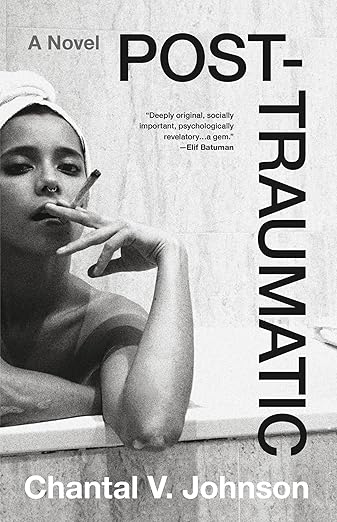
Post-Traumatic by Chantel V. Johnson
Long-listed for the Center for Fiction’s First Novel Prize, Johnson’s debut novel came out in 2022. The main character, Vivian, is a wildly successful lawyer who advocates for mentally ill patients at a NYC psychiatric hospital. Privately, she battles her memories of her childhood and the realities of being both Black and Latinx in America. The novel is described as sharp survivor narrative.
I cannot find confirmation that Johnson herself has CPTSD, but her love of Plath and Woolf and her dedication to the characters makes me want to include this book in this list for its dedication and seemingly accurate depiction of CPTSD. Read her PEN America interview here. Purchase it here.
Nonfiction & Memoir
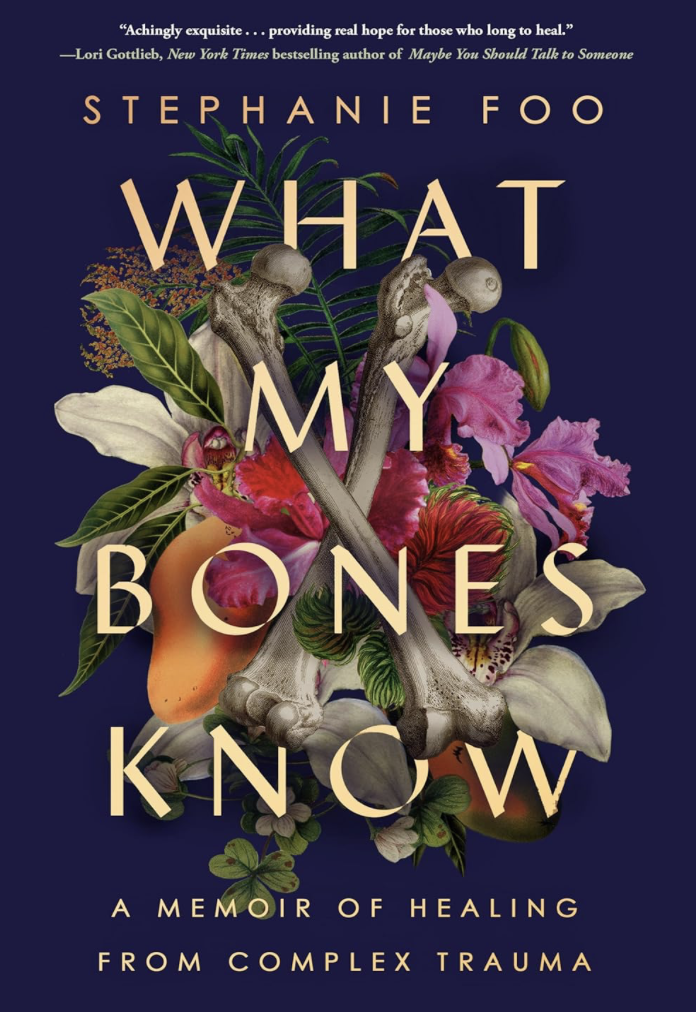
What My Bones Know by Stephanie Foo
What My Bones Know by Stephanie Foo is a memoir about Foo’s own long process with healing from significant childhood trauma. At thirty, she has it all, including a lucrative job but still has panic attacks and crying fits every morning at her desk. Her life should be perfect, yet the complications of healing complex trauma take time, effort, and grace for yourself. In an effort to understand herself and her condition, she pursued the limited information about CPTSD from psychologists and scientists while also investigating the role of immigrant trauma within a community.
I consistently keep seeing this one appear on lists as a complex PTSD book that is truly one of the best out there.
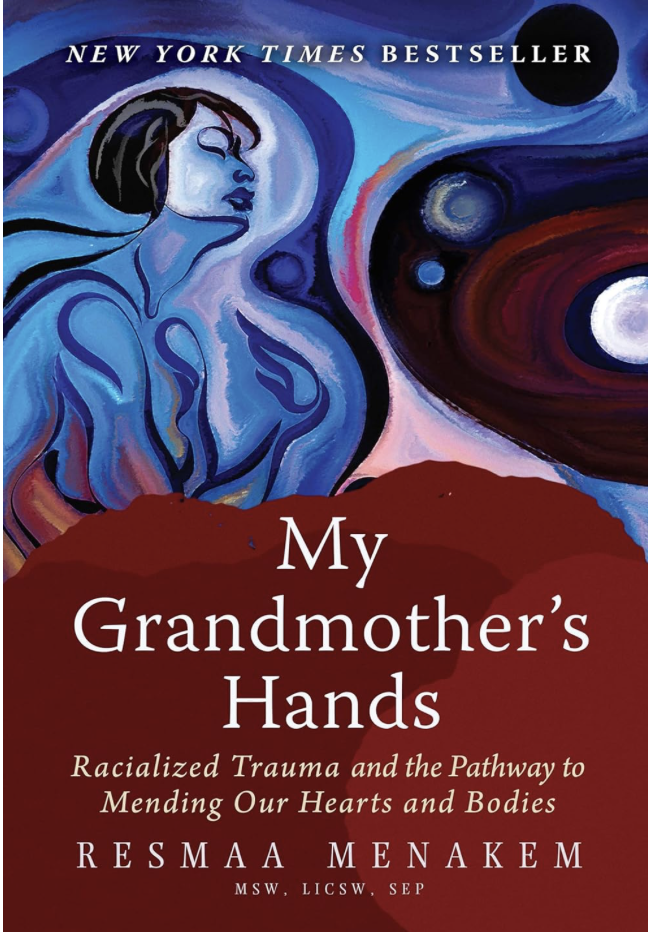
My Grandmother’s Hands: Racialized Trauma and the Pathway to Mending Our Hearts and Bodies by Resmaa Menakem is a deep dive into how systematic racism causes trauma to not only Black Americans, but White and “blue” (police) Americans, too. The argument is that white supremacy deeply harms us all, and the solution to uproot deeply seated trauma is to triumph over the rhetoric and somatic pressure the ideology puts us all through and to release it.
Menakem has not confirmed a diagnosis of PTSD, but he is highly knowledgeable with a deep understanding of the systemic issues that contribute to PTSD and how the body holds it. He studied at Peter Levine’s Somatic Experiencing Trauma Institute and teaches workshop on Cultural Somatics.
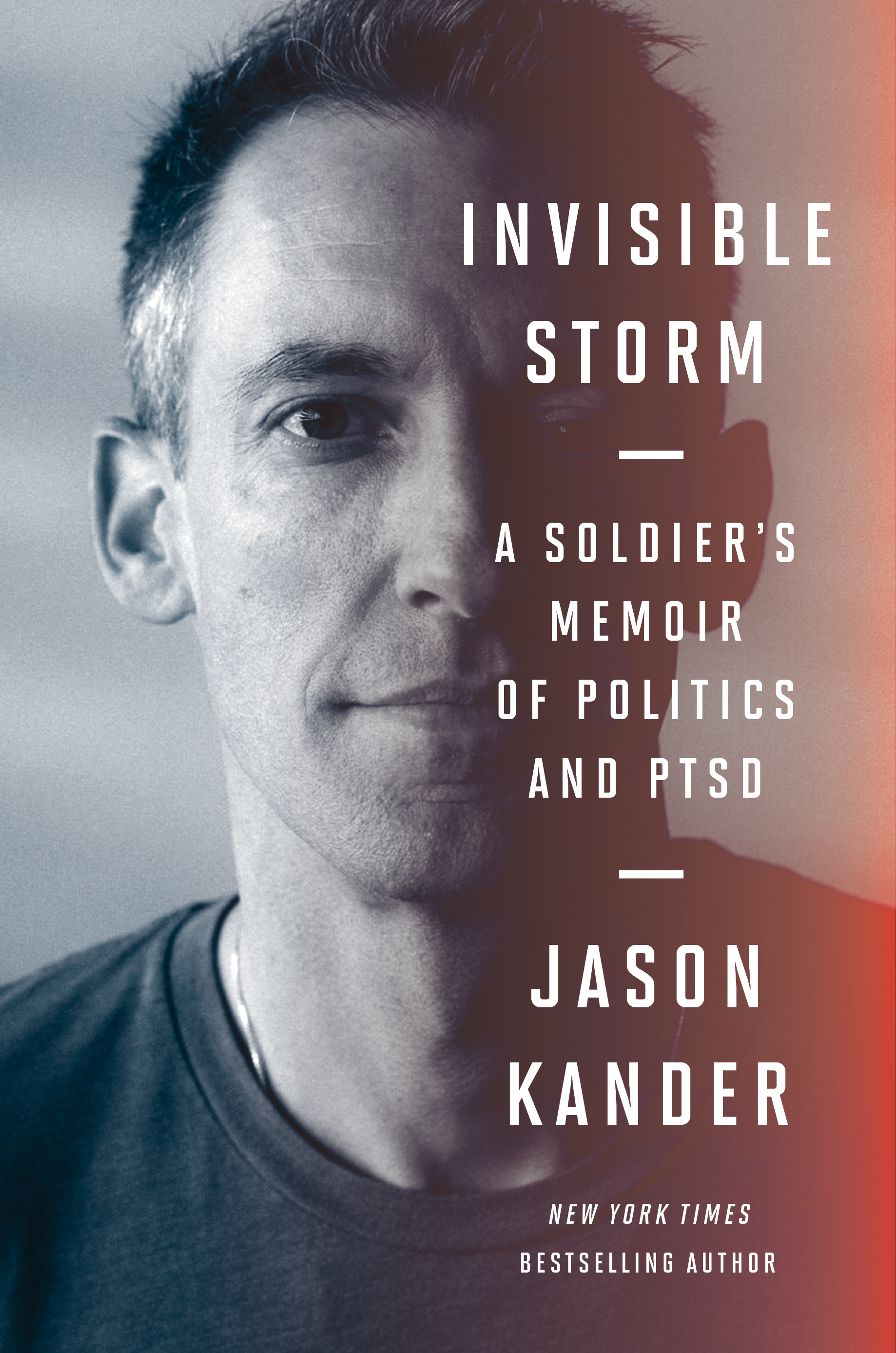
Invisible Storm: A Soldier’s Memoir of Politics and PTSD by Jason Kander
Highly praised by figures like Wes Moore (author of The Other Wes Moore), Invisible Storm: A Solider’s Memoir of Politics and PTSD by Jason Kander is a frank look at the impact of PTSD even a decade later. Kander was prepped for a landslide victory in his mayoral campaign in Kansas City, but withdrew after experiencing the fallout of undiagnosed PTSD. The rest of the memoir is a candid look at Kander’s efforts to recover and face the hard decision of walking away for his own health.
There are plenty of reasons why self-guided writing courses work for so many writers. Busy, unpredictable schedules are just a fact of adult life. Some people prefer to learn in the comfort of their home or in a bustling cafe on a Sunday morning. Think of the Hermit, the introspective tarot figure that encourages you to look from within for the answers. No matter where you are in your writing journey, there are many options to supplement your education.
For me, self-guided writing courses provided me a space to learn even when I was bedridden from illness and bored or downright lazy. Visualize me in pajamas with a box of store brand tissues by my side, some tissues shoved up my nose, trying to write a poem in a tiny notebook, then you can believe that learning can be done under any circumstances.
Psst…if self-guided writing courses aren’t your jam or jelly, there’s plenty of other writing class options out there, including in-person, live Zoom, or interactive online courses with other participants. Check out ones that offer scholarships and discounts here.
Self-Guided Courses for Writers
LulLabies & Alarms
Elisabeth Blair offers writing classes and workshops that are self-paced through her website Lullabies & Alarms. Self-guided courses are offered on Wet Ink, the platform for creative writing courses. Right now, she is offering a course called “Our Liminal Minds: Writing from Our Own Galactic Outer Rims” that sounds…SO cool. For $100, you can go through the course at your own pace.
You must email her to register for the course.
Muse Writing & Creative Support
Run by Joanna Penn Cooper, Muse Writing & Creative Support offers several courses per season. On occasion, she’ll throw in a self-guided course through Wet Ink that writers can enjoy at their own pace. They often have great angles and themes, so there’s a direction beyond just your typical fiction or poetry workshop. I was a big fan of The Call: A Self-Guided Course on Creative Witness.
While it doesn’t seem like the site has any available right now, keep an eye out for more opportunities to join a self-guided writing course.
Poetry Barn
Poetry Barn has a barnyard full (yes, I had to) of poetry courses, including self-paced writing workshops. You can even filter the options for self-paced courses on the website. You can choose from topics such as Queer Poetics, 30 Poems in 30 Days, Journaling for Poets, and so much more. Click here to explore your options.
Be mindful when you type this into Google to not accidentally click on the Pottery Barn ads. You think I’m kidding. But I am not.
Hugo House
Hugo House offers a plethora of online and in-person courses for people around the world. Based in Seattle, this nonprofit has so many innovative courses to take and enjoy. With that said, there is only one asynchronous writing course, which is the Writer’s Welcome Kit. You can expect online workbooks, excel spreadsheets, and other resources to get started with your publishing journey.
DIY MFA
It is a truth universally acknowledged that MFAs can be competitive, expensive, time-consuming, heartbreaking, or all of the above. If you are fortunate enough to get into an MFA program that is fully-funded and have the time and means to pursue it, do it. But for many, these programs are difficult to get into or inaccessible for many people.
That’s where DIY MFA comes in. Both a book and a company/concept, DIY MFA runs on three main principles: write with focus, read with purpose, and build your community. While not a true “self-guided course,” the book is similar to this journey, including graduate-level techniques and skills you can use to boost your writing. The website has various articles and resources to focus on refining your craft. The Facebook group hosts events every Sunday evening for those who wish to attend, including curated sessions on certain poets, themes, and more.
If you decide to attend an MFA program later, you already have the skills and tools to upgrade your writing and be prepared for in-depth workshop time.
The Artist’s Way by Julia Cameron
Calling this a self-guided course is…bold. I know, I know. It’s more like an experience or a total mind flip. But when writing this blog, how can I NOT include the quintessential artist’s guide to transforming their art, writing, and way of being?
I’ve been seeing this book trending on TikTok even though it was originally published back in 1992. (Yes, that was over 30 years ago.) The verdict is in: it is one of the most influential books for your craft you could own. No matter your craft, any writer or artist can benefit from the gentle affirmations and exercises the book includes.
At the very least, you can take one of its most common and poignant practices: “Morning Pages.” I don’t know of any of my mentors who went a day without morning pages to spill their thoughts and ideas. Give it a try for a week and see how it changes your approach and practice.
Do you loathe self-guided courses? Or just looking for all of your options?
I get it. There are some times in my life when I need someone to be my accountabilibuddy. (Is that the spelling? It’s not a real word, but I’m still concerned.)
If you’re looking for a teacher in the Richmond, Virginia area or are cool with a virtual writing teacher to be your guide, I host many workshops with constructive critiques and personalized feedback from yours truly.
Head on over to my Events & Workshops page to see what I’m currently offering. If you don’t see anything you’d like, reach out to me and we can talk about 1:1 or private workshops for you or bigger groups.
Or if you just want to send me suggestions to add to this list, I’d love to hear from you.
Representation of all kinds of humans is important. In books, there’s been a push to have more characters with accurate representations of mental illness. All too often, books will rely on stereotypes or depict a character with mental illnesses without doing proper research. Stay faaaaaar, far away from those.
On the other hand, there are also plenty of books that make a character’s mental illness the entire focus. While there is nothing inherently wrong with accurate, well-written books with mentally ill characters, sometimes you just want an interesting plot without mental illness being the primary focus. Or you’re curious to see how a mental illness looks when characters have managed it with coping skills or medication. Either way, it’s worth seeing more mental illness representation in new and accurate ways.
Where are the YA Characters with Mental Illnesses That Don’t Dominate the Plot?
Young adult books are often guilty of this. It isn’t wrong or awful to have books that focus on mental illness. Actually, it’s helping push more productive discussions of mental illness into mainstream conversation.
But teens also need books that have characters managing their conditions without it dominating the entire plot.
Thankfully, more books are coming onto shelves and filling that demand. It’s hard to know the accurate number of books with the combination of mainstream and self-published options available, but finding books featuring teens with mental illnesses is getting easier every day. Here are some of my own suggestions when it comes to young adult books mentally ill characters…without mental illness being the focal point of the story.
Truly Devious by Maureen Johnson
This suspenseful, dark academia-themed murder mystery book is perfect for readers looking for a main character with anxiety and panic attacks, but still manages to stay on the case until the very end (warning, it’s a cliffhanger).
Without spoilers, Stevie’s passion for true crime takes front and center in this book, but does not ignore her anxiety. Her experience is very relatable and shows that her entire life isn’t dominated by her panic attacks while being realistic about her struggle. The rest of the book is primarily focused on the mystery at hand and developing the characters…AKA, potential murderers.
Horrid by Katrina Leno
Several characters in the book struggle with anger issues, including the main character Jane. It’s also implied that Jane has pica, or a compulsion to chew or eat objects that are not food. Her target tends to be pages of books or flowers.
Though her anger and grief over a family member’s death make up a large part of the novel, her illnesses are more there as a side note as opposed to the primary focus. The novel leaves room for questions about how much Jane’s conditions may have affected her actions.
Like Truly Devious, we’re left on a cliffhanger-like ending, but there doesn’t appear to be any plans for a sequel. It seems more like an ambiguous ending where the reader decides what really contributes to the events.
Six of Crows by Leigh Bardugo
The Six of Crows Duology reinvented what fantasy could look like. Bardugo has received well-deserved praise for her fantasy series featuring six astounding characters. Besides tackling ableism from learning disabilities and physical disabilities, Bardugo also masterfully weaves in characters with implied PTSD.
As Alaina Leary wrote in Brooklyn Magazine, “Bardugo writes in multiple perspectives, which does a great deal of justice to her characters’ lived experiences.” This gives all of the characters much more nuance and room to be their whole selves, emphasizing that while disabilities (mental or physical) are a big part of their lives, there is still much more to be seen in their character and the story itself.
Want to see more books like this added to the list?
Keep an eye out for updates and feel free to recommend any books you’ve loved that fit the criteria!