


Obsessive-compulsive disorder (OCD) affects 1.2% of the U.S. population and around 2% globally. Many people associate OCD with being organized and excessive cleanliness. In reality, OCD is categorized by obsessive thoughts and behaviors that can manifest in many different ways. For me, I have on on-and-off again fear of death and compulsions related to avoiding death. (I talk a lot about this in my essay in The Ear.) For others, this could mean unplugging every device from an outlet before leaving the house to prevent it from burning down.
No matter what it looks like, listening to the experiences of people with OCD is essential for understanding just how difficult the condition can be. Below is a growing list of books written by authors with OCD about OCD. The latest version of this blog was updated in June of 2022.
Nonfiction and Memoir
The MAn Who Couldn’t Stop by David Adam
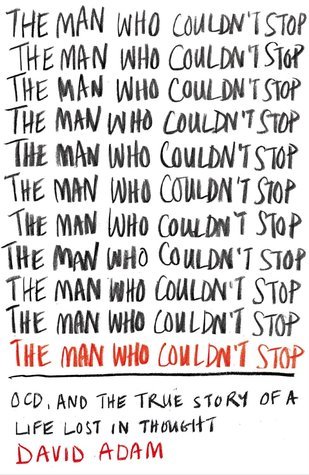
Part memoir, part scientific investigation, Adam uses his own experiences with OCD (over 20 years of it) and stories from around the world, Adam bravely explores the darkest parts of our mind and questions what exactly defines mental illness.
Under My Bed and Other Essays by Jodi Keisner

While not explicitly about OCD, Keisner’s essay collection addresses the roots of women’s fears, starting with her own ritualistic behaviors. The essays are a combo of both literary and experimental pieces for a unique reading experience. You can preorder the paperback version now through the University of Nebraska Press website.
Because We Are Bad: OCD and a Girl Lost in Thought By Lily Bailey
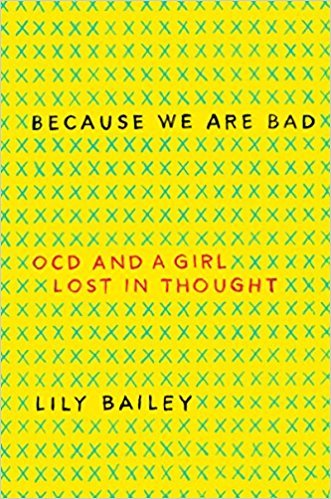
A lyrical memoir on Bailey’s experiences throughout childhood with OCD. Convinced from a young age she was capable of murdering others with “incorrect” thoughts and excessive, repetitive routines, the memoir progresses into a story of persistence and recovery as Bailey ages. This book is often recommended for fans of Girl, Interrupted and Brain on Fire.
Obsessed: A Memoir of My Life with OCD by Allison Britz
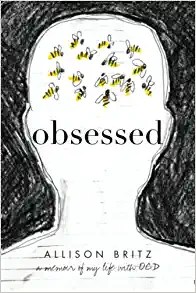
This memoir is perfect for a young adult, Britz setting the stage during her sophomore year of high school. After a dream convinces her that she will get brain cancer, she does everything in her power to prevent it. Soon, her avoidant behaviors prevented her from stepping on cracks and touching her own personal belongings. This memoir tells an interesting perspective about how a girl who “has it all” had to fight to get her life back and save her future plans from disintegrating. The book acknowledges that finding help and healing are very possible.
Poetry
Living in the Brambles: A little book of poetry about my personal experiences with OCD, Depression, and Anxiety by Suzi French

This debut, multi-faceted collection from French includes both form poetry such as haiku and traditional rhyming poetry. A quarter of the sales go towards MIND and OCD UK.
Captive: A Poetry Collection on OCD, Psychosis, and Brain Inflammation by Madeline Dyer
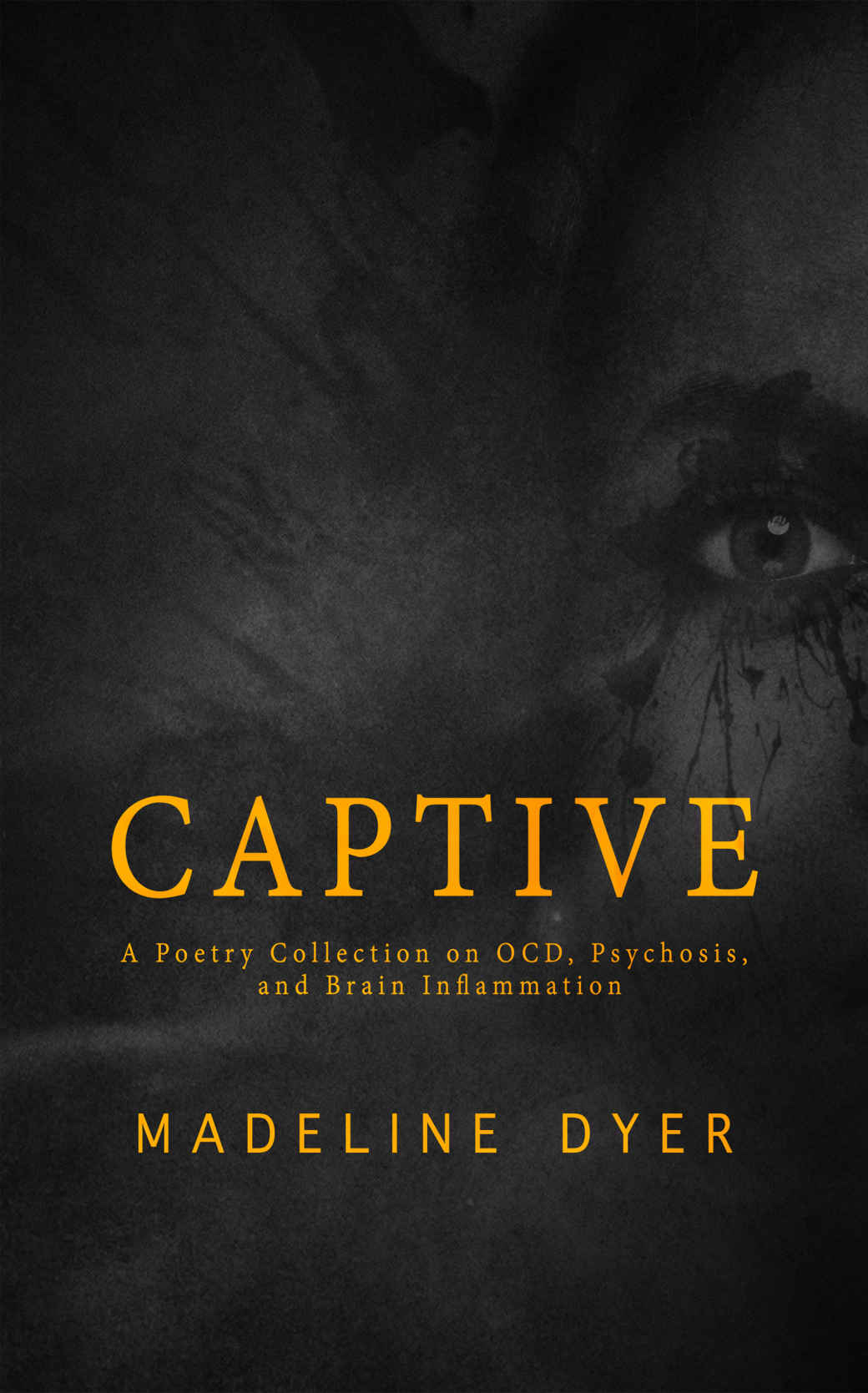
Dyer’s OCD was a result of Autoimmune Basal Ganglia Encephalitis, an unusual disease that causes brain inflammation. The collection details her time in therapy while experiencing both psychosis and OCD. While it is a collection of poetry, this can also count as a poetic memoir about Dyer’s experiences.
Fiction
Turtles All the Way Down by John Green

John Green is widely-known for his YA romance and adventure novels alongside his quirky YouTube and TikTok content. Turtles All the Way Down has received a lot of positive praise for its portrayal of OCD and has connected with many YA readers across the globe. Like all of Green’s books, the premise rides on a grand adventure and once-in-a-lifetime event. This time, it’s a billionaire and a grand cash prize. The novel is a perfect exploration of OCD as well as the nature of relationships when suffering from the condition.
OCDaniel by Wesley King

King wrote OCDaniel based off of his own childhood experiences with OCD. As a result, the book is an empathetic look at a 13 year-old keeping his OCD a secret for as long as he can. With the help of a new friend, he becomes more confident in himself. Though OCD symptoms can manifest as early as 7 or 8, King notes in his interview with the CBC that he received pushback about talking about OCD with younger and middle grade children for being “too early” for them to know about mental illness. I don’t know about you, but being told I shouldn’t read something makes me want to read it more. As someone with OCD, I can assure you I would have benefitted a lot more from knowing about OCD earlier than later. So make sure you pick up this book for yourself and any middle graders in your life.
Anthologies
Check Mates: A Collection of Fiction, Poetry, and Artwork About Obsessive-Compulsive Disorder by PEople with OCD
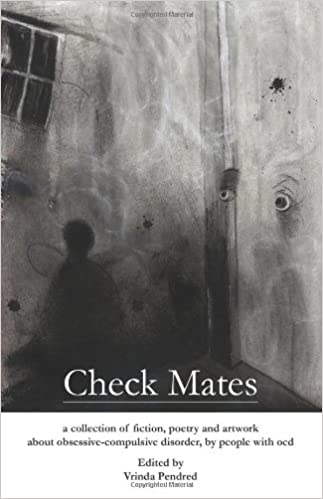
A true representation of OCD means acknowledging that no one case is the same. This anthology features creatives with OCD and their work about OCD. There are a variety of pieces throughout the book to explore the condition, so if you’re looking for broad representation, this collection may be the answer.




 Gretchen Gales