Gretchen’s October Newsletter

Photo by Kadri Vu00f5sumu00e4e on Pexels.com

I really didn’t go Trick-or-Treating much as a kid in the traditional sense. That’s because the razor blade apple rumor had already hit my community. So instead, I got to Trick-or-Treat at my relatives’ houses.

I have memories of getting to pass out candy at my aunt’s house every year. But as the years went by, the Trick-or-Treaters were trickling in slower, until maybe one or two came by every year. In my own house, I have only had one come each year. I end up using the candy to give out at school as rewards for the students. 

Growing up Baptist, I was probably one of the guinea pigs for the launch of “Trunk-or-Treat.” If you’re unfamiliar with the concept, people gather in a parking lot (typically a church one) and pop open their trunks. They decorate them with fall and Halloween-lite decorations. Think scarecrows, pumpkins, and other decor you would find at Hobby Lobby and not Spirit Halloween. 

When I was in 5th grade, I got into an argument with my mother about a costume I wanted to wear to Trunk-Or-Treat: a bedazzled devil costume. Mom explained to me in every way possible why this was a terrible idea. I still didn’t get it. I just knew it was shiny and I looked cool. Eventually, I settled on being a spider countess from Party City, but I’m certain I told every attendee there what my true costume was supposed to be. 

Now that I can’t haunt the local churches or neighborhoods for candy, I try to find something fun for me to do. I am keeping an eye out for Halloween parties and local events…besides my own. I’ll be hosting several sessions at Quarry (no costume required, but it would be cooler if you did). See them below along with other news. 

Upcoming Classes and Events

Take a class or come see me at an event! Here’s what’s happening…

Richmond Zine Fest

FREE – October 11th, 2025. 10am to 4:30pm. Come out and see me at my table and see the events and workshops happening the day before! It is completely free to attend, but bring cash if you’d like to purchase goods from the vendors in attendance.

Quarry Workshops

person holding blue and white tread
Photo by Jasmin Schreiber on Unsplash

Quarry Workshops (In-Person)

In the Richmond, Virginia area? Keep an eye out on the Quarry website for my craftier offerings! Each class is $15 each. If you plan on attending multiple Quarry events, get a membership! Here’s what I’m offering in October…

October 4th, 4pm to 5:30pm – Astrology + the Arts – Libra: We’ll be learning all about the zodiac sign Libra, its archetypes and symbolism, and making a zen garden.

Sign Up Here

October 11th, 6pm to 7:30pm – Make a Spooky Terrarium: You’ve heard of regular terrariums. But those don’t have ghosts in them. Let’s make some that do. All supplies provided.

Sign Up Here

October 19th, 12:30pm to 2pm – Make Kid-Friendly, Spooky Zines: Want something else other than candy to pass out during Halloween? Or do you just really want to make a ghost zine? Come on out to this workshop where we’ll explore different zine types and get to make our own little spooky zines.

Sign Up Here

October 24th, 6pm to 7:30pm – Decorate Your Own Trick-Or-Treat Bag (KID FRIENDLY!): Haul your candy in style! We’ll be making our own canvas bags you can bring on your spooky adventures. Kids 5+ are able to join to stamp and draw with fabric paints on their bags.

Sign Up Here

Oracle Card Writing Class w/ Quail Bell

October 25th, 2025. 10am to 12pm. Tarot and oracle cards can inspire and guide our intuition and creativity. Whether you’re looking for a new way to journal your experiences and feelings, or just need a new approach to writing your next novel, there are SO many ways to use the cards to inspire your next project.

Join Quail Bell’s executive editor Gretchen Gales and learn new ways to generate writing of any genre with basic spreads and writing exercises you can use again and again. For writers and tarot/oracle lovers of any experience level!

Sign Up Here

Featured Poem: Fade Out

macro photography of orange and black bug perching on plant
Photo by Sue Thomas on Unsplash

I have such a hard time not focusing on the next poem I “should” be publishing or the next piece of writing I “should” be doing that I forget to appreciate old work. This poem will soon be republished in The Cognitive Review for their Grief Issue, so I wanted to reshare it from the original publisher. It is currently part of a collection of poems I haven’t sent out yet as a manuscript, but I hope to refine it soon and find a proper home for it. 

Anyhow, here’s “Fade Out” as it appears in Cathexis Northwest Press with my recording. 

Featured Blog Post: Books About OCD Written by Authors with OCD

white and brown cat print textile
Photo by Annie Spratt on Unsplash

I’m honestly not sure why now everyone has discovered this post (thank you, SEO, I guess?), but this is the first in a series I hope I complete sooner than later. I want to include anxiety, bipolar disorder, BPD, depression, and other lists people can access. Each list will include fiction, nonfiction, and poetry. Read the first on OCD below.

OCD Books

5 Book Series for Kids Who Hate Reading

Photo by Kindel Media on Pexels.com

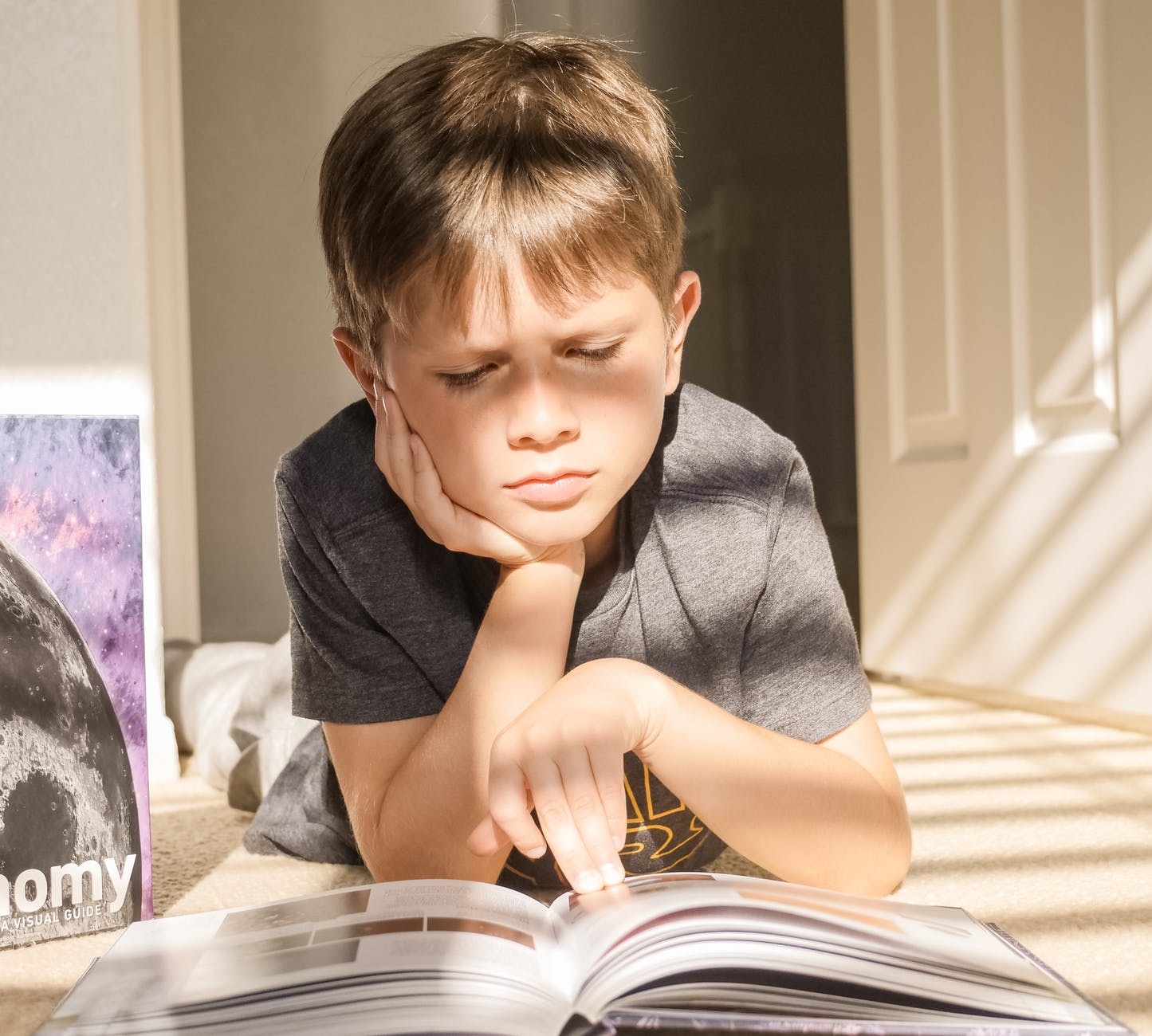
Throughout several decades, the world has seen a decline in the number of children reading for fun. As a matter of fact, the amount of kids reading for pleasure has fallen to their lowest since the 1980’s. In a survey conducted by the National Assessment of Educational Progress, children ages 9 to 13 were asked about their reading habits, particularly if they enjoyed reading for fun. 42 percent of 9 year-olds said they read for fun almost daily, but this is down from 53 percent in 2012. For 13 year-olds, only 17 percent reported they read for fun daily, a sharp decline from the 27 percent in 2012. While the study for 17 year-olds was unable to be conducted due to the pandemic, it isn’t hard to imagine that many kids’ reading habits have declined over the years.

The pandemic has made everyone’s concentration and mental health decline, the decline we are seeing in children is particularly worrisome. Besides the “learning-gap” caused by the abnormal years, kids are missing out on developing essential skills. Reading fiction alone has been proven to enhance a person’s social cognition abilities, or the part of the brain responsible for interpreting feelings.

Finding books for your kids to read can be tough, but not impossible. It normally comes down to having your kids pick their own books and finding suggestions of popular book series many kids easily relate to. The books in my list are a great starting place, as many of these series were books that interest my own students or even some of my closest friends growing up.

Diary of A Wimpy Kid Series by Jeff Kinney

Despite being so close to adulthood, so many of my reluctant high school readers will fight over who gets which Wimpy Kid book next. The series, with over 250 million books sold to kids of all ages, follows Greg Heffley and his hilarious misadventures as an every day kid. The series is targeted at ages 8 through 12, but anyone can relate to the struggles relating to family, friends, and changes happening during those dreaded middle school years.

The books also include illustrations to demonstrate Greg’s various predicaments. Never underestimate the power of a few black-and-white illustrations to get students interested in the material.

If your child or students have already gone through all of the Wimpy Kid books, Kinney has also written a spin-off series with Rowley Jefferson, one of Greg’s friends. The Awesome Friendly Kid series is still humorous, but with Rowley’s more wholesome, if not naïve, perspective.

The first three books have been turned into movies, so make it an incentive to watch the movie after reading the books to see all of the differences.

Big Nate by Lincoln Pierce

If your kids or students have already gone through every Wimpy Kid book, Big Nate has another middle school protagonist just trying to survive his “tweenage” years. These books are mostly made up of comic strips of Nate’s adventures at school, so it is more of a comics collection than a traditional book. Even so, these books helped inspire the Wimpy Kid books, so you know they’re doing something right.

There are now books with words and pictures in the style of the Wimpy Kid books for even more adventures with Nate and more content for kids to enjoy.

PErcy Jackson and the Olympians by Rick Riordan

I have proof of this series turning non-readers into devoted bibliophiles. My best friend of 15 years first got into reading when our history teacher read us The Lightning Thief as we learned about Ancient Greece. Without that opportunity, her love of reading may have blossomed much later, maybe never at all. Thanks to the series, I’ve maintained an interest in Greek mythology and use it to write poetry, create fun lesson plans, and to simply read even more interpretations of various ancient stories.

The Percy Jackson and the Olympians series by Rick Riordan uses modern interpretations of the Greek gods, exciting lore, and relatable kid characters allows for readers’ imaginations to flourish. They are also action-packed, leaving no room for boredom. The six books won’t seem like enough to the first-time reader.

Riordan has since expanded the series into an empire of books: The Trials of Apollo, The Kane Chronicles, The Heroes of Olympus, Magnus Chase, and Daughters of the Deep. Riordan has also invited other authors to write on their own history’s folklore and mythology with his imprint Rick Riordan Presents. From Aru Shah to Tristan Strong, kids can meet even more characters from other cultures while still getting the exceptional action of the Percy Jackson series.

I SURVIVED Series by Lauren Tarshis

My classroom library doesn’t have I SURVIVED books for that long. That’s because students are always clamoring to get them. This series tells short, gripping tales of kids who survive historical events. Some of the books are also available as graphic novels and translated editions to reach even more kids. A few of the historical events included in the series include:

  • 9/11
  • The Eruption of Mount Saint Helens
  • The Galveston Hurricane
  • The American Revolution
  • The Nazi Invasion
  • The Joplin Tornado

Pair these books in a history unit or suggest them to readers who enjoy short and fast reads.

Ranger in Time by Kate Messner

While Ranger in Time is marketed for kids ages 6 to 10, kids of any age can appreciate a time-traveling golden retriever. Like the I SURVIVED series, Ranger in Time centers on a unique time period to educate readers about what it was like living during those events…with a dog. Ranger is a relatable character to kids who are struggling because he is constantly getting distracted during his training. But his distractions normally turn into action-packed accidents. When chatting with Messner at NCTE 2019, she mentioned how even high schoolers gravitate towards the books, making these a good pick for picky readers. Besides, who can say no to a cute dog?

Looking for More Ideas?

If none of these books are a match, fret not. Finding the right book can take time. I’ve posted this list on other blog posts, but they’re still just as helpful and relevant here.

ELEMENTARY AGE BOOK BLOGS

CeCeLibrarian’s Book Blog

This Picture Book Life

Blazer Tales

MIDDLE GRADE BOOK BLOGS

Teachers Who Read

Books in the Middle

Books. Iced Lattes. Blessed.

YOUNG ADULT BOOK BLOGS

The YA Shelf

Girl + Book

INCLUSIVE KIDS BOOKS BLOGS

We Need Diverse Books

Colours of Us

Disability in Kit Lit (no longer posting new blogs, but still a great resource!)

Multicultural Children’s Book Day

Teaching Tools: 5 Writing Prompts for Macbeth

Photo by Pixabay on Pexels.com

Macbeth is one of my favorite plays to teach. It’s short, but impactful. If you have an interest in teaching your students Macbeth, there are many ways to adapt your curriculum to fit their needs. Many adaptations of the play exist, including the classic text, graphic novels, movies, and more.

First thing’s first: you should have an arsenal of good, open-ended writing prompts for daily journals or short writing assignments. These are especially useful for classes who need immediate “real life” connections to the text. They’re also ready in a pinch if you have to find last-minute materials. I’ve assembled some basic, yet aesthetically-pleasing journal prompts to help guide written discussion. You may be surprised at what students come up with, so don’t forget to let them share their ideas out loud.

Caution: For prompts and other content relating to fortunes and spells, be conscious of your school community’s attitudes towards topics involving the occult. Some families are uncomfortable with anything related to these topics, so have an alternative assignment ready. For journals, tell them they can write on a different topic.

Books About 9/11 for Middle and High Schoolers to Talk About the 20th Anniversary

Photo by Ketut Subiyanto on Pexels.com

It’s tough to believe that 20 years have passed since 9/11. Even as a young child I can remember the fear and chaos from that day, even if I didn’t fully understand it myself. It was one of the first instances I can remember of the adults in my life being uncertain about what was happening and what would happen next. What’s even tougher to believe is that I now teach students who weren’t even born when 9/11 happened.

It can be hard for me personally to know what to say or how to describe what it was like that day. I was nearly six years old and only knew that things were terrifying and I couldn’t go to cheerleading practice. So I tell students if they ask or if it relevant to class discussions what it was like to remember the switch from feeling safe to feeling incredibly unsafe in a day. The entire world shifted. Now, I’m old enough to see major historical events I witnessed as a child in updated textbooks and as something considered as “historical fiction”, even though I still think 2001 was “just a decade ago”.

Plenty of media has been made in the last 20 years, but it has gotten easier to find more children’s and YA literature on 9/11. If you’re a teacher, a parent, or even a kid or teen looking for accurate, well-written books that explain what happened during 9/11, I’ve found several that could work in your favor.

Keep in mind that due to recent events in Afghanistan, there may be even tougher conversations about 9/11 and the U.S.’s involvement in the War on Afghanistan. Some of these books also have Afghani perspectives on having Americans in their country, but the majority of them focus on a more U.S. perspective. Other teachers have paired works by Malala Yousafzai or Khaled Hosseini to give a sense of how the war impacted civilians.

No matter how you use these books, they are certain to generate a valuable discussion.

How Kid’s Books About 9/11 Helps Their Understanding of the Event

Stories from their relatives or teachers give them a glimpse of what occurred as well as what they learn in their history classes. However, English Language Arts teachers know that books can open new pathways to productive dialogue and learning. Having characters their own age speak about their perspectives is a lot easier to understand than a documentary. When I assigned Refugee by Alan Gratz as a choice for a coming-of-age unit, a lot of students said how reading the stories of the three kids from each time period helped them better understand what was happening and why they had to flee their respective countries. Making history relevant to kids means giving them relevant experiences. And though most of us know why 9/11 is relevant and still impacts us today, those who were too young to remember it or weren’t even born yet need something to connect with that they can understand for the best impact.

Some of my favorite choices I’ve read or taught in some capacity are listed down below along with their advantages and limitations.

Ground Zero by Alan Gratz

I find Gratz’s books to be some of the most accessible historical fiction books for kids of many ages. Though the target audience tends to be around late elementary and early middle school, many of my high school students enjoy them as well. I will admit that sometimes they can have cheesy moments or oddly-phrased sentences that are meant to clue kids in on what is going on, but it’s nothing that takes away from the main focus of what happened and what the characters have to do to survive.

Ground Zero is one of Gratz’s newer books and takes place both during 9/11 as well as years ahead into the War in Afghanistan. The main characters include Brandon, a nine year-old boy who goes to work with his father in the trade center, and Reshmina, an Afghani girl whose family harbors an American solider named Taz. While Brandon fights for his life in the World Trade Center, Reshmina fights against her brother’s wishes to join the Taliban while hoping for a better world.

I won’t go into spoiler territory, though I will say that Gratz presents both characters fairly in their actions and why they choose to do what they do throughout the book.

Nine, Ten: A September 11 Story by Nora Raleigh Baskin

Unlike the other books I’ve mentioned, this middle grade level story tells the perspective of four different kids in different parts of the U.S. on the days leading up to 9/11. Each character has a unique story and why they are at different airports, but their stories are meant to weave together.

The ending was definitely appropriate for late elementary to early middle schoolers, enphasizing kindness towards everyone. This was put in contrast with the Islamaphobia towards one of the characters and their family in the book. But you’ll have to read it for yourself to know.

In the Shadow of the Fallen Towers: The Seconds, Minutes, Hours, Days, Weeks, Months, and Years after the 9/11 Attacks by Don Brown

Don Brown has a talent for breaking down historical events for readers to understand while also including a ton of relevant, reliable sources to bring the story together. He is probably best known for his graphic novel Drowned City: Hurricane Katrina and New Orleans, which captures the tragic events of Hurricane Katrina and its aftermath in Louisiana. In the Shadow of the Fallen Towers accomplishes an empathetic, truthful narrative of what happened that day in New York, Pennsylvania, and Virginia. It is short, but concisely reports the information with brilliant illustrations.

The only major downside is that the title is slightly misleading, as it spans just one year after the attacks and acknowledges events — such as the assassination of Osama bin Laden — in the notes at the end of the book.

Brown also wrote a graphic novel for the Actual Times series called America is Under Attack: September 11th, 2001: The Day the Towers Fell that is similar, but there is a much more personal feel to his latest book. For one thing, it begins from the perspective of a man who is there to film a documentary on FDNY and like Brown’s other books, follows a path of survivor’s statements. It does a wonderful job of showing just why America was angry while also acknowledging and condemning the rampant Islamaphobia in the aftermath. It also ends on a note of hope, which we can all use a little bit more of, right?

I Survived: The Attacks of September 11th, 2001 by Lauren Tarshis

One of many in the best-selling I Survived series, this book is perfect for elementary-aged kids or for older kids that like fast-paced and action-packed books. Recently, it has been adapted into graphic novel form. Both tell the story of Lucas, a boy who loves football and looks up to his father and Uncle Benny. Both his father and uncle are firefighters for the FDNY.

The book is honest about the events of 9/11 without, as one Amazon review put it, “sugarcoating” anything.

Other Teaching Materials to Pair with the Books

One or two books alone can do wonders, but giving kids the chance to see other sources to match the stories they are reading helps reenforce the knowledge they’ve learned.

9/11 Memorial & Museum Educational Materials

Pentagon Memorial Educational Materials

U.S. Department of Education

University of Pennsylvania: Teaching an inclusive history of 9/11

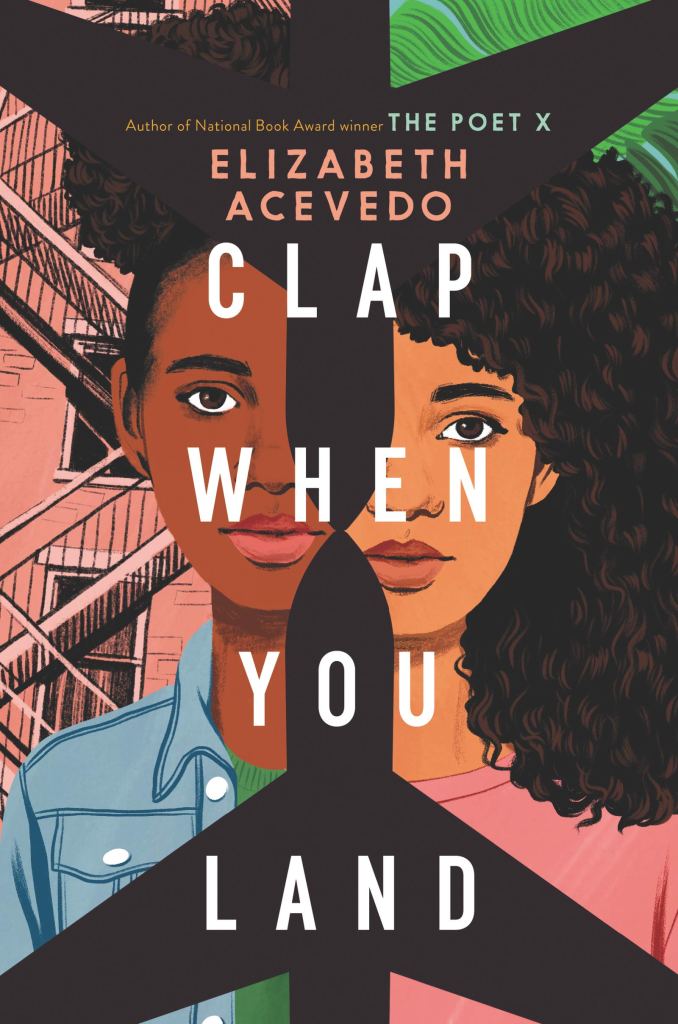
YA Book Review: Clap When You Land by Elizabeth Acevedo

Image Courtesy of HarperCollins

Clap When You Land is a stunning novel-in-verse following two half sisters…who are completely unaware of each other. Well, unaware until their father dies in a plane crash. Then things get complicated.

Those complications make the grieving process significantly harder, though it does take a while for both of the sisters to realize that the other exists. Set in both the Dominican Republic and NYC, Camino and Yahaira Rios are both struck by the tragic loss of their Papi and the secrets he kept from both of his families.

The book explores many topics: grief, secrets, LGBTQ+ relationships, misogyny, colorism, poverty, and so much more. The contrast and parallels of both Camino and Yahaira’s lives make for a fascinating and exciting coming-of-age book.

I listened to the audiobook narrated by the author herself, which brought her novel even more to life and read as intended. Acevedo also does distinct voices for both sisters and includes vibrant imagery in each verse, particularly when it comes to describing the sisters’ relationships or fond memories of their father. I particularly liked the way Camino describes the spiritual healing work her Tía Solana does throughout the book and how she uses her own gifts to help her community.

As for Yahaira, her perspective is similar to the avergage American teen, but what I love about her perspective is that her story often refers to her girlfriend, who is a source of comfort for Yahaira. As she grapples with Papi’s secrets, her girlfriend is there as a steady support system. It’s nice to see a relationship in a YA book well-established and not as a “solution” to grief, but still supportive and key nonetheless. Yahaira also feels guilt throughout the book for her the recent strains on her relationship with Papi, particularly over her quitting chess. I think a lot of kids can relate to feeling pressured to continue doing something for their parents, even if they don’t like it or feeling guilt for not continuing it. This is especially true for Yahaira as she struggles with her identity, like in this quote:

“Can you be from a place
you have never been?

You can find the island stamped all over me,
but what would the island find if I was there?

Can you claim a home that does not know you,
much less claim you as its own?”

From Clap When You Land by Elizabeth Acevedo

I keep revisiting many quotes from Clap When You Land because of their eloquent power, especially when it comes to Yahaira’s perspectives on how the world monetizes death or how Camino references saints and their ancient wisdom. There’s so much more I could gush about, but I’m too afraid to get into spoiler terroritory for the time being. If it wasn’t obvious, go read (or listen) to this book.

Fellow teachers, if you teach a coming-of-age unit, this is an excellent option for that as well.

How Do I Get My Kid to Read? Finding the Right Independent Reading Book for Your Child

A rectangular image of a desk with a stack of books on the left-hand side, a neon green cup of colored pencils, a red alarm clock, reading glasses, with an out-of-focus silhouette of a masculine-presenting child.
Photo by VisionPic .net on Pexels.com

In 2010, Google determined that 129,864,880 books exist on Earth. Think of how many more books exist 11 years later! Feeling dizzy just thinking about it? Thankfully, narrowing down the amount of books by your child’s interests and reading levels is much easier to do.

Still, it can be hard to know where to start. But I promise that while finding the right book for your child can be a long process, it’s not an impossible one. See some of my own techniques for finding books your kid can connect with and finally fall in love with reading.

Find books based on their favorite tv shows

One of the best things about children’s books is that there is probably a book adaptation or even extra stories created just for their favorite media. If your child loves everything to do with Disney, try some books from their Twisted Tales series. The books are retellings of their favorite stories in alternate universes.

Teens may love graphic novels or comic series that were the inspiration for shows such as The Umbrella Academy or Invincible. I’ve found that in recent years, manga has soared in popularity. Manga are graphic novels that are typically multi-volume and is often adapted into anime. While they can be pretty pricey per volume (to be fair, that’s a LOT of drawing to make just one book), the craze has inspired local libraries and other media services to have copies readily available with less wait time (and money saved for you!).

Listen to audiobooks together in the car

Look through descriptions of audiobooks through Audible, Libby, Overdrive, or Hoopla. Choose one that you believe you would like to listen to as a family. That way you can react to the book in real time while also having moments to talk about what you’re listening to. Remember to not force your way through listening to it if it doesn’t appeal to either of you, but especially for your child.

HEad to the library

Libraries are truly amazing places. Free Wi-Fi, classes, and other programs are all available to you and your community at no cost. Well, actually, some of your tax dollars, but hey, that’s all the more reason to go. You prepaid in advance, so take advantage of all it has to offer! Over a billion Americans do it each year, so you’ll be in good company.

When it comes to using the library to help find a good book for your kid, that’s what librarians are for! They have the latest knowledge on new releases and can recommend books for any kind of reader. You can also ask their teachers or school librarians for suggestions as well.

Read Kid Lit Blogs

“Kid Lit” is the affectionate term for children’s literature. They often have posts on the latest books, review of books, and so much more. Blogs by specific grade levels are listed below and I’ll add more as I find them. There’s always something new out there, so if you don’t find what you’re looking for with these blogs, keep checking!

Elementary age book blogs

CeCeLibrarian’s Book Blog

This Picture Book Life

Blazer Tales

Middle grade book blogs

Teachers Who Read

Books in the Middle

Books. Iced Lattes. Blessed.

Young Adult Book Blogs

The YA Shelf

Girl + Book

Inclusive Kids Books Blogs

We Need Diverse Books

Colours of Us

Disability in Kit Lit (no longer posting new blogs, but still a great resource!)

Multicultural Children’s Book Day

Don’t Give Up

I’ve mentioned before that it can be tough to find a book that resonates with some kids. Don’t be afraid to let kids read “below level” if they already have a hard time connecting with books. The more they read, the more words they know, the more books will be accessible to them when the time is right. I can guarantee you that if I didn’t have the foundation of plenty of chapter books, there is no way I would have enjoyed Jane Eyre when it was time to read it.

3 Stories to Teach for Women’s History Month

Photo by Nicole Berro on Pexels.com

As an English and history double major, storytelling is a major part of my life and the inspiration behind a lot of my writing. I also love incorporating these stories into my teaching whenever possible, and more than ever, our students need hope and strength. 

Looking to incorporate women’s stories that encourage students into your curriculum? These three stories can be used to inspire students across all secondary classrooms just in time for Women’s History Month in March and beyond.

Sophie Scholl and the white rose

Flickr | UNARMED CIVILIAN

For a story about standing up for what is right, no matter the cost, tell the story of Sophie Scholl and The White Rose. The White Rose was an underground resistance movement whose mission was to spread information about the heinous truths of Nazi Germany through informational leaflets. Each leaflet called fellow Germans to do what was moral and just. Unfortunately, all members were caught and executed for their peaceful resistance, but their words still inspire activists and people across the globe. 

Several books and films have been released about the story, including one by Sophie’s sister Inge Scholl. Plough Publishing House recently released a graphic novel version called Freiheit! The White Rose Graphic Novel by Andrea Grosso Ciponte, so it can be the perfect addition to your classroom library. 

Hidden Figures and the “Human Computers”

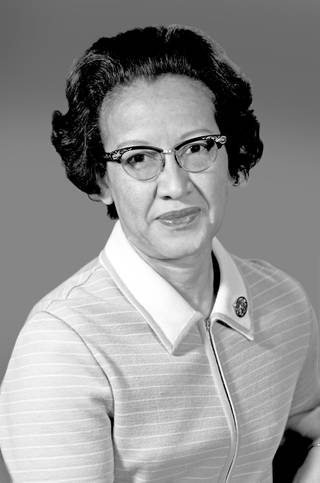
Katherine Johnson | Photograph by NASA

From 1943 to 1970, the Langley Memorial Aeronautical Laboratory in Hampton, Virginia inspired women to pursue careers in STEM and were pioneers of NASA’s early projects. Dubbed as “human computers”, the most recognizable names are Dorothy Vaughan, Mary Jackson, Katherine Johnson and Christine Darden. Their story, told by Margot Lee Shetterly’s 2016 book Hidden Figures, inspired many Black girls and women to pursue STEM careers. 

While the movie is also a wonderful teaching tool, the young adult adapted version of the book gives another accessible way to learn the story of the four women. Students may also look into Shetterly’s Human Computer Project dedicated to recording the histories of the women who made space exploration possible.  

MAlala Yousafzai’s Fight for Girl’s Education

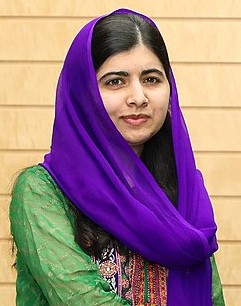
Malala Yousafzai | Wikimedia Commons (内閣官房内閣広報室)

Malala Yousafzai stunned the world when she was attacked by the Taliban and lived. But her fight for a girl’s right to an education is living women’s history. Not only is she the youngest recipient of the Nobel Peace Prize, she has written several bestselling books about her story that continue to inspire girls and women everywhere. 

Whether you want to do a book study on I Am Malala: How One Girl Stood Up for Education and Changed the World or read her children’s book Malala’s Magic Pencil to your class, there are many ways to introduce Malala’s mission to children of all ages. 

While there are many more examples of exceptional stories of women in history, these are a great place to start!

4 Tips for Teaching English Language Arts at Home

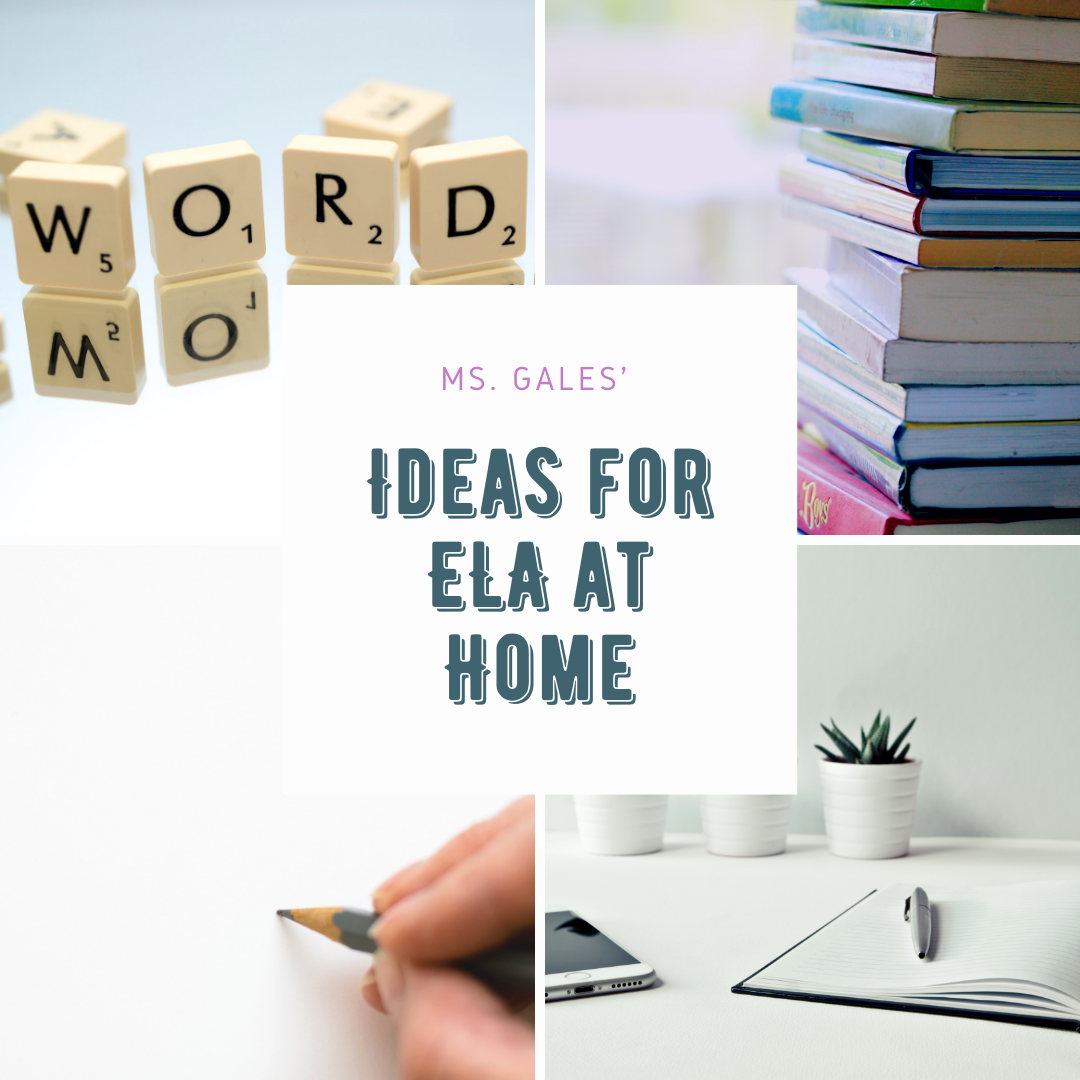
Whether you are having your child learn from home through Zoom or braving the world of homeschooling, fostering a love of reading and writing in them can be difficult. Without previous training in education or in English Language Arts instruction, many parents find themselves confused and frustrated. But don’t give up yet! I’ve put together 4 simple ways to help you teach English Language Arts from the comfort of your home along with sharable graphics to show your fellow homeschool friends.

Photo by Lum3n on Pexels.com

1. Have your student write for 10 minutes

This method is used by many ELA teachers in order to develop students’ writing. The only way to get better at writing is to write! Give them a choice of prompts, but don’t be afraid to challenge them with hard topics, too. Kids can surprise us with how insightful they can be when given the chance to express themselves.

That doesn’t mean it will go well the first time or even within a few weeks. Writing and being willing to write is a skill that needs to be developed over time. Let your student have days where they can write on any topic they would like and add pictures to illustrate their prompt.

Photo by Pixabay on Pexels.com

2. Have them read a book of their choice for 25 to 30 minutes.

Reading for 25 to 30 minutes a day can drastically improve reading comprehension. But the key is to let them read what interests them, whether it is a typical book or graphic novel. They can also read short sets of articles.

To find books for low to no cost, consider taking your child on a trip to a local thrift store, discount book store, or the local library. You can also download apps such as Overdrive or Libby, which both connect to your local library system, to check out e-books from the comfort of your home.

Photo by Faith Stocksey on Pexels.com

3. Use audiobooks and podcasts

Listening comprehension is equally as important as reading and writing comprehension and helps to engage reluctant learners. Like books, there are podcasts and audiobooks on a variety of topics your child can choose from and enjoy.

Subscription services such as Audible are great for audiobook options, but for cost-free options, consider downloading OverDrive, which in addition to regular e-books also have audiobooks to borrow for free to any device.

For podcasts, browse various streaming services or download podcast apps such as Castbox to find appropriate titles for your child. Some focus on a broad topic such as sports or true crime while others may be more focused and in a storytelling format.

Photo by Bruno Scramgnon on Pexels.com

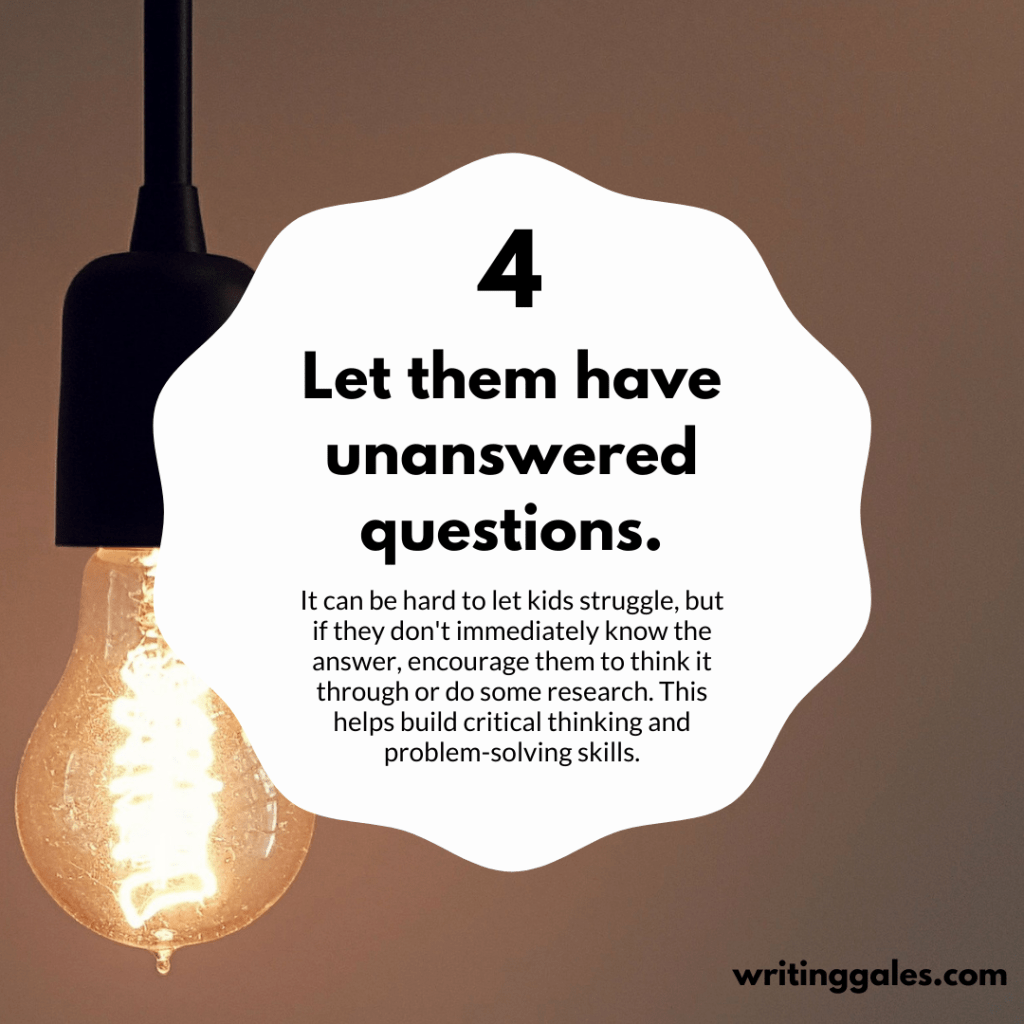
4. Let them have unanswered questions.

One of the biggest pitfalls that parents fall for is to never let a child struggle with an answer or not give them space to work through a problem by themselves. This can lead to a heavy level of dependence and more difficulties in their learning journey down the road.

This isn’t to say let them struggle all of the time, of course. It can be hard to let kids struggle, but if they don’t immediately know the answer, encourage them to think it through or do some research. This helps build critical thinking and problem-solving skills.

Want bite-sized, shareable tips for teaching English Language Arts? Check out the graphics I designed based off of this piece:

Still need guidance? Reach out to me for consultations or virtual tutoring services or consultations.