Gretchen’s October Newsletter

Photo by Kadri Vu00f5sumu00e4e on Pexels.com

I really didn’t go Trick-or-Treating much as a kid in the traditional sense. That’s because the razor blade apple rumor had already hit my community. So instead, I got to Trick-or-Treat at my relatives’ houses.

I have memories of getting to pass out candy at my aunt’s house every year. But as the years went by, the Trick-or-Treaters were trickling in slower, until maybe one or two came by every year. In my own house, I have only had one come each year. I end up using the candy to give out at school as rewards for the students. 

Growing up Baptist, I was probably one of the guinea pigs for the launch of “Trunk-or-Treat.” If you’re unfamiliar with the concept, people gather in a parking lot (typically a church one) and pop open their trunks. They decorate them with fall and Halloween-lite decorations. Think scarecrows, pumpkins, and other decor you would find at Hobby Lobby and not Spirit Halloween. 

When I was in 5th grade, I got into an argument with my mother about a costume I wanted to wear to Trunk-Or-Treat: a bedazzled devil costume. Mom explained to me in every way possible why this was a terrible idea. I still didn’t get it. I just knew it was shiny and I looked cool. Eventually, I settled on being a spider countess from Party City, but I’m certain I told every attendee there what my true costume was supposed to be. 

Now that I can’t haunt the local churches or neighborhoods for candy, I try to find something fun for me to do. I am keeping an eye out for Halloween parties and local events…besides my own. I’ll be hosting several sessions at Quarry (no costume required, but it would be cooler if you did). See them below along with other news. 

Upcoming Classes and Events

Take a class or come see me at an event! Here’s what’s happening…

Richmond Zine Fest

FREE – October 11th, 2025. 10am to 4:30pm. Come out and see me at my table and see the events and workshops happening the day before! It is completely free to attend, but bring cash if you’d like to purchase goods from the vendors in attendance.

Quarry Workshops

person holding blue and white tread
Photo by Jasmin Schreiber on Unsplash

Quarry Workshops (In-Person)

In the Richmond, Virginia area? Keep an eye out on the Quarry website for my craftier offerings! Each class is $15 each. If you plan on attending multiple Quarry events, get a membership! Here’s what I’m offering in October…

October 4th, 4pm to 5:30pm – Astrology + the Arts – Libra: We’ll be learning all about the zodiac sign Libra, its archetypes and symbolism, and making a zen garden.

Sign Up Here

October 11th, 6pm to 7:30pm – Make a Spooky Terrarium: You’ve heard of regular terrariums. But those don’t have ghosts in them. Let’s make some that do. All supplies provided.

Sign Up Here

October 19th, 12:30pm to 2pm – Make Kid-Friendly, Spooky Zines: Want something else other than candy to pass out during Halloween? Or do you just really want to make a ghost zine? Come on out to this workshop where we’ll explore different zine types and get to make our own little spooky zines.

Sign Up Here

October 24th, 6pm to 7:30pm – Decorate Your Own Trick-Or-Treat Bag (KID FRIENDLY!): Haul your candy in style! We’ll be making our own canvas bags you can bring on your spooky adventures. Kids 5+ are able to join to stamp and draw with fabric paints on their bags.

Sign Up Here

Oracle Card Writing Class w/ Quail Bell
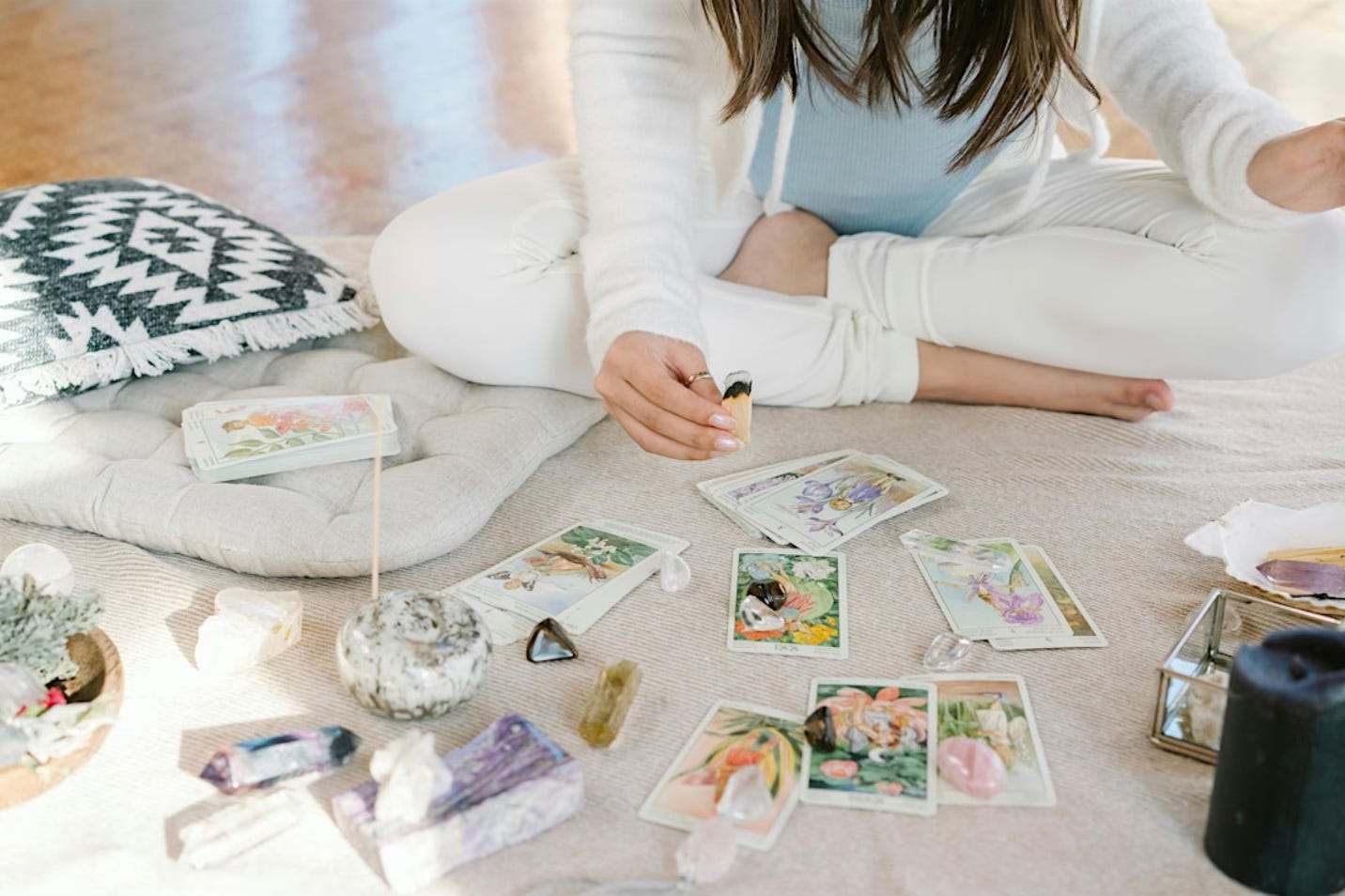
October 25th, 2025. 10am to 12pm. Tarot and oracle cards can inspire and guide our intuition and creativity. Whether you’re looking for a new way to journal your experiences and feelings, or just need a new approach to writing your next novel, there are SO many ways to use the cards to inspire your next project.

Join Quail Bell’s executive editor Gretchen Gales and learn new ways to generate writing of any genre with basic spreads and writing exercises you can use again and again. For writers and tarot/oracle lovers of any experience level!

Sign Up Here

Featured Poem: Fade Out

macro photography of orange and black bug perching on plant
Photo by Sue Thomas on Unsplash

I have such a hard time not focusing on the next poem I “should” be publishing or the next piece of writing I “should” be doing that I forget to appreciate old work. This poem will soon be republished in The Cognitive Review for their Grief Issue, so I wanted to reshare it from the original publisher. It is currently part of a collection of poems I haven’t sent out yet as a manuscript, but I hope to refine it soon and find a proper home for it. 

Anyhow, here’s “Fade Out” as it appears in Cathexis Northwest Press with my recording. 

Featured Blog Post: Books About OCD Written by Authors with OCD

white and brown cat print textile
Photo by Annie Spratt on Unsplash

I’m honestly not sure why now everyone has discovered this post (thank you, SEO, I guess?), but this is the first in a series I hope I complete sooner than later. I want to include anxiety, bipolar disorder, BPD, depression, and other lists people can access. Each list will include fiction, nonfiction, and poetry. Read the first on OCD below.

OCD Books

Teaching Tools: 5 Writing Prompts for Macbeth

Photo by Pixabay on Pexels.com

Macbeth is one of my favorite plays to teach. It’s short, but impactful. If you have an interest in teaching your students Macbeth, there are many ways to adapt your curriculum to fit their needs. Many adaptations of the play exist, including the classic text, graphic novels, movies, and more.

First thing’s first: you should have an arsenal of good, open-ended writing prompts for daily journals or short writing assignments. These are especially useful for classes who need immediate “real life” connections to the text. They’re also ready in a pinch if you have to find last-minute materials. I’ve assembled some basic, yet aesthetically-pleasing journal prompts to help guide written discussion. You may be surprised at what students come up with, so don’t forget to let them share their ideas out loud.

Caution: For prompts and other content relating to fortunes and spells, be conscious of your school community’s attitudes towards topics involving the occult. Some families are uncomfortable with anything related to these topics, so have an alternative assignment ready. For journals, tell them they can write on a different topic.

4 Tips for Teaching English Language Arts at Home

Whether you are having your child learn from home through Zoom or braving the world of homeschooling, fostering a love of reading and writing in them can be difficult. Without previous training in education or in English Language Arts instruction, many parents find themselves confused and frustrated. But don’t give up yet! I’ve put together 4 simple ways to help you teach English Language Arts from the comfort of your home along with sharable graphics to show your fellow homeschool friends.

Photo by Lum3n on Pexels.com

1. Have your student write for 10 minutes

This method is used by many ELA teachers in order to develop students’ writing. The only way to get better at writing is to write! Give them a choice of prompts, but don’t be afraid to challenge them with hard topics, too. Kids can surprise us with how insightful they can be when given the chance to express themselves.

That doesn’t mean it will go well the first time or even within a few weeks. Writing and being willing to write is a skill that needs to be developed over time. Let your student have days where they can write on any topic they would like and add pictures to illustrate their prompt.

Photo by Pixabay on Pexels.com

2. Have them read a book of their choice for 25 to 30 minutes.

Reading for 25 to 30 minutes a day can drastically improve reading comprehension. But the key is to let them read what interests them, whether it is a typical book or graphic novel. They can also read short sets of articles.

To find books for low to no cost, consider taking your child on a trip to a local thrift store, discount book store, or the local library. You can also download apps such as Overdrive or Libby, which both connect to your local library system, to check out e-books from the comfort of your home.

Photo by Faith Stocksey on Pexels.com

3. Use audiobooks and podcasts

Listening comprehension is equally as important as reading and writing comprehension and helps to engage reluctant learners. Like books, there are podcasts and audiobooks on a variety of topics your child can choose from and enjoy.

Subscription services such as Audible are great for audiobook options, but for cost-free options, consider downloading OverDrive, which in addition to regular e-books also have audiobooks to borrow for free to any device.

For podcasts, browse various streaming services or download podcast apps such as Castbox to find appropriate titles for your child. Some focus on a broad topic such as sports or true crime while others may be more focused and in a storytelling format.

Photo by Bruno Scramgnon on Pexels.com

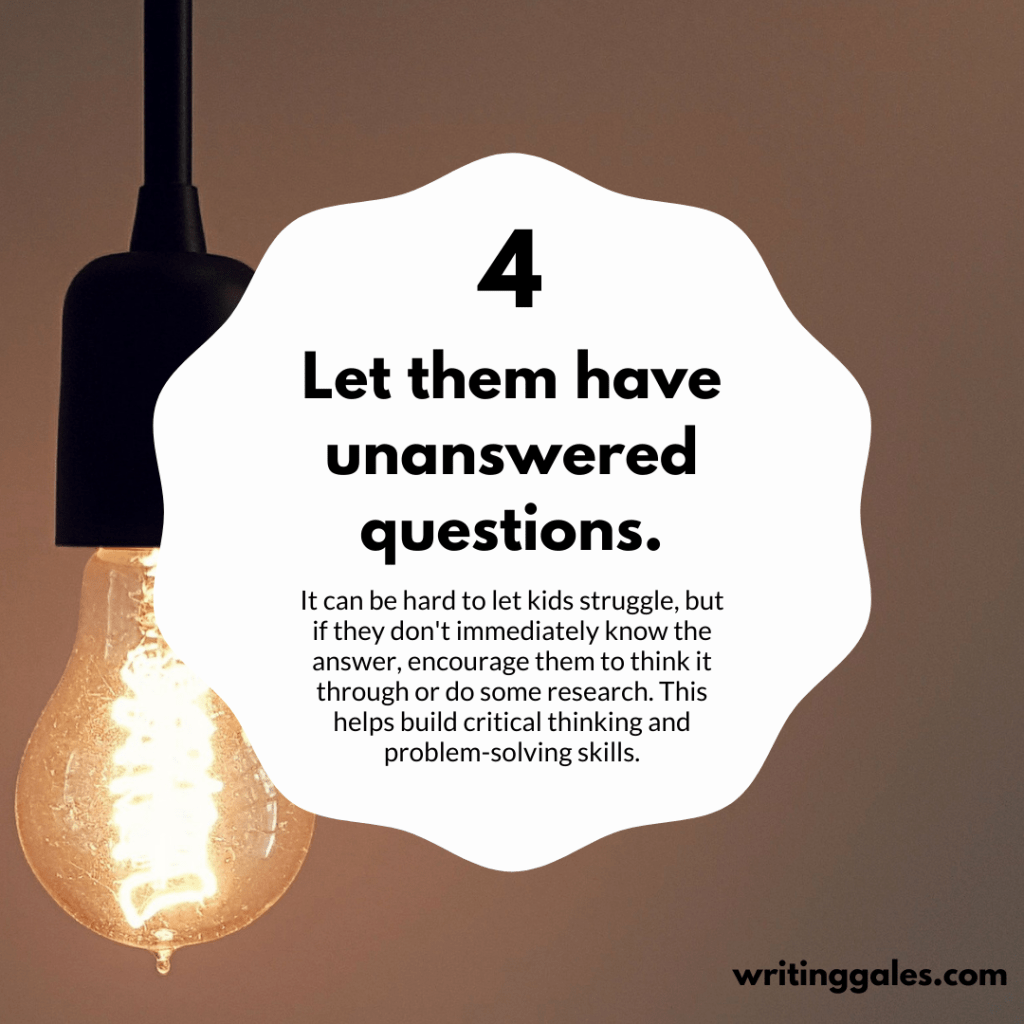
4. Let them have unanswered questions.

One of the biggest pitfalls that parents fall for is to never let a child struggle with an answer or not give them space to work through a problem by themselves. This can lead to a heavy level of dependence and more difficulties in their learning journey down the road.

This isn’t to say let them struggle all of the time, of course. It can be hard to let kids struggle, but if they don’t immediately know the answer, encourage them to think it through or do some research. This helps build critical thinking and problem-solving skills.

Want bite-sized, shareable tips for teaching English Language Arts? Check out the graphics I designed based off of this piece:

Still need guidance? Reach out to me for consultations or virtual tutoring services or consultations.